Home Improvement
Hidden Damage: What Water Really Does to Your Home Before You Notice It

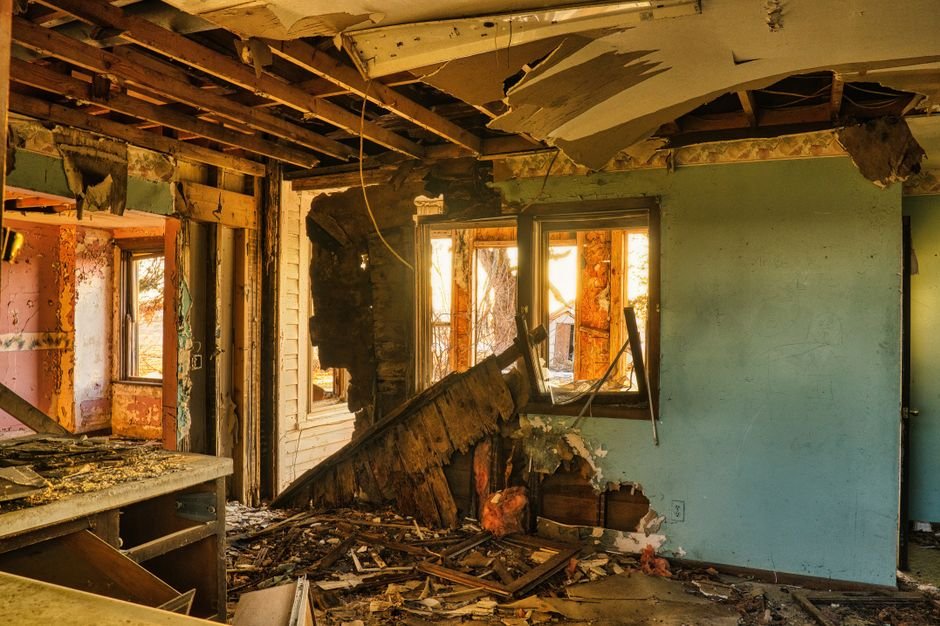
You usually notice water damage when something looks wrong: a stain spreading across the ceiling, baseboards swelling, or paint bubbling near a window. By that point, the real damage may have been building for days or weeks behind drywall, under flooring, or inside insulation. If you want to protect your home without guessing, it helps to understand how moisture moves, where it hides, and which early warning signs homeowners often miss.
Moisture Rarely Stays Where the Leak Starts:
Water almost never damages only the spot where it first appears. It follows gravity, seeps into porous materials, and travels along framing cavities, subfloors, and insulation. A small roof leak can stain one bedroom ceiling while dampening attic decking and nearby joists. A supply line leak under a sink can migrate into cabinet bases, adjacent drywall, and flooring in the next room.
That movement matters because visible evidence often appears after moisture has already spread. You may see one warped floor plank while the underlayment below has absorbed considerably more water. Moisture meters and thermal imaging can help identify affected areas that a surface inspection might miss.
Companies such as Yeti Restoration handle this type of assessment as part of water damage response. Identifying how far moisture has traveled helps determine which materials need drying, treatment, or replacement.
Drywall, Insulation, and Wood All React Differently:
Not every building material responds to water in the same way. Drywall acts like a sponge, especially along its lower edge, where it can absorb moisture from wet flooring. Insulation can trap water and slow drying, increasing the risk of mold growth inside wall cavities. Wood framing may initially look stable, but prolonged exposure can cause swelling, cupping, staining, and gradual deterioration.
Composite materials can be particularly vulnerable. MDF baseboards, particleboard vanities, and laminate-core cabinets often break down faster than solid wood once saturated. Their outer surfaces may appear acceptable while the interior expands and softens.
That difference can lead homeowners to underestimate replacement needs. A quick cleanup and a fan won’t necessarily solve the problem if moisture has penetrated several layers of material.
Hidden Humidity Can Create a Second Problem After the Leak:
Many homeowners focus on stopping the leak and removing standing water, then assume the emergency is over. However, elevated indoor humidity can create another problem. When wet materials remain inside a closed home, trapped moisture increases humidity and creates conditions that may encourage microbial growth.
Air movers alone may not finish the job. Dehumidification and moisture monitoring are also important when materials have absorbed substantial water. Bathrooms, laundry rooms, and finished basements can be especially vulnerable because they often retain moisture longer than open living spaces.
The Environmental Protection Agency recommends drying wet or damp materials within 24–48 hours when possible to help prevent mold growth. Its guide to mold, moisture, and your home explains why moisture control and prompt drying are essential after leaks and spills.
Your Nose Often Notices Trouble Before Your Eyes Do:
One early warning sign of concealed water damage is odor. A musty smell in a hallway closet, beneath a staircase, or in a room that otherwise looks normal can indicate damp materials behind walls or under flooring.
You should also pay attention to subtle texture changes. Paint may lose its tight bond and feel slightly raised. Door trim may separate at the joints. Vinyl flooring can develop minor ripples. These details may seem insignificant, but they can signal moisture problems beneath the surface.
In homes with central HVAC systems, hidden moisture can also affect indoor air quality and comfort, particularly when return-air pathways circulate air through occupied rooms.
Insurance and Documentation Can Shape the Entire Repair Process:
Water damage recovery involves more than drying the house. It can also require documentation, mitigation timelines, material inventories, and communication with your insurance carrier if the loss is covered.
You’ll want records showing where the water originated, which rooms were affected, what materials were removed, and how drying was verified. Take photographs before cleanup begins and keep receipts for emergency work and replacement materials.
The National Flood Insurance Program’s guide to documenting flood damage recommends photographing damaged areas and belongings before cleanup, retaining relevant receipts, and keeping samples of damaged materials when appropriate. Good documentation can make the recovery and claims process easier to manage.
Fast Action Matters Most in Kitchens, Bathrooms, and Basements:
Some areas of a home are particularly vulnerable to water damage. Kitchens combine plumbing, cabinetry, appliances, and layered flooring in a compact space. Bathrooms conceal moisture behind tile assemblies, around toilets, and under vanities. Basements may have limited airflow, making water intrusion harder to discover and dry.
In these spaces, even a short delay can turn a smaller mitigation job into a more extensive restoration project. If water reaches built-ins, wall cavities, or finished lower levels, think beyond surface cleanup. You’re dealing with an assembly of materials, not simply a puddle.
The important question isn’t whether the area looks dry today. It’s whether moisture levels have returned to an acceptable condition for the affected materials.
Prevention Depends on Routine Observation, Not Expensive Gadgets:
You don’t need a complicated smart-home setup to catch many water problems early. Consistent observation can make a significant difference. Check under sinks regularly, look around toilet bases for discoloration, inspect appliance hoses, and examine water heater connections before they fail.
It also helps to understand your home’s normal patterns. If one section of hardwood consistently feels cooler, a wall develops a musty smell, or a ceiling corner repeatedly shows paint damage, treat those changes as warning signs.
Homes often show subtle evidence of moisture problems before serious damage becomes visible. Paying attention can help prevent expensive flooring replacements, drywall removal, and concealed mold problems.
What a Smarter Response Looks Like When Water Gets In:
A better response starts with containment and verification, not panic. Shut off the water source if possible, move rugs and furniture away from affected areas, and photograph visible damage. Then consider four things: standing water, hidden moisture, indoor humidity, and material condition.
If water has entered multiple materials, involved contaminated sources, or reached walls and subflooring, professional mitigation may be necessary. The goal isn’t simply to dry what you can see. It’s to restore the affected areas to a clean, stable condition without allowing hidden moisture to cause further damage.
Water problems become expensive when they’re treated as cosmetic issues. They become more manageable when you recognize that the structure behind the visible surfaces matters just as much as the surfaces themselves.

Hidden Damage: What Water Really Does to Your Home Before You Notice It

Top 5 Web Development Companies Mississauga

What Makes Eau de Parfum a Distinctive Choice in Modern Fragrance

Beyond the State Line: A Bristol Vacation of Scenic Drives, Music, and Mountain Retreats

Why a Housekeeping App Is Becoming Essential for Modern Property Operations

10 After-Hours Icebreakers for SF Tech Teams (That Aren’t Happy Hours)

Why Fisher Island Continues to Attract Luxury Homebuyers Seeking an Exclusive Miami Lifestyle

Woody Harrelson Net Worth: Inside His Movies, Millions, and Business Deals

What Water Damage Really Changes in Your Home

Sarah Silverman Net Worth: Comedy Career, Salary, and Wealth

How to Make Kofta Kebabs at Home Without Overthinking It

Beyond the Interior: Home Improvements That Transform Your Entire Property

Building a Competitive Online Presence with Link Building Services and SEO Packages

Phoenix’s Construction Boom Is Changing How Workers, Drivers, and Businesses Share Urban Space

Spider Web Graphics in Fashion From Halloween to Streetwear

Cane Corso Kings: Everything You Need to Know About This Powerful Dog

Electric Mini Bikes vs. Gas Mini Bikes: What Changes After You Buy?

Building Coherent Multi-Object Scenes Through Seeworld Spatial Planning

Shay Mitchell Net Worth: Inside Her Acting and Business Wealth

How Employer Of Record Services Help Startups Expand Into New Markets With Lower Operational Risk
Hidden Damage: What Water Really Does to Your Home Before You Notice It
Top 5 Web Development Companies Mississauga
What Makes Eau de Parfum a Distinctive Choice in Modern Fragrance
Beyond the State Line: A Bristol Vacation of Scenic Drives, Music, and Mountain Retreats
Why a Housekeeping App Is Becoming Essential for Modern Property Operations
10 After-Hours Icebreakers for SF Tech Teams (That Aren’t Happy Hours)
Why Fisher Island Continues to Attract Luxury Homebuyers Seeking an Exclusive Miami Lifestyle
Woody Harrelson Net Worth: Inside His Movies, Millions, and Business Deals
What Water Damage Really Changes in Your Home