
Health
Aesthetic Laser Treatments: Discover Advanced Solutions for Healthier, Smoother, and More Radiant Skin

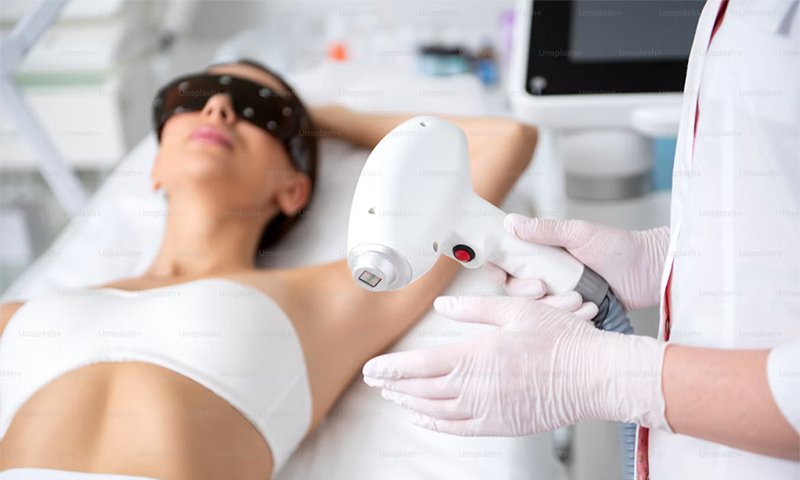
Healthy, smooth, and youthful-looking skin is an important part of personal appearance and confidence. However, factors such as natural aging, sun exposure, environmental pollution, hormonal changes, acne, and everyday stress can gradually affect skin texture, tone, and overall appearance. Fine lines, wrinkles, pigmentation, acne scars, unwanted hair, and uneven skin tone are some of the common concerns that people experience as their skin changes over time. Although skincare products and traditional beauty treatments can help improve certain conditions, some concerns may require more advanced approaches to achieve noticeable results. Modern dermatological technology has introduced several options that allow individuals to address specific skin concerns through carefully controlled procedures designed to improve the appearance and texture of the skin.
Among these options, aesthetic laser treatments have become increasingly popular because they use concentrated light energy to target selected skin structures and address different cosmetic concerns. Depending on the technology used, these procedures may help reduce unwanted pigmentation, improve the appearance of acne scars, soften fine lines, remove unwanted hair, and stimulate collagen production. Different laser devices are designed for different purposes, making professional assessment an important part of choosing an appropriate procedure. Understanding how these treatments work, what conditions they address, and what to expect before and after a session can help individuals make informed decisions about their skincare goals. With suitable technology, qualified professionals, and realistic expectations, laser-based procedures can become a valuable part of a personalized skin improvement plan.
Understanding Modern Laser-Based Skin Treatments
Laser technology has changed the way many cosmetic skin concerns are addressed by providing controlled methods of delivering light energy to selected areas. The word laser refers to a concentrated beam of light that can be adjusted according to its wavelength, intensity, and treatment purpose. In aesthetic dermatology, different laser systems are designed to interact with specific targets within the skin, including pigmentation, hair follicles, blood vessels, and water-containing tissue.
Some laser procedures work by targeting melanin, the natural pigment responsible for skin and hair color. Others are designed to affect blood vessels or create controlled changes in the skin’s surface and deeper layers. Certain technologies encourage the body’s natural collagen production, which can gradually improve the appearance of fine lines, skin texture, and selected types of scarring.
Not every laser works in the same way, and different technologies are not interchangeable. Ablative lasers remove controlled portions of the skin’s surface, while non-ablative systems generally heat deeper tissues without removing the outer skin layer. Fractional technologies treat selected microscopic areas while leaving surrounding tissue relatively unaffected, which can support the skin’s healing process.
The most suitable approach depends on the individual’s skin type, medical history, treatment goals, and the specific condition being addressed. A qualified dermatology professional should evaluate these factors before recommending any procedure.
Common Skin Concerns Addressed Through Laser Technology
People consider laser-based cosmetic procedures for several reasons, particularly when they want to improve visible skin concerns that have not responded sufficiently to conventional skincare products. One common concern is uneven pigmentation, which may appear as dark spots, sun damage, age-related discoloration, or certain types of melasma. Depending on the diagnosis, selected laser technologies may help reduce some forms of pigmentation by targeting pigment-producing structures or concentrated areas of melanin.
Acne scars are another concern that may benefit from carefully selected laser procedures. Some treatments improve surface irregularities, while others stimulate collagen remodeling beneath the skin. The appropriate approach depends on whether the scars are shallow, deep, rolling, or associated with changes in skin pigmentation. A professional assessment is important because different scar types respond differently to treatment.
Fine lines, wrinkles, enlarged pores, and uneven skin texture may also be addressed through certain laser and light-based technologies. These procedures can encourage controlled skin renewal or stimulate collagen production, potentially improving the overall appearance of treated areas.
Unwanted facial and body hair is another common reason people explore laser procedures. Hair-reduction systems target pigment within hair follicles, helping reduce future hair growth over multiple sessions. The effectiveness depends on factors such as hair color, skin tone, treatment technology, and hormonal influences.
Popular Types of Aesthetic Laser Procedures
Different laser technologies are designed to address specific cosmetic concerns, so understanding their characteristics can help individuals have more informed conversations with skincare professionals. Fractional lasers are commonly used for concerns involving uneven texture, selected acne scars, and visible signs of aging. They create controlled treatment zones within the skin, encouraging natural healing and collagen remodeling while leaving surrounding areas untreated.
CO2 lasers are ablative technologies that remove controlled layers of skin and are generally used for more intensive resurfacing procedures. They may be recommended for certain types of wrinkles, scars, and pronounced skin texture concerns. Because these procedures can involve significant recovery time and potential complications, they require careful patient selection and professional supervision.
Erbium-based lasers are another category of resurfacing technology. Depending on the device and settings, they can be used to address selected surface irregularities, fine lines, and skin texture concerns. Their treatment characteristics and recovery requirements differ from those of other resurfacing systems.
Nd:YAG lasers are used for several dermatological and cosmetic applications, including selected hair-reduction and vascular concerns. Certain devices are also designed to work with a broader range of skin tones when appropriately selected and operated by trained professionals.
Pulsed dye lasers are commonly used for selected vascular concerns, including certain visible blood vessels and redness-related conditions. Intense pulsed light, although not technically a laser, is another light-based technology frequently used for pigmentation, redness, and selected hair-reduction applications.
Choosing a procedure should always be based on the specific skin concern rather than the popularity of a particular device.
Laser Hair Reduction for Smooth and Manageable Skin
Unwanted body and facial hair can be frustrating for individuals who regularly rely on shaving, waxing, threading, or other temporary removal methods. These traditional techniques may require frequent maintenance and can sometimes contribute to irritation, ingrown hairs, or razor bumps. Laser hair reduction offers a longer-term approach by using concentrated light energy to target pigment within the hair follicle.
During treatment, the laser delivers energy that is absorbed by melanin in the hair. This energy produces controlled heat within the follicle, helping reduce its ability to produce future hair growth. Because hair grows in different stages, multiple treatment sessions are generally required to achieve meaningful reduction. The exact number varies according to the treatment area, hair characteristics, hormonal factors, and individual response.
Common treatment areas include the face, underarms, arms, legs, back, chest, and bikini area. Modern systems may include cooling technologies designed to improve comfort during the procedure, although some temporary warmth, redness, or sensitivity can still occur.
Laser hair reduction should be performed by a trained professional who can select suitable settings according to the individual’s skin tone and hair characteristics. It is also important to understand that the procedure generally offers long-term hair reduction rather than guaranteeing permanent removal of every hair.
Improving Skin Texture and Reducing Acne Scars
Acne can affect more than the surface appearance of the skin. In some individuals, inflammation associated with breakouts damages the deeper skin structures and leaves behind scars that remain visible after active acne has improved. These scars may appear as shallow depressions, deeper pits, uneven areas, or changes in skin texture.
Certain laser procedures can help improve the appearance of acne scars by encouraging collagen production and controlled skin renewal. Fractional resurfacing technologies are commonly considered for selected types of atrophic acne scars because they create microscopic treatment zones that stimulate the skin’s natural repair response.
Ablative resurfacing may provide more intensive improvement for certain concerns, but it generally involves greater recovery requirements and a higher potential for complications. Non-ablative approaches may offer more gradual changes with comparatively less downtime, although several sessions may be necessary.
It is important to understand that not every acne scar responds equally to laser treatment. Deep ice-pick scars, tethered scars, raised scars, and pigmentation left behind by acne may require different approaches. In some cases, dermatologists recommend combining treatments such as subcision, microneedling, chemical peels, or other procedures to address different aspects of scarring.
A personalized assessment helps establish realistic expectations and determine whether laser treatment is appropriate for the individual’s skin condition.
Reducing Pigmentation and Improving Uneven Skin Tone
Uneven pigmentation is one of the most common cosmetic skin concerns, particularly among people who experience frequent sun exposure or develop discoloration following inflammation. Dark spots, freckles, sun-related pigmentation, and post-inflammatory hyperpigmentation can affect the appearance of the face, hands, neck, and other exposed areas.
Selected laser technologies target pigment within the skin, allowing the body to gradually process and remove treated pigment particles. The results depend on the type of pigmentation, its depth, the selected wavelength, and the individual’s skin characteristics.
However, pigmentation treatment requires particular care because certain conditions can become worse following excessive heat or inflammation. Melasma, for example, is a complex pigmentation disorder influenced by sunlight, hormones, genetics, and other factors. Laser procedures may not be appropriate for every person with melasma and can sometimes trigger additional discoloration.
For this reason, a proper diagnosis should come before treatment. A dermatologist may recommend topical skincare, sun protection, or other procedures before considering laser technology. Daily sunscreen use is particularly important because ultraviolet exposure can contribute to recurring pigmentation and reduce the long-term benefits of cosmetic procedures.
Skin Rejuvenation and Collagen Stimulation
Collagen is a structural protein that helps maintain skin firmness, elasticity, and overall support. As people age, natural collagen production gradually decreases, contributing to fine lines, wrinkles, and changes in skin texture. Environmental factors, particularly ultraviolet radiation, can also accelerate visible signs of skin aging.
Certain non-ablative and fractional laser technologies are designed to stimulate collagen remodeling within the skin. These procedures deliver controlled energy to selected tissue layers, encouraging a natural repair response that may gradually improve firmness and texture.
Unlike treatments that produce immediate surface changes, collagen-stimulating procedures often deliver gradual results over several weeks or months. Some individuals may require multiple sessions depending on their skin condition and treatment goals.
Laser rejuvenation may be considered for concerns such as fine lines, mild skin laxity, uneven texture, and selected signs of sun damage. However, results vary, and laser procedures cannot completely reverse natural aging or replace surgical treatments when significant skin laxity is present.
A qualified professional can explain the expected degree of improvement and determine whether laser rejuvenation is appropriate based on skin quality, age-related changes, and personal preferences.
What to Expect During a Laser Treatment Session
Understanding the treatment process can help reduce uncertainty and make the experience more comfortable. Most professional laser procedures begin with a consultation during which the practitioner evaluates the skin, discusses cosmetic concerns, reviews relevant medical history, and determines whether the selected technology is suitable.
Before treatment, the skin is generally cleansed to remove makeup, skincare products, and surface impurities. Depending on the procedure, a topical numbing cream may be applied to improve comfort. Protective eyewear is essential for both the individual receiving treatment and the professional operating the equipment because direct laser exposure can damage the eyes.
During the session, the practitioner uses the selected device to deliver controlled energy to the treatment area. The sensation varies according to the laser type and individual sensitivity. Some people describe it as a brief snapping or warming sensation, while others may experience more noticeable discomfort during intensive resurfacing procedures.
Treatment duration depends on the size of the area and the type of procedure. Smaller areas may require relatively little time, while extensive facial or body treatments can take longer. After the session, the practitioner should provide specific aftercare instructions based on the technology used and the expected healing response.
Preparing Your Skin Before Laser Treatment
Proper preparation is an important part of achieving a safer and more predictable treatment experience. Before scheduling a procedure, individuals should discuss their medical history, existing skin conditions, medications, previous cosmetic treatments, and any history of abnormal scarring or pigmentation changes with the treating professional.
Recent tanning and excessive sun exposure can increase the risk of complications with certain laser procedures. Many practitioners recommend avoiding intentional tanning and following appropriate sun protection measures before treatment. Some skincare products, including certain exfoliating ingredients and prescription treatments, may need to be adjusted according to professional advice.
Individuals with active skin infections, open wounds, significant irritation, or certain inflammatory conditions may need to postpone treatment until the skin has recovered. Those with a history of cold sores should also inform their provider before procedures involving the facial area because resurfacing treatments may trigger an outbreak in susceptible individuals.
Preparation instructions vary according to the specific procedure, so patients should not stop prescribed medications or change their skincare routine without consulting an appropriate healthcare professional.
Post-Treatment Care and Skin Recovery
Aftercare is essential because the skin may become temporarily sensitive following laser procedures. The recovery process depends on the technology used, treatment intensity, and individual healing characteristics. Some non-ablative procedures may cause mild redness and warmth that settle relatively quickly, while ablative resurfacing can involve several days or longer of healing.
Gentle skincare is generally recommended during the recovery period. Patients may be advised to use mild cleansers, suitable moisturizers, and products specifically recommended by their practitioner. Scrubbing, aggressive exfoliation, and unnecessary friction should be avoided while the skin is recovering.
Sun protection is especially important after treatment because recently treated skin may be more vulnerable to ultraviolet exposure. A suitable broad-spectrum sunscreen and protective clothing can help reduce the risk of post-treatment pigmentation changes. Patients should also avoid picking, scratching, or removing peeling skin because doing so can interfere with healing and increase the risk of scarring.
Any unusual symptoms, including increasing pain, significant swelling, blistering, signs of infection, or unexpected changes in skin color, should be reported to the treating professional promptly. Following personalized aftercare instructions helps support recovery and protect the results.
Benefits of Choosing Professional Laser Skin Treatments
Professional laser procedures offer several potential advantages for individuals who want to address specific cosmetic concerns through targeted technology. One major benefit is the availability of different devices for different skin conditions. Instead of using a single approach for every concern, qualified practitioners can select technologies according to pigmentation, hair growth, scarring, vascular changes, and skin texture.
Another advantage is the ability to personalize treatment settings. Factors such as skin tone, treatment area, sensitivity, and previous responses can influence how a procedure should be performed. Appropriate customization helps reduce unnecessary exposure and supports safer treatment planning.
Depending on the selected procedure, potential benefits may include:
- Reduction in the appearance of selected pigmentation concerns.
- Improvement in certain types of acne scarring.
- Smoother-looking skin texture.
- Reduction of unwanted facial and body hair.
- Improvement in selected visible blood vessels and redness.
- Stimulation of collagen remodeling.
- Softening of certain fine lines and surface irregularities.
- More even-looking skin tone in appropriately selected individuals.
Although these benefits can be valuable, results are not guaranteed, and individual responses vary. A professional consultation is essential for determining whether the potential benefits outweigh the risks for a particular person.
Understanding the Risks and Possible Side Effects
Although modern laser systems offer advanced treatment options, they are not completely risk-free. Temporary redness, swelling, warmth, tenderness, and mild irritation are among the more common side effects. Depending on the procedure, the skin may also become dry, flaky, or temporarily sensitive.
More significant complications can occur, particularly when inappropriate equipment or treatment settings are used. These may include burns, blistering, infection, scarring, prolonged redness, and changes in skin pigmentation. People with darker skin tones may have a greater risk of certain pigment-related complications when unsuitable wavelengths or settings are selected.
Ablative resurfacing procedures generally involve greater recovery requirements and may carry higher risks than less intensive treatments. Some individuals may also experience limited improvement or require additional sessions to achieve their desired results.
Choosing an appropriately qualified medical professional, discussing potential complications, and following treatment and aftercare instructions are important steps in reducing avoidable risks. Patients should never feel pressured to proceed with a cosmetic procedure without understanding its limitations and possible outcomes.
How to Choose the Right Aesthetic Laser Treatment Provider
Selecting the right provider is just as important as selecting the treatment itself. Laser technology requires appropriate training, knowledge of skin anatomy, and an understanding of how different wavelengths interact with various skin types. An unsuitable procedure or incorrect treatment settings can result in unnecessary complications.
Before booking a session, individuals should verify the professional’s qualifications, relevant experience, and familiarity with the specific laser technology being offered. Medical oversight and appropriate clinical standards are particularly important for procedures involving deeper resurfacing, pigmentation disorders, and sensitive treatment areas.
A reliable provider should begin with a proper consultation rather than recommending the same treatment to everyone. They should explain how the selected procedure works, discuss realistic outcomes, identify potential risks, and provide clear aftercare instructions.
It is also worth asking about the equipment being used, expected recovery time, number of sessions, and possible alternatives. Reviewing genuine patient feedback and understanding the provider’s approach to managing complications can help individuals make more informed decisions.
The goal should always be to choose a treatment that is suitable for the individual’s skin rather than selecting a procedure simply because it is popular or heavily advertised.
Factors That Influence the Cost of Laser Procedures
The cost of cosmetic laser procedures varies according to several factors, including the technology used, size of the treatment area, number of sessions, practitioner experience, and complexity of the skin concern. A small treatment area may require less time and fewer resources than a full-face resurfacing procedure or extensive body treatment.
Different laser systems also involve different equipment, maintenance, and operating costs. More intensive procedures may require additional consultation time, preparation, medical supervision, and follow-up appointments. The total investment should therefore be considered in relation to the treatment plan rather than focusing only on the price of an individual session.
Before beginning treatment, individuals should request a clear explanation of the expected costs, number of recommended sessions, and any additional expenses related to aftercare or follow-up. It is important to avoid choosing a provider solely because they offer unusually low prices, as appropriate equipment, training, hygiene, and professional assessment are essential considerations.
A well-planned treatment approach should prioritize safety, suitability, and realistic outcomes rather than promising dramatic results at an unusually low cost.
Conclusion
Modern laser technology has created new opportunities for individuals who want to improve the appearance of their skin and address specific cosmetic concerns. From unwanted hair and pigmentation to acne scars, fine lines, uneven texture, and selected signs of aging, different procedures offer targeted approaches for improving various aspects of skin appearance. However, the success of any treatment depends on choosing the right technology, understanding individual skin characteristics, and following appropriate preparation and aftercare instructions.
Professional assessment should always come before selecting a procedure because different skin concerns require different approaches, and not every laser is suitable for every individual. Understanding possible side effects, recovery requirements, and realistic treatment outcomes also helps patients make informed decisions and avoid unnecessary risks.
Investing in professionally performed aesthetic laser treatments can be a valuable option for individuals seeking targeted skin improvements and a more personalized approach to cosmetic care. With qualified practitioners, suitable technology, and consistent skincare habits, laser procedures may help support smoother-looking, more even-toned, and healthier-looking skin over time.

How Newsrooms Can Use AI Drafting Without Losing Editorial Standards

A Practical Guide to Organizing Records for a U.S. Investor Immigration Case

How to Prepare a Used Boat for Sale: A Clear Checklist for Owners

Commercial Rooftop Solar Installation in Phoenix: A Complete Guide for Business Owners

11 Creative Ways to Decorate Your Home with Willow Storage Baskets

John Leguizamo Net Worth: His Wealth, Income, and Real Estate

Ethan Suplee Net Worth: How the Famous Actor Made His Millions

Juice WRLD Net Worth: His Music, Millions, and Lasting Fame

Will Tennyson Net Worth: How Much Does the Fitness Star Make?

Maitland Ward Net Worth: How She Built Her $4 Million Fortune

Buying Property Through Your Super? Run an SMSF Loan Calculator Before You Call a Broker

How to Make Kofta Kebabs at Home Without Overthinking It

NF Net Worth: How the Rapper Turned Pain Into Millions

Naomi Burton-Crews: The Heartwarming Story of Terry Crews’ Eldest Child

Michele Morrone Net Worth: His Salary, Earnings, and Rich Life

Who Is Ariane Bourdain? All About Anthony Bourdain’s Daughter

Oleksandra Zelenska: Who Is Volodymyr Zelensky’s Daughter?

How Interactive Step-by-Step Guides Make Tech Easier to Learn

Who Is Leonard Francois? Meet Naomi Osaka’s Father and First Tennis Coach

Hi3D: Accelerating Creative Prototyping with AI-Powered 3D Design
How Newsrooms Can Use AI Drafting Without Losing Editorial Standards
A Practical Guide to Organizing Records for a U.S. Investor Immigration Case
How to Prepare a Used Boat for Sale: A Clear Checklist for Owners
Commercial Rooftop Solar Installation in Phoenix: A Complete Guide for Business Owners
11 Creative Ways to Decorate Your Home with Willow Storage Baskets
John Leguizamo Net Worth: His Wealth, Income, and Real Estate
Ethan Suplee Net Worth: How the Famous Actor Made His Millions
Juice WRLD Net Worth: His Music, Millions, and Lasting Fame
Will Tennyson Net Worth: How Much Does the Fitness Star Make?






