
Blog
Beyond the Open Landscape: What Makes Rural Land Worth Building On

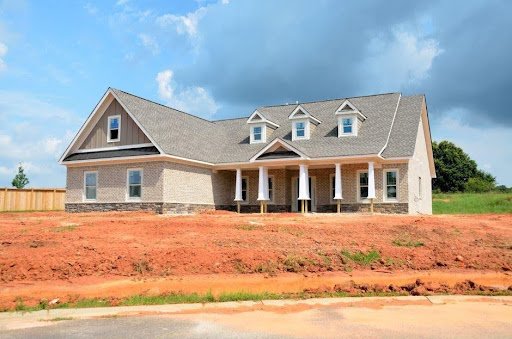
Building a home on rural land offers something that traditional neighborhoods often cannot: privacy, open space, and the freedom to create a property around your lifestyle. However, beautiful scenery does not always mean a parcel is ready for construction. In places like Maui, where agricultural zoning, varied terrain, and infrastructure availability can influence development, understanding a property’s limitations becomes especially important. Before purchasing land, prospective homeowners should evaluate construction feasibility, legal restrictions, utilities, and future expenses. Careful preparation can turn an appealing piece of countryside into a practical long-term investment.
Understanding Whether Rural Land Is Actually Buildable
A spacious parcel may seem like the perfect setting for a custom home, but acreage alone does not determine whether construction is possible.
Buildability depends on several factors, including zoning classifications, permitted structures, terrain, access, and infrastructure requirements. Some properties have restrictions that limit where buildings can be placed or how much land can be developed.
For buyers exploring rural property opportunities, Maui Real Estate describes rural Upcountry land options, where agricultural landscapes and varied property characteristics make individual assessments particularly important.
Before committing to a purchase, buyers should confirm permitted land uses with the relevant planning authorities.
Understanding these requirements early helps prevent situations where the intended home design conflicts with development restrictions.
Why Soil Conditions Deserve More Attention Than Scenery
The condition of the ground beneath a future home is just as important as the surrounding landscape.
Soil composition influences foundation design, drainage performance, excavation requirements, and the stability of structures. Certain soils expand when wet, while others may present challenges because of poor drainage or limited load-bearing capacity.
Sloping land can introduce additional complications, particularly when extensive grading or retaining structures become necessary.
The USDA’s Web Soil Survey provides useful information about soil characteristics and land-use considerations.
However, general soil maps cannot replace professional site-specific investigations when engineering decisions are required.
A geotechnical assessment may identify conditions that affect construction methods and projected expenses.
By understanding the terrain before construction begins, buyers can make more realistic decisions about building placement, foundation requirements, and the overall suitability of the property.
How Utility Access Shapes Your Building Plans
Rural properties frequently lack the infrastructure that homeowners take for granted in established residential areas.
Electricity, potable water, wastewater disposal, and internet connectivity may all require separate arrangements.
Extending electrical service can involve utility coordination, additional poles, or underground installations. Water availability may depend on public connections, private wells, or other approved sources.
Properties without sewer service commonly require an appropriate onsite wastewater system. Installation feasibility may depend on soil conditions, permits, and available space.
Internet access also deserves attention, especially for households that rely on remote employment or digital services.
These requirements can significantly influence construction planning and property ownership expenses.
Obtaining preliminary assessments from utility providers and qualified professionals helps buyers understand what infrastructure is available and what additional work may be necessary.
Looking Beyond the Property’s Immediate Surroundings
Privacy is a major attraction of countryside living, but distance can introduce practical challenges.
A property that feels peaceful during a short visit may become less convenient when daily responsibilities require frequent travel.
Road quality, access during severe weather, and distance from essential services all influence the experience of living in a rural setting.
Construction logistics matter as well. Building materials, equipment, and contractors must be able to reach the site safely.
Emergency access should also be considered, particularly where narrow roads, difficult terrain, or limited water availability could complicate response efforts.
Before purchasing land, it helps to visit at different times and evaluate conditions beyond the property boundaries.
A desirable rural location should provide an appropriate balance between seclusion, accessibility, and the practical requirements of everyday life.
Understanding Environmental Risks Before Construction Begins
Natural surroundings can be appealing, but they may also expose a property to environmental conditions that require additional planning.
Flooding, erosion, wildfire exposure, and unstable slopes can influence building design, insurance availability, and long-term maintenance.
A parcel located near a stream or drainage channel may experience seasonal runoff even when standing water is not visible during an inspection.
The FEMA Flood Map Service Center provides public information about mapped flood hazards and can help buyers begin evaluating potential exposure.
However, flood maps do not identify every possible source of water damage, making local drainage assessments important.
Vegetation management and emergency access may also deserve consideration in areas exposed to wildfire hazards.
Investigating these risks before purchasing can support safer construction decisions and reduce unexpected complications after the home is completed.
Why Zoning and Property Rights Need Careful Review
Owning rural land does not necessarily mean having unrestricted control over its use.
Local regulations may establish setback distances, building heights, minimum lot sizes, and limitations on agricultural or residential activities.
Recorded easements can also affect ownership rights. For example, a neighboring property may have legal permission to use a driveway or utility corridor across the land.
Conservation restrictions and private covenants may introduce additional limitations.
Buyers should review the title documents, available survey information, and relevant planning records rather than relying exclusively on property descriptions.
It is also important to confirm that legal access exists and that the parcel boundaries are accurately represented.
These details can affect building placement, future improvements, and the ability to transfer ownership.
Understanding the legal framework ensures that expectations align with the rights actually attached to the property.
Planning Construction Costs Beyond the Purchase Price
The advertised price of rural land represents only one part of the investment required to build a home.
Site preparation, infrastructure installation, permits, professional assessments, and construction access can introduce substantial additional expenses.
A relatively inexpensive parcel may become costly if it requires extensive excavation, a long utility connection, or complicated drainage improvements.
Financing can also differ from a conventional home purchase. Lenders may apply stricter requirements to undeveloped land, especially when infrastructure is limited.
Buyers planning construction should investigate available financing arrangements before purchasing.
A realistic project estimate should account for both expected construction expenses and potential complications discovered during site preparation.
Rather than making decisions based on the land’s purchase price alone, evaluating the complete development process provides a clearer understanding of the financial commitment.
Thinking About Long-Term Value Before Building Your Home
Rural land should be evaluated not only for its immediate appeal but also for its future usability and resale potential.
A property with dependable access, manageable terrain, and practical infrastructure may attract a wider range of future buyers than one with complicated development requirements.
Building decisions can influence value as well. Highly specialized layouts or structures that are difficult to maintain may appeal to a narrower market.
The surrounding area’s development patterns, environmental conditions, and access to services can also affect long-term demand.
Although no investment is guaranteed to appreciate, thoughtful planning can help preserve a property’s usefulness and marketability.
Ultimately, successful rural construction begins well before the foundation is poured. By understanding the land’s physical characteristics, legal limitations, and infrastructure needs, homeowners can make decisions that support both their lifestyle and the lasting quality of their investment.

The Business Fundamentals That Matter Most: Quiet Skills That Stand the Test of Time

Beyond First Impressions: Building Trust and Growth in Financial Advisory

How to Manage Exam Anxiety During the Leaving Cert

How To Build A Cash Reserve That Keeps Pace With Living Costs

Stop Guessing and Start Tracking with These Essential Email Analytics

IT Support for Small Business: What You Need to Know

PPC Advertising: What Every Small Business Should Know

Teeth Whitening: What Actually Works and Why

Understanding Depression: Types, Signs, and Treatment

How Animals Support Mental Health Recovery

How to Make Kofta Kebabs at Home Without Overthinking It

Ethan Klein Net Worth: YouTube H3 Podcast and His Wealth

Oleksandra Zelenska: Who Is Volodymyr Zelensky’s Daughter?

Patricia Azarcoya Schneider: Everything You Need to Know About Rob Schneider’s Wife

Who Is Angel Iris Murphy Brown? All About Mel B’s Child

Kai Dugan: Everything to Know About Jennifer Connelly’s Son

Beyond the Interior: Home Improvements That Transform Your Entire Property

Nicole Aniston Net Worth: Career, Income, and Wealth Explained

Reza Pahlavi Net Worth: How Rich Is Iran’s Former Crown Prince?

Rebecca Yarros Net Worth: Her Income and Success Story
The Business Fundamentals That Matter Most: Quiet Skills That Stand the Test of Time
Beyond First Impressions: Building Trust and Growth in Financial Advisory
How to Manage Exam Anxiety During the Leaving Cert
How To Build A Cash Reserve That Keeps Pace With Living Costs
Stop Guessing and Start Tracking with These Essential Email Analytics
IT Support for Small Business: What You Need to Know
PPC Advertising: What Every Small Business Should Know
Teeth Whitening: What Actually Works and Why
Understanding Depression: Types, Signs, and Treatment






