
Blog
What Most Homeowners Ignore Until a Plumbing Emergency Hits

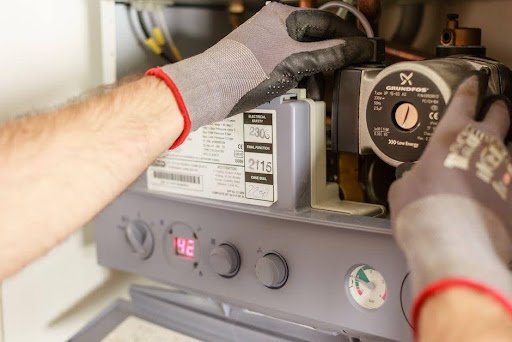
If you live in a place like Dunedin, Florida, your plumbing system deals with more than daily wear. Humidity, older coastal housing stock, hard water issues, and sudden storm pressure can all push small plumbing flaws into full emergencies. You usually don’t notice the warning signs until a pipe bursts, a drain backs up, or water starts spreading across the floor. Knowing what to watch for changes how you protect your home, your budget, and your time.
Plumbing emergencies rarely start as true surprises
Most plumbing emergencies build slowly, then turn dramatic at the worst moment. A pipe under a sink may leak for weeks before the cabinet base swells. A water heater may rumble long before it fails. A slow drain can signal a clog deep in the line, not just soap scum near the surface.
You save yourself serious repair costs when you learn to spot the early indicators. Water stains, pressure drops, sulfur smells, inconsistent hot water, and gurgling sounds all point to a system under strain. In older homes, especially those with aging galvanized piping or patched drain lines, these signals deserve quick attention.
What catches many homeowners off guard is the secondary damage. The plumbing problem is one expense. Flooring replacement, drywall removal, mold remediation, and temporary displacement can become the bigger one.
Your shut-off strategy matters more than most repair tools
When water starts moving where it shouldn’t, your first job is not diagnosing the issue. It’s stopping the spread. Many people know they have a main shut-off valve somewhere, but not everyone knows exactly where it is, whether it turns properly, or if another person in the home can find it fast.
You should know three key control points: the main water shut-off, the water heater shut-off, and fixture-level valves under sinks and behind toilets. Test them before an emergency happens. A seized valve during a burst pipe event turns a manageable repair into a severe loss.
It also helps to keep a practical emergency kit nearby. Include towels, a bucket, a flashlight, gloves, adjustable pliers, and a phone charger. Those aren’t glamorous items, but during a midnight leak they matter more than a toolbox full of specialty gear you don’t know how to use.
Coastal Florida homes face a different set of plumbing pressures
Dunedin homes often sit in an environment that adds stress to plumbing systems in subtle ways. Salt air can accelerate corrosion on exposed components. Seasonal rain events can overload drainage systems. Mature tree roots can intrude into sewer laterals, especially in older neighborhoods with established landscaping.
Older Florida homes also sometimes carry a mixed-material plumbing history. You may find copper repairs tied into older lines, replaced fixtures attached to original valves, or remodel work done in stages over decades. That patchwork setup creates hidden vulnerability because different materials age and expand differently.
If you’re dealing with an active overflow, burst line, or sewer backup, bringing in an emergency plumber in Dunedin is often less about convenience and more about limiting escalation. In a humid climate, water intrusion starts affecting walls, trim, and indoor air quality much faster than many homeowners expect.
The biggest mistake is treating every issue as a DIY challenge
There’s a difference between basic homeowner maintenance and emergency intervention. You can clear a simple sink stopper clog, replace a flapper, or shut off a running toilet. You probably should not open walls, dismantle supply connections under pressure, or attack a suspected sewer blockage with guesswork and rented equipment.
Drain chemicals are a common example of a fix that often makes things worse. They can damage older pipes, create dangerous splash risks, and complicate later repairs. The same goes for overtightening fittings after spotting a leak. A slow drip can quickly become a cracked valve or split connector.
The practical question is simple: will your next move reduce damage or increase it? If you’re unsure, contain the area, stop the water if possible, and document what you see. A clear photo trail helps during repairs and can support insurance discussions later.
Insurance may cover damage, but usually not neglect
Homeowners often assume any plumbing disaster automatically falls under insurance protection. The reality is more specific. Many policies may cover sudden and accidental water damage, but they often do not cover long-term neglect, deferred maintenance, or the failed plumbing component itself.
That distinction matters. If a supply line unexpectedly bursts and floods a room, resulting damage may be covered. If a slow leak under a vanity has been staining cabinetry for months, an adjuster may classify that as preventable deterioration. Documentation becomes important fast.
Take photos, save invoices, write down when the problem started, and note every mitigation step you took. If restoration crews dry out the area, keep those records too. You’re building a timeline. A clean timeline helps establish that you responded promptly rather than letting conditions worsen after the initial failure.
Preventive maintenance works best when it is boring and scheduled
The most effective plumbing prevention is not dramatic. It’s routine, slightly repetitive, and easy to postpone. That’s exactly why it protects homes so well. A seasonal checklist catches problems while they’re still cheap, localized, and easier to schedule around.
Check visible supply lines for corrosion, inspect caulking near wet zones, test shut-off valves, flush the water heater if recommended for your unit, and watch your water bill for unexplained changes. Even one unusually high bill can signal a concealed leak. Listen for phantom water movement when everything is turned off.
You should also pay attention after storms or freezes, rare as some cold snaps may be in Florida. Plumbing systems fail at transition points: after pressure changes, after heavy use, or after weather events. Small inspections right after those moments tend to reveal weaknesses before they become expensive emergencies.
A calm response protects your home better than a fast, chaotic one
The homeowners who handle plumbing emergencies best are not the ones with the most technical knowledge. They’re the ones who stay organized. Water off. Electricity avoided near wet areas. Belongings moved. Damage photographed. Help called. That sequence protects both the structure and your decision-making.
Panic tends to produce expensive mistakes: using appliances near standing water, ignoring a sewage-related health hazard, or delaying action while searching endless online forums for a perfect explanation. In real homes, speed matters more than perfect diagnosis.
You don’t need to become a plumbing expert to protect your property. You need a clear plan, a working understanding of your system, and enough awareness to catch the warning signs early. Most emergencies announce themselves in smaller ways first. If you take those signs seriously, you’ll face fewer disasters and recover faster when one does break through.

The Business Fundamentals That Matter Most: Quiet Skills That Stand the Test of Time

Beyond First Impressions: Building Trust and Growth in Financial Advisory

How to Manage Exam Anxiety During the Leaving Cert

How To Build A Cash Reserve That Keeps Pace With Living Costs

Stop Guessing and Start Tracking with These Essential Email Analytics

IT Support for Small Business: What You Need to Know

PPC Advertising: What Every Small Business Should Know

Teeth Whitening: What Actually Works and Why

Understanding Depression: Types, Signs, and Treatment

How Animals Support Mental Health Recovery

How to Make Kofta Kebabs at Home Without Overthinking It

Ethan Klein Net Worth: YouTube H3 Podcast and His Wealth

Oleksandra Zelenska: Who Is Volodymyr Zelensky’s Daughter?

Patricia Azarcoya Schneider: Everything You Need to Know About Rob Schneider’s Wife

Who Is Angel Iris Murphy Brown? All About Mel B’s Child

Kai Dugan: Everything to Know About Jennifer Connelly’s Son

Beyond the Interior: Home Improvements That Transform Your Entire Property

Nicole Aniston Net Worth: Career, Income, and Wealth Explained

Reza Pahlavi Net Worth: How Rich Is Iran’s Former Crown Prince?

Rebecca Yarros Net Worth: Her Income and Success Story
The Business Fundamentals That Matter Most: Quiet Skills That Stand the Test of Time
Beyond First Impressions: Building Trust and Growth in Financial Advisory
How to Manage Exam Anxiety During the Leaving Cert
How To Build A Cash Reserve That Keeps Pace With Living Costs
Stop Guessing and Start Tracking with These Essential Email Analytics
IT Support for Small Business: What You Need to Know
PPC Advertising: What Every Small Business Should Know
Teeth Whitening: What Actually Works and Why
Understanding Depression: Types, Signs, and Treatment






