Health
Commercial Pest Control: Effective Strategies for Maintaining a Clean, Safe, and Healthy Business Environment

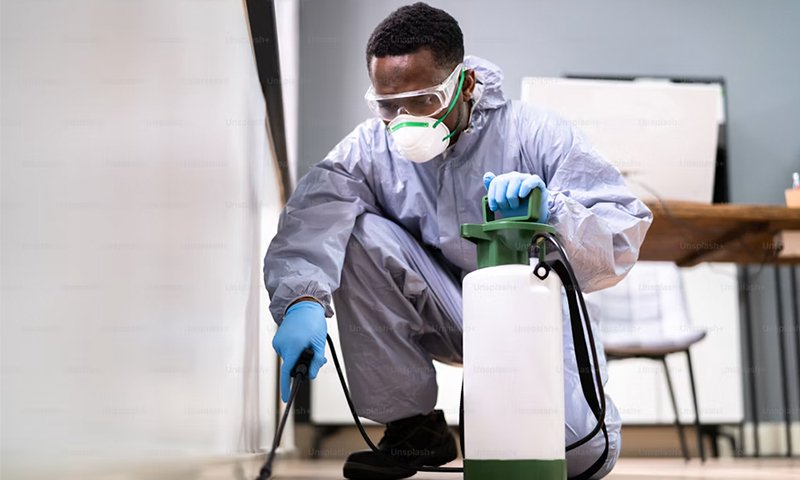
Maintaining a clean and hygienic business environment is essential for protecting employees, customers, visitors, and valuable company assets. Regardless of the industry, every commercial property requires proper maintenance and preventive care to remain safe, comfortable, and suitable for daily operations. One of the most common challenges businesses face is the presence of unwanted pests, including rodents, cockroaches, ants, flies, termites, and other insects. These pests can create serious hygiene concerns, damage buildings and equipment, contaminate products, and negatively affect a company’s professional reputation. Without an effective management strategy, even a minor pest problem can develop into a much larger issue that disrupts business activities and increases operating expenses. This is why commercial pest control is an important part of maintaining a professional and well-managed workplace.
Pest infestations can occur in almost any type of commercial facility, including restaurants, hotels, warehouses, offices, retail stores, healthcare facilities, educational institutions, and manufacturing plants. Each environment has different requirements, depending on its structure, activities, storage practices, and sanitation standards. For example, food businesses must pay particular attention to insects and rodents that may contaminate ingredients or preparation surfaces, while warehouses need to protect stored products and packaging materials from damage. Offices may experience problems involving ants, cockroaches, or rodents, particularly when food waste and moisture are not managed properly.
An effective pest management program focuses on more than eliminating visible insects or rodents. It involves identifying the source of an infestation, understanding pest behavior, correcting environmental conditions, and implementing preventive measures that reduce the possibility of future problems. By taking a proactive approach, businesses can maintain healthier working conditions, protect their property, and support uninterrupted operations throughout the year.
Understanding the Importance of Pest Management in Commercial Properties
Commercial properties often provide favorable conditions for pests because they contain food sources, water, shelter, and multiple entry points. Buildings with storage rooms, kitchens, basements, loading areas, waste disposal facilities, and hidden structural gaps can become attractive environments for different pest species. Even facilities that follow regular cleaning schedules may experience infestations if small entry points or underlying moisture problems remain unaddressed.
The importance of professional pest management becomes particularly clear when considering the potential consequences of an infestation. Rodents can chew electrical wiring, damage insulation, contaminate stored products, and create unsanitary conditions. Cockroaches can spread contaminants across surfaces, while flies may carry microorganisms from waste areas to food preparation spaces. Termites can gradually weaken wooden structures, furniture, and other building materials, potentially resulting in expensive repairs.
These problems can affect more than the physical condition of a property. Customers who notice pests inside a restaurant, hotel, retail store, or office may question the cleanliness and reliability of the business. Negative experiences can damage customer confidence and influence purchasing decisions. For businesses that operate under strict hygiene requirements, pest activity may also create compliance concerns and lead to operational interruptions.
A structured pest management plan helps businesses identify risks before they become serious. Regular inspections, sanitation improvements, building maintenance, and appropriate treatment methods work together to create an environment that is less attractive to unwanted pests. This preventive approach is generally more effective and manageable than waiting until an infestation becomes widespread.
Common Pests Found in Commercial Environments
Different commercial properties experience different types of pest activity, depending on their purpose, location, building design, and daily operations. Understanding the most common pests is an important step toward selecting appropriate preventive and treatment strategies.
Rodents, including rats and mice, are among the most concerning pests for commercial facilities. They can enter buildings through relatively small openings, move through concealed spaces, and establish nests near food sources or storage areas. Their ability to reproduce quickly makes early detection particularly important. Rodents may damage packaging, contaminate supplies, chew cables, and leave droppings in areas where people work or products are stored.
Cockroaches are another frequent problem, especially in commercial kitchens, restaurants, food storage facilities, and buildings with moisture problems. They often hide in dark, warm spaces and become active when surrounding conditions are quiet. Their presence can indicate sanitation weaknesses, hidden food debris, or moisture accumulation. Because cockroaches can spread through connected areas, treating visible insects without addressing their hiding places may not resolve the underlying infestation.
Ants commonly enter commercial buildings while searching for food and water. Although some species create relatively minor disturbances, others can become difficult to manage when colonies establish themselves inside walls, floors, or landscaped areas surrounding a property. Different ant species require different management approaches, making accurate identification useful before treatment begins.
Flies can create significant hygiene concerns in food-related businesses and waste management areas. They are attracted to organic material, uncovered food, standing water, and improperly maintained disposal facilities. Termites present a different type of risk because they can damage wooden structures and materials over time, often remaining unnoticed until visible signs of deterioration appear.
Other pests, such as bed bugs, mosquitoes, spiders, and stored-product insects, may also affect commercial properties. Identifying the particular pest species is essential because effective management depends on understanding its behavior, breeding habits, and preferred environment.
How Professional Pest Inspections Help Prevent Infestations
Regular inspections are one of the most valuable components of a successful pest management program. Rather than waiting for employees or customers to report visible pest activity, businesses should arrange routine assessments that identify potential problems before they become difficult to control. Professional inspections help determine whether pests are present, where they may be entering the building, and which environmental conditions are encouraging their activity.
During an inspection, technicians generally examine areas where pests are most likely to find food, moisture, and shelter. These may include kitchens, storage rooms, basements, waste collection points, utility spaces, ceiling voids, drainage areas, and loading entrances. They may also check behind equipment, beneath furniture, around plumbing connections, and near structural openings that could provide access to the building.
Evidence of pest activity can include droppings, damaged packaging, gnaw marks, nests, shed insect skins, unusual odors, and visible insects. However, some infestations are difficult to identify because pests remain hidden during normal business hours. Professional technicians use their knowledge of pest behavior to recognize warning signs that may be overlooked by untrained staff.
Inspection findings should be documented and used to develop an appropriate management strategy. This may include recommendations for sanitation improvements, structural repairs, monitoring devices, or targeted treatments. Businesses benefit from understanding not only whether pests are present but also why they are attracted to particular areas.
Regular inspections also create an opportunity to evaluate previous treatments and determine whether preventive measures are working. By monitoring pest activity over time, businesses can make informed adjustments and reduce the likelihood of recurring infestations.
Integrated Pest Management for Better Long-Term Results
Integrated Pest Management, commonly known as IPM, is a systematic approach that combines inspection, prevention, monitoring, and carefully selected treatment methods. Instead of depending entirely on chemical applications, this strategy focuses on understanding the conditions that allow pests to survive and reproduce. It aims to manage pest populations effectively while reducing unnecessary pesticide use and minimizing risks to people, animals, products, and the surrounding environment.
The first step in an IPM program is identifying the pest and understanding its behavior. Different species require different management techniques, so accurate identification helps prevent ineffective treatments. Once the pest has been identified, technicians assess the building to locate entry points, food sources, moisture problems, and possible nesting areas.
The next step involves reducing the conditions that attract pests. This may include improving waste management, storing food in sealed containers, repairing leaking pipes, cleaning hidden areas, and sealing structural openings. Physical measures such as door sweeps, window screens, protective barriers, and suitable storage arrangements can also help prevent pest access.
Monitoring is another essential part of the process. Traps, inspection records, and other suitable monitoring tools help identify changes in pest activity and determine whether additional action is necessary. Treatments are then selected according to the pest species, infestation level, and characteristics of the commercial environment.
A professional commercial pest control program should consider the entire property rather than focusing exclusively on areas where pests have already been observed. This approach addresses the underlying causes of infestation and supports more consistent long-term protection.
Maintaining Hygiene and Sanitation Standards
Proper sanitation is one of the strongest defenses against pest infestations in commercial buildings. Pests are attracted to environments that provide easy access to food, water, and shelter. When businesses maintain consistent cleaning procedures, they reduce the resources that pests need to survive and reproduce.
Food-related businesses should establish clear procedures for cleaning preparation surfaces, removing food debris, washing equipment, and storing ingredients securely. Food should not be left uncovered for extended periods, and spills should be cleaned promptly. Storage containers should remain properly sealed, while shelving should allow staff to inspect and clean surrounding areas easily.
Waste management is equally important. Garbage containers should have suitable lids, be emptied regularly, and remain clean both inside and outside. Waste collection areas should be maintained to prevent the accumulation of food residue, moisture, and organic material. If garbage is stored too close to building entrances or loading areas, it may attract rodents, flies, and other unwanted pests.
Commercial offices also require consistent sanitation practices. Break rooms, shared kitchens, vending areas, and storage spaces should be cleaned regularly. Employees should avoid leaving food waste in desks, drawers, and open containers. Cleaning schedules should include areas that are not immediately visible, such as beneath appliances, behind cabinets, and around plumbing fixtures.
A clean workplace does not guarantee that pests will never appear, but it significantly reduces the conditions that support infestations. Combining good sanitation with regular inspections and preventive maintenance creates a stronger overall management system.
Protecting Food Storage and Preparation Areas
Food storage and preparation facilities require particular attention because pest activity can directly affect product safety and hygiene. Restaurants, bakeries, supermarkets, catering businesses, and food processing facilities must maintain suitable conditions to protect ingredients, finished products, and preparation surfaces from contamination.
Food should be stored in appropriate containers that prevent pest access. Shelving systems should keep products elevated from the floor and provide sufficient space for cleaning and inspection. Stock should be organized so that older products are used according to established inventory procedures, while damaged or contaminated packaging is identified and removed promptly.Temperature control, ventilation, and moisture management also contribute to pest prevention. Certain insects are attracted to warm storage areas, while excessive moisture can encourage conditions favorable to cockroaches and other pests. Regularly checking refrigeration units, drains, plumbing connections, and ventilation systems helps identify potential issues.
Businesses should also establish procedures for inspecting incoming deliveries. Pests can sometimes enter facilities through packaging, pallets, containers, or transported goods. Checking shipments before they are moved into storage areas helps reduce the risk of introducing an infestation.
Any pest treatment in food-related facilities must be carefully planned. Products should be selected and applied according to their approved labels, relevant regulations, and the specific requirements of the facility. Food, utensils, packaging, and preparation surfaces must be protected as required. Professional technicians should coordinate treatment activities with management to minimize disruption and maintain appropriate hygiene standards.
Choosing Suitable Treatment Methods for Commercial Buildings
Selecting the right treatment method depends on the pest species, infestation severity, building layout, business activities, and applicable safety requirements. There is no single treatment that works equally well for every pest or commercial property. An effective strategy begins with inspection and identification, followed by the selection of appropriate control measures.
Physical methods can include traps, barriers, exclusion materials, and protective screens. These methods are useful for reducing pest access and monitoring activity without relying entirely on chemical products. For example, properly positioned rodent monitoring devices may help identify movement patterns, while door seals and mesh screens can reduce opportunities for insects and rodents to enter buildings.
Chemical treatments may be necessary when pest populations cannot be adequately managed through preventive measures alone. Professional technicians select products according to the target species and the environment being treated. Applications should follow manufacturer instructions and relevant safety requirements, including any restrictions involving occupied areas, food preparation spaces, and sensitive equipment.
Baiting systems can be useful for certain pest problems when they are selected and positioned correctly. Monitoring devices also help professionals evaluate whether treatment measures are producing the intended results. For some infestations, several methods may need to be combined over time.
Businesses should avoid using random products or applying excessive amounts of pesticides without professional guidance. Incorrect applications may expose employees and customers to unnecessary risks while failing to address the source of the infestation. A planned treatment strategy provides a more responsible and effective approach.
The Benefits of Scheduled Pest Prevention Services
Waiting until pests become visible is not always the best approach for commercial properties. Many infestations develop gradually, and businesses may not recognize the problem until damage or contamination has already occurred. Scheduled preventive services help identify early warning signs and maintain consistent protection.
Regular service visits allow technicians to inspect vulnerable areas, check monitoring devices, review previous findings, and recommend improvements. This ongoing attention is particularly useful for facilities with food storage, frequent deliveries, high customer traffic, or extensive storage spaces.
A preventive program also helps businesses establish a documented history of pest activity and treatment procedures. These records can be valuable when reviewing sanitation practices, preparing for inspections, and evaluating the effectiveness of management measures. Management teams can use this information to identify recurring problems and determine whether structural repairs or operational changes are necessary.
Another advantage is reduced disruption. Addressing minor pest activity early is generally easier than dealing with a widespread infestation that requires extensive treatment, temporary closures, or the disposal of affected products. Regular preventive services allow businesses to plan maintenance activities more effectively and maintain a cleaner working environment.
The frequency of professional visits should depend on the property’s specific risk factors rather than following the same schedule for every business. A restaurant or food processing facility may require more frequent monitoring than a small office with limited food storage and lower pest exposure.
Health, Safety, and Employee Protection
Pest management is closely connected to workplace health and safety. Rodents, cockroaches, flies, and other pests can contribute to unsanitary conditions, while certain insects may cause bites, allergic reactions, or discomfort. Their presence can also affect employee confidence and create an unpleasant working atmosphere.Businesses have a responsibility to maintain suitable working conditions and reduce avoidable hazards. This includes establishing clear procedures for reporting pest activity, maintaining clean facilities, and ensuring that treatment activities are performed responsibly.
Employees should understand the importance of basic preventive practices. These may include storing food properly, cleaning spills, disposing of waste correctly, keeping shared areas organized, and reporting signs of pest activity promptly. Staff training can help ensure that everyone understands their role in maintaining a hygienic environment.
Treatment safety is equally important. Before any pesticide application, technicians should consider the people who use the facility, the type of business being operated, and any sensitive areas that require additional precautions. Products must be used according to approved directions, and necessary access restrictions or re-entry instructions should be communicated clearly.A well-managed pest prevention program protects more than the physical building. It also supports employee well-being, customer confidence, and the overall safety culture of the organization.
Common Signs That a Business Needs Professional Pest Services
Recognizing the early signs of pest activity can help businesses take action before an infestation becomes more difficult to manage. Although some warning signs are obvious, others may appear in areas that are rarely inspected during normal operations.Droppings near storage rooms, kitchens, cupboards, or waste areas may indicate rodent or insect activity. Gnaw marks on packaging, cables, furniture, and wooden surfaces can suggest that rodents are moving through the property. Damaged food containers or unexplained product losses may also require further investigation.
Unusual odors can sometimes indicate hidden nesting or pest activity, particularly in enclosed areas such as ceiling spaces, wall cavities, and storage rooms. Small insects appearing repeatedly around drains, sinks, food preparation surfaces, or lighting fixtures may suggest a breeding source nearby.
Other warning signs include damaged wooden materials, discarded insect skins, nests, unusual scratching sounds, and recurring sightings of ants or cockroaches. A single pest sighting does not always mean that a major infestation exists, but repeated activity should never be ignored.When these signs appear, businesses should arrange an inspection to identify the cause and determine the appropriate response. Early action can prevent minor problems from developing into expensive and disruptive situations.
How to Select a Reliable Pest Management Provider
Choosing the right pest management provider is an important decision for any business. Commercial facilities have different requirements from residential properties, so companies should look for professionals who understand commercial building operations, hygiene standards, and workplace safety considerations.Experience is one of the first factors to evaluate. A provider familiar with the business’s industry is more likely to understand its specific risks and operational requirements. For example, food processing facilities may require a different approach from warehouses, offices, or healthcare environments.
Licensing, training, insurance, and regulatory compliance should also be considered where applicable. Businesses should verify that the provider is qualified to perform the proposed services and uses approved treatment products. Clear documentation and transparent communication are additional indicators of a professional service.A reliable provider should begin with an inspection rather than recommending the same treatment for every property. The proposed management plan should explain the identified pest risks, recommended prevention measures, treatment methods, monitoring arrangements, and any safety precautions.
It is also helpful to discuss service frequency, reporting procedures, emergency response options, and follow-up inspections. Businesses should understand what is included in the agreement and how the provider evaluates treatment effectiveness.
A good working relationship between facility management and pest professionals supports better results because both parties can contribute to identifying risks and maintaining preventive practices.
Long-Term Strategies for Maintaining a Pest-Free Workplace
Maintaining a workplace with minimal pest activity requires continuous attention rather than occasional treatment. Buildings change over time, new materials and deliveries enter the property, and seasonal conditions may influence pest behavior. For this reason, businesses should review their preventive measures regularly and update them whenever operational conditions change.
Structural maintenance should be part of the overall strategy. Cracks in walls, gaps around pipes, damaged window screens, poorly sealed doors, and openings near utility connections can provide access points for pests. Repairing these issues helps reduce opportunities for rodents and insects to enter the building.
Landscaping and exterior maintenance also deserve attention. Overgrown vegetation, accumulated leaves, standing water, and poorly managed outdoor waste areas can create favorable conditions for pests near entrances and building foundations. Keeping the surrounding property clean and maintaining suitable drainage can reduce these risks.
Businesses should establish written cleaning procedures, assign responsibility for waste management, and provide employees with clear reporting instructions. Regular inspections should cover both visible and concealed areas, with findings recorded for future reference.
An effective commercial pest control strategy brings these measures together into a coordinated program that focuses on prevention, monitoring, and appropriate treatment. When businesses maintain consistent standards and work with qualified professionals, they can reduce pest-related risks while protecting their employees, customers, products, and facilities.
Conclusion
Pest infestations can create serious challenges for commercial properties by affecting hygiene, damaging structures, contaminating products, and disrupting daily business operations. From rodents and cockroaches to flies, ants, and termites, different pests present different risks that require careful identification and appropriate management strategies. Ignoring early warning signs can allow minor problems to develop into expensive situations that affect both business performance and professional reputation.
A successful prevention program should combine regular inspections, proper sanitation, structural maintenance, employee awareness, monitoring systems, and suitable treatment methods. Integrated Pest Management provides a practical framework for addressing the underlying conditions that attract pests while reducing unnecessary chemical applications. Businesses should also prioritize treatment safety, maintain accurate service records, and arrange preventive inspections according to their individual operational requirements.
Working with experienced professionals makes it easier to identify pest activity, select appropriate solutions, and maintain consistent hygiene standards. Rather than viewing pest management as an occasional expense, businesses should consider it an essential part of property maintenance and operational planning. With the right preventive measures and professional support, commercial facilities can maintain cleaner, safer, and more welcoming environments while protecting their long-term investments and maintaining customer confidence.

How to Write an eBook to Generate Leads and Build Authority

Phoenix’s Holiday Travel Season Begins: What Drivers Should Know Before Thanksgiving and Christmas Road Trips

Buying This Shop as a Gift, With No Size Chart to Lean On

Ten to Fifteen Days, or Five: What Each Shipping Tier Buys

How Newsrooms Can Use AI Drafting Without Losing Editorial Standards

A Practical Guide to Organizing Records for a U.S. Investor Immigration Case

How to Prepare a Used Boat for Sale: A Clear Checklist for Owners

Commercial Rooftop Solar Installation in Phoenix: A Complete Guide for Business Owners

11 Creative Ways to Decorate Your Home with Willow Storage Baskets

Sammy Hagar Net Worth: Cabo Wabo, Cars, Homes, and His Huge Fortune

Buying Property Through Your Super? Run an SMSF Loan Calculator Before You Call a Broker

How to Make Kofta Kebabs at Home Without Overthinking It

NF Net Worth: How the Rapper Turned Pain Into Millions

Michele Morrone Net Worth: His Salary, Earnings, and Rich Life

Who Is Ariane Bourdain? All About Anthony Bourdain’s Daughter

Oleksandra Zelenska: Who Is Volodymyr Zelensky’s Daughter?

Who Is Leonard Francois? Meet Naomi Osaka’s Father and First Tennis Coach

Ethan Klein Net Worth: YouTube H3 Podcast and His Wealth

Hi3D: Accelerating Creative Prototyping with AI-Powered 3D Design

Parke Official and Mixed Emotions: Everyday Style Meets Modern Streetwear
How to Write an eBook to Generate Leads and Build Authority
Phoenix’s Holiday Travel Season Begins: What Drivers Should Know Before Thanksgiving and Christmas Road Trips
Buying This Shop as a Gift, With No Size Chart to Lean On
Ten to Fifteen Days, or Five: What Each Shipping Tier Buys
How Newsrooms Can Use AI Drafting Without Losing Editorial Standards
A Practical Guide to Organizing Records for a U.S. Investor Immigration Case
How to Prepare a Used Boat for Sale: A Clear Checklist for Owners
Commercial Rooftop Solar Installation in Phoenix: A Complete Guide for Business Owners
11 Creative Ways to Decorate Your Home with Willow Storage Baskets