
Blog
Decreto Supremo 160: Everything You Need to Know in 2026

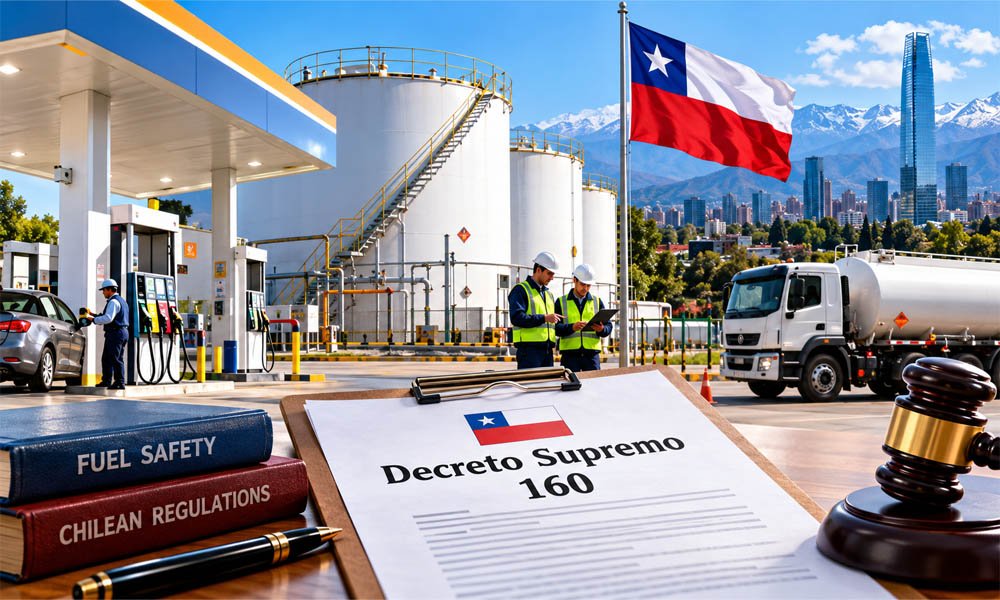
Have you ever wondered how fuel stays safe at gas stations? Fuel helps cars, trucks, and many machines run each day. But it can also be dangerous. One small leak can cause a fire or harm the land.
That is why Chile has a rule called Decreto Supremo 160. This rule helps businesses store, move, and handle liquid fuel safely. It sets clear steps that can help protect workers, families, and nearby places.
In this article, we will explain Decreto Supremo 160 in very easy words. You will learn what it means, when it began, and why it matters. We will also look at its main rules in 2026.
What Is Decreto Supremo 160?
Decreto Supremo 160 is a safety rule made by the government of Chile. It deals with liquid fuels such as gasoline and diesel. It tells businesses how to handle these fuels safely and lower the risk of accidents.
The name may sound hard, but its meaning is simple. “Decreto Supremo” means a rule issued by the government. The number 160 helps people find this rule among many other laws and rules in Chile.
The main goal of Decreto Supremo 160 is to keep fuel operations safe. It covers areas such as fuel storage, transport, and supply. It does not control Chile’s food warning labels, which follow different laws.
History of Decreto Supremo 160 in Chile
Decreto Supremo 160 was issued on May 26, 2008. It was published on July 7, 2009. Chile made this rule to set clear safety standards for businesses that work with liquid fuels.
Before this rule, Chile already had fuel safety laws. However, the government needed a more complete set of rules. These rules would help businesses understand their duties and make fuel operations safer.
Over time, Decreto Supremo 160 has been updated. Some changes help the rules work with new needs and safety practices. In 2026, businesses must check the current version to understand which rules apply to them.
Why Decreto Supremo 160 Is Important
Think about a gas station near your home. Cars come and go all day. Large tanks hold fuel below the ground. If a tank leaks, the fuel could harm people, water, and nearby land.
Decreto Supremo 160 helps lower these risks. It sets safety rules for fuel equipment and daily work. These rules help businesses find problems early and take action before a small issue becomes a serious accident.
The rule also helps protect workers. People who handle fuel need safe tools and clear work steps. When businesses follow these rules, they can help keep workers and nearby communities safe from harm.
Main Safety Rules of Decreto Supremo 160
One important part of Decreto Supremo 160 is safe equipment. Fuel tanks, pipes, and other parts must meet the rules that apply to them. Good equipment helps lower the chance of leaks, fires, and other problems.
Another key part is proper care. Businesses must check and maintain their fuel systems as required. A damaged pipe or broken part should not be ignored. Finding these problems early can help stop larger accidents.
Safety also depends on people. Workers need to understand the risks of handling fuel. They should know the right work steps and what to do during an emergency. Clear plans can help people act safely.
Decreto Supremo 160 Fuel Storage Rules
Fuel storage is one of the main areas covered by Decreto Supremo 160. Large fuel tanks may hold thousands of liters of gasoline or diesel. These tanks must be suitable for their use and meet safety rules.
Imagine a fuel tank with a small crack. At first, the leak may be hard to see. But over time, fuel can spread into the ground. This is why tank checks and proper care matter so much.
Storage sites also need ways to reduce risks. The exact rules depend on the site and equipment. They may cover tank design, safe distances, spill control, and fire safety. Each part helps keep stored fuel safe.
Decreto Supremo 160 Transport Rules
Fuel does not stay in one place. It must travel from storage sites to gas stations and other businesses. Large trucks often carry this fuel. Moving it safely is another important part of Decreto Supremo 160.
Think about a truck carrying gasoline on a busy road. If something goes wrong, a spill could put drivers and nearby people at risk. Safe tanks, proper equipment, and careful work help reduce this danger.
Fuel transport workers must follow the safety rules that apply to their jobs. They also need to know how to respond to problems. Good planning and safe handling help fuel reach its destination with fewer risks.
Who Must Follow Decreto Supremo 160?
Decreto Supremo 160 applies to many businesses in Chile that work with liquid fuel. This includes fuel stations, storage sites, and transport companies. Both large and small businesses must follow the safety rules that apply to their work.
Business owners have an important job. They must make sure their fuel systems are safe and meet the rules. Managers also need to check equipment and help workers understand how to handle fuel without putting people at risk.
Workers play a big part too. They must follow safe work steps and report problems. For example, if someone finds a leaking pipe, they should report it at once. Quick action can help stop a serious accident.
How Decreto Supremo 160 Safety Checks Work
Safety checks are an important part of Decreto Supremo 160. They help find problems before someone gets hurt. In Chile, the Superintendence of Electricity and Fuels, also called SEC, oversees many fuel safety rules and checks.
During a visit, inspectors may look at fuel tanks, pipes, and other equipment. They may also check safety records and work plans. Their goal is to see whether the business follows the rules that apply to its fuel operations.
Imagine an inspector finding a damaged fuel pipe. The business may need to repair it before it causes a leak. Some equipment also needs tests or checks at set times. These steps help keep fuel sites safe.
What Happens If Businesses Break Decreto Supremo 160?
Breaking Decreto Supremo 160 can lead to serious problems. A business that ignores safety rules may put workers and nearby people in danger. Chilean authorities can take action when a company fails to meet its legal duties.
The result depends on the problem and the law that applies. A business may face a fine or an order to fix unsafe equipment. In serious cases, authorities may stop unsafe work until the problem is addressed.
For example, imagine a fuel station that keeps using a badly damaged tank. If the problem is found, the owner may have to take action. Following the rules early can help avoid harm and extra costs.
Decreto Supremo 160 and Environmental Safety
Fuel is useful, but it can harm nature when it leaks. Gasoline and diesel can spread into soil and water. This can hurt plants, animals, and nearby places. Cleaning up a large spill can also take time.
Decreto Supremo 160 helps lower these risks through safety rules for fuel systems. Safe storage and careful handling can help stop leaks. Good equipment and regular care also make it easier to find problems before they grow.
Think about a fuel truck spilling diesel near a river. The fuel could reach the water if it is not controlled. Workers need to follow safe steps during such events. Fast action can help limit the damage.
Decreto Supremo 160 vs Food Labeling Laws
Some people think Decreto Supremo 160 also controls food warning labels in Chile. This is a common mix-up. The rule we are discussing covers liquid fuel safety. Chile has separate laws for food labels and public health.
Chile’s food warning label system comes from Law 20.606 and related food rules. Many packaged foods must show black warning signs when they meet certain conditions for high sugar, salt, saturated fat, or calories.
These two sets of rules have different jobs. Fuel safety rules help prevent fires, leaks, and accidents. Food labeling rules help people understand what they eat. Both protect the public, but they are not the same law.
Why Decreto Supremo 160 Still Matters in 2026
In 2026, fuel remains important for daily life in Chile. Cars, trucks, and many businesses depend on it. This means safe storage, transport, and handling are still needed. Decreto Supremo 160 continues to play a key role.
New tools can also help businesses improve safety. Some fuel sites use modern systems to watch fuel levels and find leaks. These tools can help workers spot problems early, but they do not replace proper care and training.
The rules can change over time. That is why business owners should check the latest legal text and SEC guidance. Knowing the current requirements helps them plan safe work and understand their duties in 2026.
Conclusion
Decreto Supremo 160 is an important safety rule in Chile. It helps guide how liquid fuels are stored, moved, and handled. Its main goal is to reduce risks and help protect workers, nearby communities, and the environment.
We have learned why safe tanks, proper equipment, and regular checks matter. We have also seen how businesses and workers share safety duties. Each small step can help prevent a leak, fire, or other dangerous event.
The message is simple. Fuel makes daily life easier, but it must be handled with care. By following Decreto Supremo 160, businesses can help create safer places for everyone. Good safety habits today can prevent serious problems tomorrow.
(FAQs)
What is Decreto Supremo 160 in Chile?
Decreto Supremo 160 is a safety rule in Chile. It controls how liquid fuels like gasoline and diesel are stored, moved, and handled. Its main goal is to help prevent fires, fuel leaks, and accidents. It also helps protect workers, nearby homes, and the environment.
When was Decreto Supremo 160 created?
Decreto Supremo 160 was issued on May 26, 2008, and published on July 7, 2009. The Chilean government created it to set clear safety rules for liquid fuel operations. The rule has changed over time and remains important for fuel businesses in 2026.
Is Decreto Supremo 160 still active in 2026?
Yes, Decreto Supremo 160 remains an important part of Chile’s fuel safety rules in 2026. Businesses must follow the current requirements that apply to their work. The rules help keep fuel tanks, transport systems, and storage sites safe. Companies should check for new updates.
What types of fuel does Decreto Supremo 160 cover?
Decreto Supremo 160 covers liquid fuels such as gasoline, diesel, and other fuels included in its rules. It deals with their storage, transport, and supply. The exact requirements depend on the type of fuel and activity. It is not the main rule for household gas cylinders.
Who must follow Decreto Supremo 160?
Fuel station owners, storage companies, transport operators, and other businesses covered by the rule must follow Decreto Supremo 160. Managers and workers also have safety duties. The rules may differ based on the business and its equipment. Even small fuel operations may have legal duties.
What are the main safety rules under Decreto Supremo 160?
The main rules focus on safe fuel tanks, proper equipment, leak prevention, and fire safety. They also cover safe work practices and checks where required. Businesses must keep their fuel systems in good condition. These steps help lower the risk of accidents and harm.
Does Decreto Supremo 160 apply to gas stations?
Yes, Decreto Supremo 160 applies to liquid fuel stations in Chile. These stations must follow safety rules for fuel storage, equipment, and daily operations. Owners must also meet the checks and other duties that apply to their sites. This helps protect workers, drivers, and nearby people.
What happens if a company breaks Decreto Supremo 160?
A company that breaks Decreto Supremo 160 may face legal action. This can include fines or orders to fix unsafe equipment. Serious problems may lead to limits on operations under the laws that apply. The action depends on the type of problem and how serious it is.
Does Decreto Supremo 160 control food warning labels?
No, Decreto Supremo 160 does not control Chile’s food warning labels. It deals with liquid fuel safety. Food warning labels follow separate rules, including Law 20.606. These labels warn people when certain foods are high in sugar, sodium, saturated fat, or calories.
Is Decreto Supremo 160 the same as the US DS-160 visa form?
No, they are completely different. Decreto Supremo 160 is a Chilean rule about liquid fuel safety. The US DS-160 is an online form used to apply for many types of temporary US visas. Their names look similar, but they have different purposes and belong to different countries.
Continue reading: Inter Miami vs Tigres UANL Timeline: Every Match and Key Moment

The Importance of Music Apps in Austin, TX Youngsters

Letflix: Everything You Need to Know About Free Movies and TV Shows in 2026

Delta Fitness Authority: Everything You Need to Know in 2026

Yalla Choy: What It Is, Taste, Benefits, Uses, and More

Hitaar: What It Means, How It Works, and Why People Search for It

Monika Leveski: Who Is She? The Truth Behind the Mysterious Name

Edivawer: A New Way to Learn in the Digital World

Toastul: From Simple Bread to a Tasty Meal Everyone Can Make

Mabinogi Lazy Patch: What It Is and How It Works

Decreto Supremo 160: Everything You Need to Know in 2026

Dick Distin: What Happened to Vivian Liberto’s Second Husband?

Ralph Bernstein: Everything to Know About Yasmeen Ghauri’s Husband

Arbello Barroso: Where Is Luciana Barroso’s Ex-Husband Now?

Suzanne Bukinik: Everything to Know About Brad Falchuk’s Ex-Wife

Who Is Astrid Menks? All About Warren Buffett’s Wife

Maria Jesus Pariente: What We Know About Enzo Maresca’s Wife

Maureen Bates: What Happened to Barry Gibb’s First Wife?

Who Is April Dubois? All About Wesley Snipes’ Ex-Wife

Joe Cappuccio: Where Is Eva LaRue’s Ex-Husband Now?

Berkin Gökbudak: What to Know About Aslı Enver’s Husband
The Importance of Music Apps in Austin, TX Youngsters
Letflix: Everything You Need to Know About Free Movies and TV Shows in 2026
Delta Fitness Authority: Everything You Need to Know in 2026
Yalla Choy: What It Is, Taste, Benefits, Uses, and More
Hitaar: What It Means, How It Works, and Why People Search for It
Monika Leveski: Who Is She? The Truth Behind the Mysterious Name
Edivawer: A New Way to Learn in the Digital World
Toastul: From Simple Bread to a Tasty Meal Everyone Can Make
Mabinogi Lazy Patch: What It Is and How It Works
Decreto Supremo 160: Everything You Need to Know in 2026
-

 News1 month ago
Who Is Gigi Yallouz? Meet Owain Yeoman’s Wife and Jewelry Designer
-

 News1 month ago
Rajesh Nihalani: What We Know About Archie Panjabi’s Husband
-

 News2 months ago
Stephan Farmiga: Everything to Know About Vera Farmiga’s Brother
-

 News2 months ago
Tara Nadella: What We Know About Satya Nadella’s Daughter