
Guide
EV Charger Installation: Convenient, Safe, and Efficient Electric Vehicle Charging

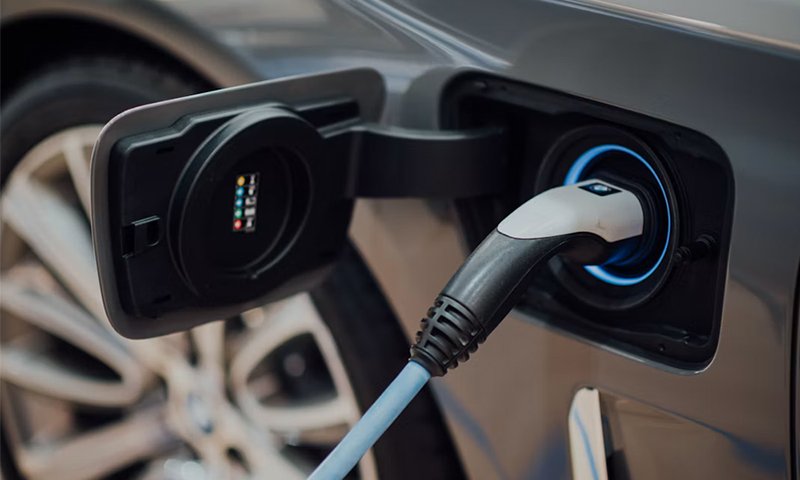
Electric vehicles are becoming an increasingly popular choice for drivers who want a more convenient, energy-efficient, and environmentally responsible way to travel. As more people switch from traditional petrol and diesel vehicles to electric alternatives, the need for dependable charging solutions continues to grow. Unlike conventional vehicles that can be refueled at petrol stations within a few minutes, electric vehicles require access to suitable charging equipment that replenishes their batteries safely and efficiently. Having a reliable charging setup at home, at work, or within a commercial property can make everyday vehicle ownership much easier. This is why EV charger installation has become an important consideration for homeowners, businesses, property developers, and organizations investing in electric vehicle infrastructure.
A properly installed charging station provides a convenient way to recharge an electric vehicle without depending entirely on public charging networks. Residential charging systems allow drivers to connect their vehicles overnight, while commercial charging facilities can support employees, customers, visitors, and business fleets. However, installing an electric vehicle charger involves more than simply purchasing a charging unit and connecting it to an electrical outlet. The process requires an assessment of the property’s electrical capacity, selection of suitable equipment, correct installation, and compliance with applicable electrical safety standards.
Understanding the different charging options, installation requirements, costs, and maintenance considerations can help property owners make informed decisions. Whether the goal is to install a basic home charging point or develop a larger charging facility, careful planning helps ensure that the equipment meets present needs while allowing flexibility for future requirements. With appropriate professional support, electric vehicle charging can become a convenient and dependable part of everyday life.
Understanding Electric Vehicle Charging Systems
Electric vehicle charging systems are designed to transfer electrical energy from a power source into a vehicle’s battery. Although the basic purpose is the same across different charging solutions, charging equipment varies in power output, charging speed, connector compatibility, and installation requirements. Selecting the right system depends on the vehicle model, battery capacity, driving habits, available electrical supply, and intended charging location.
Most electric vehicles include an onboard charging system that manages the electricity received from an external power source. The charging equipment communicates with the vehicle and supplies power according to the supported charging specifications. Some systems are designed for slower charging over several hours, while others can provide much higher power levels to reduce charging time.
Charging stations may be installed in residential garages, outdoor parking spaces, commercial properties, office buildings, retail facilities, and dedicated parking areas. Each installation environment presents different considerations. Indoor systems may require suitable cable management and ventilation arrangements, while outdoor equipment must be appropriately rated for exposure to weather and environmental conditions.
A suitable charging system should provide dependable performance without exceeding the property’s electrical capabilities. This makes an initial assessment particularly important because the correct equipment must match both the vehicle’s requirements and the available power supply.
Different Types of EV Charging Equipment
Understanding the available charging options is an essential part of planning an electric vehicle charging project. Different charging systems provide different power levels and are suitable for different situations. The most common categories include Level 1, Level 2, and DC fast charging.
Level 1 charging generally uses a standard household electrical outlet and provides a relatively low charging rate. It is often suitable for drivers who travel short distances and have sufficient time to recharge their vehicles overnight. Although it requires limited additional equipment in some circumstances, charging can take considerably longer than with dedicated charging systems.
Level 2 charging uses higher-power alternating current equipment and is commonly selected for residential and commercial installations. These systems can recharge vehicles significantly faster than standard household outlets, depending on the charger’s output and the vehicle’s onboard charging capability. They are particularly useful for homeowners who drive regularly and want a reliable charging solution at their property.
DC fast charging is designed to provide much higher charging power and is commonly used at public charging locations, highway facilities, commercial charging hubs, and fleet depots. Unlike ordinary AC charging, DC fast chargers supply direct current to the vehicle’s battery through compatible charging equipment. These systems can substantially reduce charging time, although the actual charging speed depends on the vehicle, battery temperature, charging curve, and available power.
Not every property needs the most powerful charging system. For many households, a dedicated Level 2 charger offers a practical balance between installation requirements, charging convenience, and operating costs. Commercial properties may require a combination of charging options depending on vehicle turnover and customer demand.
Why Professional Installation Is Important
Electric vehicle charging equipment places a continuous electrical load on a property’s power system, making proper installation essential for safe and dependable operation. Incorrect connections, unsuitable wiring, insufficient circuit protection, or inadequate electrical capacity can create serious safety concerns. Professional installation helps ensure that the charging equipment is compatible with the electrical supply and installed according to applicable regulations.
A qualified electrician or appropriately licensed installer can evaluate the existing electrical infrastructure and determine whether it can support the additional demand. This assessment may include reviewing the main electrical panel, available circuit capacity, grounding arrangements, protective devices, and cable routing requirements.
Professional installation also helps ensure that the charger is positioned in a convenient and practical location. The equipment should be accessible to the vehicle while allowing sufficient cable reach without creating trip hazards or unnecessary strain on the charging connector. Outdoor installations may require weather-resistant equipment and suitable mounting arrangements.
Another important advantage is proper testing and commissioning. After installation, the charging system should be checked to confirm that electrical connections, protective devices, communication features, and charging functions operate as intended. Depending on the equipment and local requirements, documentation and inspection may also be necessary.
Choosing qualified professionals reduces the likelihood of installation mistakes and provides greater confidence that the charging system will operate reliably over the long term.
Assessing Electrical Capacity Before Installation
One of the first steps in any charging project is determining whether the existing electrical system can handle the additional load. Electric vehicle chargers can draw substantial power, particularly when operating at higher charging levels. If a property has limited electrical capacity, installing a charger without proper assessment may result in overloaded circuits or the need for expensive electrical upgrades.
The assessment generally begins with an inspection of the main electrical panel and the property’s existing electrical demand. Installers consider other major appliances, heating and cooling systems, water heaters, lighting, and equipment that may operate simultaneously with the charger.
The charger should be supplied by an appropriately designed circuit with suitable conductors and protective equipment. Electrical load calculations help determine whether the property can support the proposed charging equipment under expected operating conditions.
Some properties may require an electrical panel upgrade, additional circuit capacity, or a service improvement before installation can proceed. Other properties may benefit from dynamic load management systems that adjust charging power according to the electricity being used elsewhere in the building.
These systems can help make better use of available electrical capacity by reducing charger output when household demand increases. This may allow property owners to install suitable charging equipment without immediately upgrading the entire electrical service, provided the arrangement is approved and properly designed.
A professional electrical assessment provides the information needed to select equipment that is both practical and safe.
Choosing the Right Location for a Charging Station
The location of an electric vehicle charging station can influence convenience, installation complexity, and long-term usability. For residential properties, garages and private driveways are common choices because they provide direct access to parked vehicles. However, the most suitable position depends on parking arrangements, available electrical infrastructure, vehicle dimensions, and the charger’s cable length.
A charger should be positioned where the cable can reach the vehicle’s charging port comfortably. It should not obstruct walkways, interfere with doors, or create unnecessary hazards. Mounting height and orientation should also be considered so that the charging connector can be accessed easily.
For outdoor installations, environmental exposure is an important factor. Equipment should have an appropriate protection rating for its intended location, particularly when exposed to rain, dust, sunlight, and temperature changes. Mounting structures should be stable and suitable for the installation surface.
Commercial facilities require additional planning because several vehicles may need access to charging points. Chargers should be positioned to support convenient parking arrangements while allowing pedestrians, delivery vehicles, and other traffic to move safely. Clear signage and designated parking spaces can also improve usability.
Future requirements should be considered when selecting a location. A homeowner may eventually purchase another electric vehicle, while a business may expand its charging facilities as fleet electrification increases. Planning for additional capacity and suitable cable routes can make future upgrades easier and more cost-effective.
Understanding EV Charger Compatibility and Connectors
Compatibility is another essential consideration when selecting charging equipment. Electric vehicles use different charging standards and connector types depending on their manufacturer, model, and intended market. A charging station must be compatible with the vehicle or support an approved adapter arrangement.
Common AC charging connectors include Type 1 and Type 2, while DC fast charging may use standards such as CCS or CHAdeMO, depending on the vehicle and market. The North American charging ecosystem has also increasingly adopted the North American Charging Standard, commonly known as NACS. Connector availability varies between regions and vehicle manufacturers.
Before purchasing a charger, owners should check the vehicle manufacturer’s charging specifications. These details identify the supported connector, maximum AC charging rate, DC charging capability, and any specific equipment requirements.
The charger’s rated output is also important. Installing a high-power AC charger does not necessarily mean the vehicle will charge at that full rate. The vehicle’s onboard charging system determines the maximum AC power it can accept. Similarly, DC charging performance depends on battery limitations and the vehicle’s charging characteristics.
Smart charging stations may provide additional features such as mobile applications, scheduled charging, energy monitoring, user authentication, and remote access. These features can improve convenience and help property owners manage electricity usage more effectively.
Selecting compatible equipment from a reputable manufacturer helps ensure reliable communication between the vehicle and the charging station.
The EV Charger Installation Process
A successful installation generally follows a planned sequence that begins with an initial assessment and ends with testing and commissioning. Although specific procedures vary depending on the equipment and property, several important stages are commonly involved.
The first stage is evaluating the proposed installation location and reviewing the property’s electrical system. The installer determines the available capacity, identifies suitable mounting positions, and checks whether any electrical upgrades are required. The vehicle’s charging specifications are also reviewed to confirm equipment compatibility.
Once the assessment is complete, suitable charging equipment is selected. The installer considers the required charging speed, connector type, cable length, weather protection, smart features, and expected usage patterns. The proposed installation should also account for applicable building and electrical regulations.
The next stage involves preparing the installation area and providing the appropriate electrical supply. This may include installing dedicated wiring, protective devices, mounting brackets, and other required components. Cable routing should be planned carefully to protect the wiring and maintain a clean, organized appearance.
After the charging station has been mounted and connected, the system undergoes inspection and testing. The installer verifies electrical safety, grounding, protective functions, and communication between the charger and vehicle. Smart charging features may also need configuration before the system is ready for normal use.
Finally, the property owner should receive operating instructions and relevant installation documentation. Understanding how to connect the vehicle, schedule charging, monitor energy consumption, and identify warning indicators can help ensure a positive ownership experience.
Benefits of Installing a Home EV Charging Station
Home charging offers several advantages for electric vehicle owners, particularly those who use their vehicles regularly. One of the most significant benefits is convenience. Instead of making frequent trips to public charging locations, drivers can connect their vehicles at home and recharge while sleeping, working, or carrying out everyday activities.
A dedicated home charger can also provide more predictable charging routines. Drivers can establish a regular schedule that matches their daily travel requirements and take advantage of electricity tariffs that offer lower rates during certain periods, where available. Smart charging features make this process easier by allowing users to control charging schedules through compatible applications.
Another benefit is greater control over charging access. Public charging facilities may be busy, unavailable, or located away from convenient routes. A private charging point provides an accessible alternative and reduces dependence on external charging infrastructure.
Home charging can also support better energy management. Some charging systems provide information about electricity consumption, charging duration, and historical usage. This data can help homeowners understand their vehicle’s energy requirements and manage household electricity expenses.
For homeowners considering future property improvements, a dedicated charging station may also make the property more attractive to potential buyers who own or plan to purchase electric vehicles. While the value added depends on the property and market conditions, charging infrastructure is becoming an increasingly useful residential feature.
Commercial EV Charging Solutions for Businesses
Businesses are increasingly exploring electric vehicle charging as part of their operational and customer service strategies. Offices, hotels, shopping centers, residential developments, fleet depots, and retail facilities can all benefit from appropriately planned charging infrastructure.
Workplace charging provides employees with an additional convenience while supporting the transition toward electric transportation. Employers can offer charging access as a workplace benefit and potentially encourage more sustainable commuting choices.
Retail businesses and hospitality providers may install charging stations to improve the experience of customers and visitors. Charging facilities can provide an additional reason for electric vehicle drivers to visit a property, particularly when charging is available alongside shopping, dining, or other activities.
Fleet operators have different requirements because their vehicles may follow fixed schedules and return to centralized depots. These facilities often need several charging points, coordinated charging schedules, and systems that distribute available electrical capacity across multiple vehicles.
Commercial installations should consider the expected number of users, parking duration, vehicle turnover, electricity supply, and future expansion plans. Payment systems and access controls may also be required when charging services are offered to customers or the public.
A well-designed commercial charging solution can improve operational convenience, support sustainability goals, and prepare businesses for the growing adoption of electric vehicles.
Factors That Affect EV Charger Installation Costs
The total cost of installing an electric vehicle charger depends on several factors, and there is no single price that applies to every property. Equipment selection is one of the main considerations because basic charging units generally cost less than advanced smart chargers with additional connectivity and energy management features.
Electrical infrastructure can also influence the overall budget. Properties with sufficient spare capacity may require relatively limited additional work, while buildings with older electrical systems may need panel upgrades, new circuits, or service improvements.
The distance between the electrical panel and the proposed charging location is another important factor. Longer cable routes may require additional materials and labor. Installation complexity can increase when wiring needs to pass through walls, ceilings, underground conduits, or outdoor structures.
The type of mounting surface and environmental requirements may also affect costs. Outdoor installations sometimes require additional protective equipment, weather-resistant enclosures, or specialized mounting arrangements. Commercial projects may involve multiple charging units, parking modifications, signage, network connectivity, and payment systems.
Property owners should request a detailed quotation that separates equipment, labor, electrical upgrades, inspection fees, and any additional services. Comparing quotations based on their full scope is more useful than focusing only on the initial equipment price.
A professional assessment can help identify necessary work before installation begins, reducing the risk of unexpected expenses and allowing the project to remain within budget.
Smart Charging Technology and Energy Management
Modern charging stations increasingly include smart features that provide greater control over electricity consumption. These systems connect to mobile applications, wireless networks, or building energy management platforms, allowing users to monitor and manage charging activity remotely.
Scheduled charging is one of the most useful features. It allows drivers to select specific charging periods, which can be particularly beneficial when electricity prices vary throughout the day. By scheduling charging during lower-cost periods, users may reduce their overall energy expenses.
Dynamic load management is another valuable technology. It monitors the property’s electricity demand and adjusts charging power to help prevent the electrical system from exceeding its available capacity. This feature can be particularly useful in homes with several high-demand appliances or commercial buildings with multiple charging stations.
Some smart chargers also provide energy consumption reports, charging histories, and access management features. Businesses can use these functions to monitor usage, manage employee access, and potentially allocate charging costs to different users.
Integration with solar energy systems may offer additional opportunities for energy management. Certain compatible chargers can coordinate charging with available solar generation, allowing electric vehicles to use more of the electricity produced by a property’s solar panels. However, the exact functionality depends on the inverter, charger, vehicle, and energy management system.
Smart charging technology can improve convenience and help make better use of available electrical resources, particularly as the number of electric vehicles connected to a property increases.
Safety Considerations and Regular Maintenance
Electrical safety should remain a priority throughout the life of an electric vehicle charging system. Chargers should be installed using suitable wiring, circuit protection, grounding, and other safety components in accordance with the manufacturer’s requirements and applicable electrical standards.
Property owners should avoid using damaged charging cables, connectors, or equipment. If a cable becomes frayed, a connector shows signs of overheating, or the charging station displays repeated fault warnings, the equipment should be taken out of service and assessed by a qualified professional.
Regular visual inspections can help identify physical damage, loose mounting components, dirt accumulation, and signs of environmental deterioration. Outdoor charging stations should be checked to ensure that protective covers, seals, and enclosures remain in suitable condition.
The charging connector should be handled carefully and stored properly when not in use. Cables should not be dragged across sharp surfaces, driven over, or left in positions where they can create trip hazards. Keeping the charging area clean and unobstructed also helps maintain safe operation.
Professional servicing may be appropriate when the manufacturer recommends it or when the equipment develops a fault. Electrical components should not be opened or repaired by unqualified individuals. Following operating instructions and arranging suitable maintenance can help extend equipment life and support dependable performance.
Preparing for Future Electric Vehicle Charging Needs
Electric vehicle technology continues to develop, and charging requirements may change as vehicles become more common and battery capacities increase. Property owners planning a charging installation should consider not only their current vehicle but also possible future requirements.
A homeowner who currently owns one electric vehicle may eventually purchase another. Similarly, a business with a small number of electric fleet vehicles may need additional charging points as its operations expand. Planning the electrical infrastructure with future growth in mind can help reduce the cost and complexity of later upgrades.
Scalable charging systems can provide a practical solution for properties that expect increasing demand. These systems may support additional charging units, shared electrical capacity, network management, and more advanced energy controls.
The availability of suitable electrical capacity, cable routes, mounting locations, and parking arrangements should be considered during the initial planning stage. Even when additional chargers are not installed immediately, preparing the infrastructure can make future expansion more straightforward.
Government policies, electricity tariffs, equipment standards, and connector technologies may also change over time. Property owners should choose reputable equipment that supports recognized standards and provides appropriate manufacturer support.
Planning ahead helps ensure that the charging system remains useful as electric vehicle ownership and technology continue to evolve.
Conclusion
Electric vehicles are changing the way people think about transportation, and dependable charging infrastructure is becoming an essential part of this transition. Whether installed at a private residence, workplace, commercial property, or fleet facility, a properly selected charging station can make vehicle ownership more convenient and support efficient energy management.
Successful EV charger installation requires careful consideration of electrical capacity, charging equipment, connector compatibility, installation location, safety requirements, and future energy needs. Professional assessment and installation help ensure that the system operates reliably while reducing the risks associated with incorrect electrical connections or unsuitable equipment.
Homeowners can benefit from convenient overnight charging, while businesses can improve customer services, support employees, and prepare their operations for a growing electric vehicle market. Smart charging features, load management technology, and compatible renewable energy systems can provide additional flexibility as charging requirements develop.
Ultimately, choosing the right equipment and working with qualified installation professionals can make a significant difference in the performance and reliability of an electric vehicle charging system. With proper planning, installation, and maintenance, EV charging can become a practical, safe, and valuable addition to modern residential and commercial properties.

How to Write an eBook to Generate Leads and Build Authority

Phoenix’s Holiday Travel Season Begins: What Drivers Should Know Before Thanksgiving and Christmas Road Trips

Buying This Shop as a Gift, With No Size Chart to Lean On

Ten to Fifteen Days, or Five: What Each Shipping Tier Buys

How Newsrooms Can Use AI Drafting Without Losing Editorial Standards

A Practical Guide to Organizing Records for a U.S. Investor Immigration Case

How to Prepare a Used Boat for Sale: A Clear Checklist for Owners

Commercial Rooftop Solar Installation in Phoenix: A Complete Guide for Business Owners

11 Creative Ways to Decorate Your Home with Willow Storage Baskets

Sammy Hagar Net Worth: Cabo Wabo, Cars, Homes, and His Huge Fortune

Buying Property Through Your Super? Run an SMSF Loan Calculator Before You Call a Broker

How to Make Kofta Kebabs at Home Without Overthinking It

NF Net Worth: How the Rapper Turned Pain Into Millions

Michele Morrone Net Worth: His Salary, Earnings, and Rich Life

Who Is Ariane Bourdain? All About Anthony Bourdain’s Daughter

Oleksandra Zelenska: Who Is Volodymyr Zelensky’s Daughter?

Who Is Leonard Francois? Meet Naomi Osaka’s Father and First Tennis Coach

Ethan Klein Net Worth: YouTube H3 Podcast and His Wealth

Hi3D: Accelerating Creative Prototyping with AI-Powered 3D Design

Parke Official and Mixed Emotions: Everyday Style Meets Modern Streetwear
How to Write an eBook to Generate Leads and Build Authority
Phoenix’s Holiday Travel Season Begins: What Drivers Should Know Before Thanksgiving and Christmas Road Trips
Buying This Shop as a Gift, With No Size Chart to Lean On
Ten to Fifteen Days, or Five: What Each Shipping Tier Buys
How Newsrooms Can Use AI Drafting Without Losing Editorial Standards
A Practical Guide to Organizing Records for a U.S. Investor Immigration Case
How to Prepare a Used Boat for Sale: A Clear Checklist for Owners
Commercial Rooftop Solar Installation in Phoenix: A Complete Guide for Business Owners
11 Creative Ways to Decorate Your Home with Willow Storage Baskets






