Home Improvement
Exterior Cleaning: A Complete Guide to Maintaining a Beautiful and Well-Protected Property

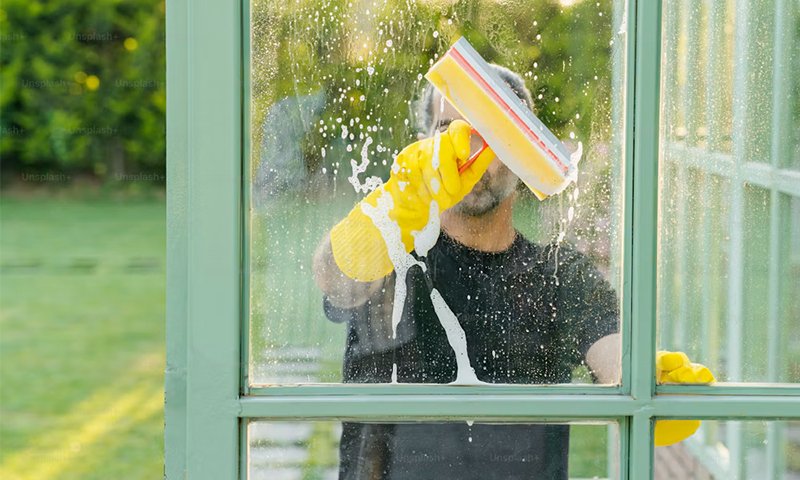
Maintaining the exterior of a residential or commercial property is an important part of protecting its appearance, preserving building materials, and creating a welcoming environment. Over time, outdoor surfaces are exposed to dust, pollen, rain, wind, algae, mildew, bird droppings, and other contaminants that gradually affect their condition. Roofs, siding, gutters, windows, driveways, patios, and walkways can all accumulate dirt that ordinary household cleaning methods may not remove effectively. Professional exterior cleaning helps address these problems by removing unwanted buildup and restoring the appearance of suitable surfaces through carefully selected cleaning techniques. Regular maintenance can also help property owners identify developing concerns, manage moisture-related issues, and maintain a more attractive property without waiting until visible contamination becomes extensive.
Many property owners focus primarily on interior improvements because indoor changes are immediately noticeable, while exterior maintenance is often postponed until dirt, stains, or organic growth become difficult to ignore. However, the outside of a building is continuously exposed to environmental conditions that can gradually affect roofing materials, exterior finishes, drainage systems, and other important components. A consistent exterior cleaning routine helps prevent excessive accumulation of contaminants and supports the long-term care of the property. By choosing suitable cleaning methods for different surfaces, protecting landscaping, and addressing contributing problems such as blocked gutters or persistent moisture, property owners can maintain a cleaner appearance while reducing avoidable maintenance concerns. A well-planned cleaning strategy also makes it easier to coordinate multiple outdoor maintenance tasks and keep the entire property looking cared for throughout the year.
Understanding the Importance of Exterior Cleaning
The exterior of a building serves as its first line of defense against environmental exposure while also shaping the property’s overall appearance. Dust, airborne pollutants, pollen, and rain residue can gradually settle on walls, windows, roofing materials, and outdoor surfaces. In shaded or damp areas, algae and mildew may develop and create dark streaks or green patches that make the building appear neglected. Regular exterior cleaning helps remove these contaminants before they spread across larger areas or become more difficult to treat. It also allows property owners to observe changes in the condition of exterior materials and identify visible defects that may require separate maintenance or repair.Clean exterior surfaces can contribute to a more welcoming environment for homeowners, guests, tenants, customers, and employees. A property with well-maintained siding, clean walkways, and clear windows often appears more organized and professionally cared for than one with extensive dirt and staining. However, effective maintenance involves more than simply improving appearance. Appropriate exterior cleaning can help remove organic buildup that may retain moisture, obscure damaged materials, or contribute to slippery conditions on certain walkways. Although cleaning cannot repair structural damage or guarantee that materials will remain free from deterioration, it can form an important part of a broader property maintenance plan. Combining cleaning with inspections and timely repairs helps ensure that exterior care supports both appearance and practical performance.
Roof Cleaning for Better Appearance and Maintenance
Roofs are constantly exposed to sunlight, rain, wind, dust, and organic debris, making them particularly susceptible to discoloration and surface contamination. Asphalt shingles may develop dark streaks associated with algae, while tiles and other roofing materials can collect moss, mildew, and dirt. Leaves and small branches may accumulate in roof valleys, around vents, and near gutters, potentially interfering with drainage if the buildup becomes extensive. Professional exterior cleaning may include appropriate roof maintenance methods designed to address suitable contamination while protecting the roofing material. The correct process depends on the roof’s age, construction, visible condition, and manufacturer recommendations, so a single cleaning technique should not automatically be applied to every roofing system.Using excessive pressure on a roof can cause damage by removing protective granules, disturbing shingles, or forcing water beneath overlapping materials. Soft washing may be more suitable for certain roofing materials because it relies on controlled application of appropriate cleaning treatments rather than aggressive water pressure. A professional assessment can help determine whether cleaning is appropriate and whether existing problems, such as loose shingles, damaged flashing, or visible leaks, should be addressed first. Effective exterior cleaning also considers the roof’s drainage system because loose debris can travel into gutters and downspouts during maintenance. When roof care is coordinated with drainage inspections and other exterior services, property owners can maintain a cleaner appearance while taking a more comprehensive approach to protecting their buildings.
Keeping Siding and Exterior Walls Clean
Siding and exterior walls play an important role in protecting the building while contributing significantly to its visual appeal. Vinyl, fiber cement, painted wood, brick, and other materials can collect dust, pollen, mildew, and algae as they remain exposed to changing weather conditions. Shaded walls may experience more organic growth because moisture evaporates slowly, while surfaces near busy roads or dusty outdoor areas may accumulate grime more quickly. Appropriate exterior cleaning helps remove surface contaminants and restore a more consistent appearance, but the cleaning method must be selected according to the material and its condition. Some surfaces tolerate controlled pressure, whereas others require low-pressure application and suitable cleaning solutions to avoid damage.Windows, doors, vents, electrical fixtures, and joints between siding panels require particular attention during the cleaning process. Directing forceful water streams into vulnerable openings may introduce moisture behind exterior materials or affect deteriorated seals. A professional cleaning plan should identify these sensitive areas and account for any existing damage before work begins. Depending on the surface, soft washing or another gentle technique may provide a safer alternative to conventional pressure washing. Proper exterior cleaning focuses on removing contamination without compromising protective finishes, loosening materials, or creating additional maintenance problems. Regular visual inspections and timely repairs can further help preserve siding and exterior walls between cleaning appointments.
Gutter Cleaning and Proper Water Management
Gutters and downspouts help direct rainwater away from the roof, exterior walls, and foundation. When leaves, twigs, dirt, and other debris accumulate inside the drainage system, water may overflow onto siding, collect near the foundation, or contribute to deterioration around fascia boards and other exposed components. Maintaining these systems is therefore an important part of exterior cleaning, particularly for properties surrounded by trees or exposed to frequent seasonal debris. Clean gutters help support proper drainage, while inspecting joints, brackets, and downspouts can reveal problems that may require repairs. Property owners should remember that removing surface dirt from the outside of a gutter does not resolve an internal blockage or a damaged drainage connection.Water management should be considered across the entire exterior rather than as an isolated cleaning task. Blocked drainage outlets, leaking gutters, and improperly directed downspouts may allow water to collect around areas that should remain relatively dry. These conditions can contribute to staining, erosion, and moisture intrusion if they persist. A comprehensive exterior cleaning routine can include evaluating accessible drainage components and identifying visible signs of overflow or water damage. Cleaning professionals should also manage debris and runoff carefully so that the cleaning process does not transfer contaminants into inappropriate drainage areas. By combining gutter maintenance with regular inspections, property owners can address water-related concerns before they develop into more complicated and expensive problems.
Pressure Washing for Driveways, Walkways, and Patios
Driveways, sidewalks, patios, and other hard outdoor surfaces receive substantial exposure to foot traffic, vehicles, weather, and environmental residue. Dirt, tire marks, grease, fallen leaves, and algae can accumulate over time, leaving concrete and paving materials looking stained or neglected. Appropriate pressure washing can remove many forms of surface buildup from suitable durable materials, improving the appearance of frequently used outdoor areas. As part of a broader exterior cleaning plan, these services can help create a more consistent appearance between the building and its surrounding spaces. Clean walkways and patios may also make routine maintenance easier by reducing accumulated dirt and helping property owners identify cracks, uneven paving, and other visible concerns.Not every hard surface can withstand the same amount of water pressure. Older concrete, decorative stone, loose pavers, painted surfaces, and sealed materials may require different equipment settings or alternative cleaning methods. Excessive pressure can damage joints, strip coatings, or leave visible marks on some materials, so the technique should always be adjusted to the surface. Effective exterior cleaning also considers the nature of the stains because oil, grease, and deeply embedded discoloration may require compatible pretreatment products. Responsible runoff management is essential when contaminants or cleaning solutions are present, especially around landscaping and drainage systems. Choosing the correct process helps property owners improve outdoor surfaces while avoiding unnecessary wear or environmental concerns.
Soft Washing for Delicate Exterior Surfaces
Soft washing is a low-pressure cleaning method that uses appropriate cleaning solutions to address dirt and organic growth on surfaces that may be vulnerable to aggressive water streams. It can be suitable for certain roofs, siding materials, painted surfaces, and other exterior components when the treatment follows manufacturer recommendations. Rather than relying primarily on mechanical force, the process allows a compatible cleaning solution to work against the contamination before any necessary low-pressure rinsing is completed. Including soft washing in an exterior cleaning plan allows property owners to address different surfaces with methods suited to their individual maintenance requirements. This is particularly important when a building contains a mixture of roofing materials, siding, trim, and decorative exterior features.Cleaning products must be selected and applied carefully to protect landscaping, nearby fixtures, pets, and surrounding surfaces. Incorrect concentrations, unsuitable chemicals, and poor runoff control may cause damage even when the water pressure is low. Professional technicians should follow product instructions and evaluate the condition of the material before choosing a treatment. An effective exterior cleaning strategy does not assume that one method works for every surface; instead, it combines suitable approaches based on the property’s needs. Using pressure washing on appropriate durable areas and soft washing on compatible delicate surfaces can produce better results than applying the same technique throughout the property without considering material differences.
Window and Exterior Glass Cleaning
Windows influence both the appearance of a building and the amount of natural light that enters its interior. Dust, pollen, rain spots, and environmental residue can gradually form a cloudy film on exterior glass, reducing clarity and making the property look less maintained. Regular window washing can remove this buildup and complement other exterior cleaning services by creating a cleaner, more uniform appearance across the building. Window frames, sills, and surrounding trim also collect dirt, so these components should receive appropriate attention during maintenance. Selecting suitable tools and cleaning products helps minimize streaking while protecting glass coatings, frames, and seals.Window cleaning requires additional care when glass is elevated, difficult to access, or surrounded by delicate materials. High-pressure water should not be directed carelessly toward window seals, damaged frames, or openings where water may enter the building. Professional technicians can determine the appropriate approach according to the height, accessibility, and condition of the windows. Coordinating window washing with siding and other exterior cleaning tasks can improve efficiency and help prevent freshly cleaned surfaces from becoming dirty during later work. Regular maintenance also makes it easier to identify damaged seals, deteriorated caulking, and other visible issues that may need attention beyond ordinary cleaning.
Benefits of Professional Exterior Cleaning Services
Professional exterior cleaning offers several advantages for property owners who want to maintain their buildings without risking damage through unsuitable techniques. Experienced technicians can assess the surfaces involved, identify visible contamination, and choose cleaning methods that reflect the materials’ strengths and limitations. They may also recognize problems such as deteriorated sealants, damaged siding, blocked gutters, and visible roof defects that deserve separate evaluation. A professional exterior cleaning service can therefore contribute to a more organized maintenance routine by combining appropriate cleaning practices with observations about the property’s visible condition. Cleaning should not be confused with a structural inspection, but it can help reveal concerns that are difficult to notice when surfaces are covered in dirt and organic buildup.Safety is another important benefit of professional assistance, particularly when the work involves roofs, upper-story walls, elevated windows, or equipment that requires careful handling. Wet surfaces can become slippery, ladders may be unstable, and cleaning products can pose risks if they are handled incorrectly. Professional exterior cleaning providers should use suitable protective equipment, safe access procedures, and appropriate controls for water and chemical application. Property owners should ask about the methods being used, the products involved, protection for landscaping, and any preparation required before the appointment. Mallard Systems provides exterior cleaning services that property owners can explore through its website, exterior cleaning, when considering maintenance options for their properties. Choosing a service that understands different exterior materials can help ensure that the cleaning plan addresses the property’s actual needs.
Preparing Your Property Before Cleaning
Preparation is an essential part of a successful exterior maintenance project because cleaning activities can affect surrounding areas as well as the targeted surfaces. Outdoor furniture, decorations, portable equipment, and other movable items should be cleared from the work area whenever practical. Windows and doors should be closed, and technicians should identify electrical fixtures, vulnerable seals, damaged siding, and other sensitive components before applying water or cleaning products. Effective exterior cleaning begins with a clear understanding of the property so that the cleaning method can be adjusted to protect its features. Property owners should communicate any known leaks, previous water intrusion, or existing surface damage before work starts.Landscaping and runoff management also require appropriate planning. Cleaning solutions and dislodged debris can affect lawns, shrubs, flower beds, and nearby drainage systems if the work is not managed carefully. Depending on the method and product, precautions may include protecting sensitive plants, controlling runoff, and following suitable rinsing procedures. A professional exterior cleaning provider should explain any preparation requirements and identify areas that need special attention before the project begins. After cleaning, property owners can inspect accessible surfaces from a safe position and discuss any newly visible defects with an appropriate repair professional. This preparation and follow-up process helps make exterior maintenance more effective while reducing the likelihood of avoidable problems.
Maintaining Results Between Cleaning Appointments
Regular maintenance helps preserve the benefits of professional cleaning and may reduce how quickly dirt and organic growth return. Keeping gutters clear, trimming overhanging branches where appropriate, removing loose debris from accessible areas, and addressing drainage problems can help prevent excessive buildup. Properties surrounded by mature trees may require more frequent attention to leaves and organic material, while exposed areas may accumulate dust and pollen more rapidly. A practical exterior cleaning schedule should reflect these conditions rather than relying on unnecessary treatments at fixed intervals. Routine visual inspections can help property owners determine when maintenance is needed and identify developing concerns before they become more extensive.Seasonal maintenance can also provide an opportunity to review the condition of outdoor surfaces after periods of heavy rainfall, strong winds, or significant leaf accumulation. Property owners should look for recurring algae, unusual staining, blocked gutters, damaged finishes, and signs of water collecting around the building. These observations can help guide the next exterior cleaning appointment and identify situations where repairs or drainage improvements should be prioritized. Cleaning too aggressively or too frequently may contribute to unnecessary wear on certain materials, so the schedule should account for manufacturer recommendations and the condition of each surface. Combining targeted cleaning with preventive care supports a more efficient approach to property maintenance and helps maintain a clean, well-presented exterior throughout the year.
Conclusion
A clean exterior contributes to a property’s appearance, supports routine maintenance, and helps property owners identify visible concerns that may require further attention. Roofs, siding, gutters, windows, driveways, patios, and walkways all experience environmental exposure that gradually leads to dirt accumulation, staining, and organic growth. A well-planned exterior cleaning routine addresses these concerns using methods suited to the materials involved, whether that means controlled pressure washing for appropriate durable surfaces or soft washing for compatible delicate materials. Protecting landscaping, managing runoff, and following safe working practices are essential parts of achieving effective results without creating additional problems.Professional cleaning, combined with regular inspections and timely repairs, can help property owners maintain a more attractive and manageable building exterior. The right approach depends on the property’s construction, the condition of its surfaces, environmental exposure, and the type of contamination present. Rather than relying on one cleaning technique for every area, property owners should choose methods that preserve material integrity and address specific maintenance needs. With consistent exterior cleaning, sensible preventive measures, and professional attention when necessary, residential and commercial properties can maintain a cleaner appearance while supporting the long-term care of their exterior surfaces.

How to Write an eBook to Generate Leads and Build Authority

Phoenix’s Holiday Travel Season Begins: What Drivers Should Know Before Thanksgiving and Christmas Road Trips

Buying This Shop as a Gift, With No Size Chart to Lean On

Ten to Fifteen Days, or Five: What Each Shipping Tier Buys

How Newsrooms Can Use AI Drafting Without Losing Editorial Standards

A Practical Guide to Organizing Records for a U.S. Investor Immigration Case

How to Prepare a Used Boat for Sale: A Clear Checklist for Owners

Commercial Rooftop Solar Installation in Phoenix: A Complete Guide for Business Owners

11 Creative Ways to Decorate Your Home with Willow Storage Baskets

Sammy Hagar Net Worth: Cabo Wabo, Cars, Homes, and His Huge Fortune

Buying Property Through Your Super? Run an SMSF Loan Calculator Before You Call a Broker

How to Make Kofta Kebabs at Home Without Overthinking It

NF Net Worth: How the Rapper Turned Pain Into Millions

Michele Morrone Net Worth: His Salary, Earnings, and Rich Life

Who Is Ariane Bourdain? All About Anthony Bourdain’s Daughter

Oleksandra Zelenska: Who Is Volodymyr Zelensky’s Daughter?

How Interactive Step-by-Step Guides Make Tech Easier to Learn

Who Is Leonard Francois? Meet Naomi Osaka’s Father and First Tennis Coach

Ethan Klein Net Worth: YouTube H3 Podcast and His Wealth

Hi3D: Accelerating Creative Prototyping with AI-Powered 3D Design
How to Write an eBook to Generate Leads and Build Authority
Phoenix’s Holiday Travel Season Begins: What Drivers Should Know Before Thanksgiving and Christmas Road Trips
Buying This Shop as a Gift, With No Size Chart to Lean On
Ten to Fifteen Days, or Five: What Each Shipping Tier Buys
How Newsrooms Can Use AI Drafting Without Losing Editorial Standards
A Practical Guide to Organizing Records for a U.S. Investor Immigration Case
How to Prepare a Used Boat for Sale: A Clear Checklist for Owners
Commercial Rooftop Solar Installation in Phoenix: A Complete Guide for Business Owners
11 Creative Ways to Decorate Your Home with Willow Storage Baskets