
Blog
Messeregge: What It Is, How It Works, and Why Farmers Use It

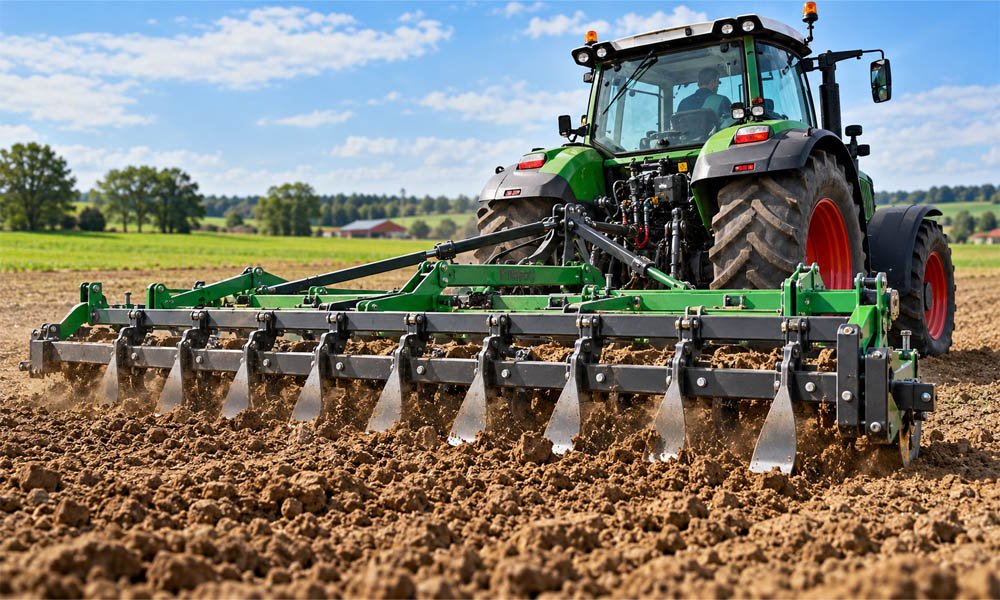
Preparing a field for planting is not always simple. After ploughing, the ground may have large soil clods and rough areas. Farmers need to make this surface more even before seeds can be planted at a steady depth.
This is where a Messeregge can be useful. It is a German farm tool with strong steel blades. These blades work across the upper soil and help break larger clods. The tool can also help level rough ground.
In this 2026 guide, we will explain what a Messeregge is and how it works. We will also look at its main parts, farming uses, benefits, and differences from other tools. Later, we will cover choosing, safety, and care.
What Is Messeregge?
A Messeregge is a soil-working farm tool. In English, it may be called a knife harrow, blade harrow, or scarifier. Its main job is to break larger soil clods and make the field surface more even.
The tool often works after ploughing. Imagine a field filled with hard lumps and small ridges. Planting seeds on this rough surface can be difficult. A Messeregge works across the top soil and helps prepare it for the next machine.
Many models are mounted at the front of a tractor. Some are also fitted ahead of a front packer or roller. This setup lets the blades work first. The roller can then press and firm the soil behind them.
Meaning and Origin of Messeregge
The name Messeregge comes from German. It is made from two simple words. Messer means knife or blade. Egge means harrow, which is a farm tool used for working the upper part of the soil.
This meaning is important because there is confusing information online. Some pages say Messeregge means a knife’s sharp edge. Others describe it as food or even a digital idea. These meanings do not match the documented farm use.
German-English dictionary sources place the word in farming. Farm equipment makers also use Messeregge for real soil-working machines. So, when you see this word in farm equipment information, think of steel blades working across soil, not a kitchen knife.
How Does a Messeregge Work?
The basic working process is easy to understand. A Messeregge has rows of strong steel blades. As the tractor moves forward, these blades meet rough soil and larger clods. They cut, push, and break these lumps into smaller pieces.
The blades can also knock down small ridges. This leaves a more even surface for the next field job. On some machines, farmers can change the blade height, depth, or working angle to suit different field conditions.
A roller or front packer may work with the Messeregge. The blades handle the rough soil first. The roller follows and firms the surface. In this way, two different soil jobs can happen during the same tractor pass.
Main Parts and Types of Messeregge
A Messeregge may look simple, but each part has an important job. The main parts normally include a strong carrying frame, steel blades, mounting points, and adjustment parts. Some models also have hydraulic parts for easier control.
The steel blades do most of the soil work. They need to be strong because they may hit hard clods and small stones. Adjustable models let the farmer change how strongly the blades meet the soil. This helps with different field needs.
Different sizes are also available. For example, some front-mounted units come in working widths around 2.6 meters and 3 meters. The correct size depends on the tractor, front packer, field, and other machines being used.
Common Uses of Messeregge in Farming
One of the main uses of a Messeregge is breaking clods after ploughing. Heavy or dry soil can form large lumps. These lumps may make later field work harder, especially when farmers need an even surface for sowing.
The tool can also help with seedbed preparation. Seeds often need steady contact with the soil and a suitable planting depth. A smoother surface can help the seed drill move more evenly. Still, the soil should not be worked into fine dust.
Another useful feature is combined field work. A Messeregge can work at the tractor’s front while another suitable machine works behind it. This may allow the farmer to break clods, level soil, and complete another job in one pass.
Key Benefits of Using Messeregge
The biggest benefit is better surface preparation. A rough field can slow later work and make seedbed preparation harder. By breaking large clods and reducing uneven areas, the Messeregge can leave the field ready for the next farming step.
It may also help farmers reduce separate tractor passes. For example, the knife harrow can work with a roller or another suitable tool. Doing more than one job in a pass may save time and fuel when conditions are right.
Its design can also be fairly simple compared with powered soil tools. However, simple does not mean maintenance-free. Blades still wear, bolts can loosen, and frames need checks. Good setup and regular care are important for steady results.
Messeregge vs. Other Farming Tools
A Messeregge is not the only tool farmers use to prepare soil. Other machines can also break clods and level fields. However, each tool works in a different way. The right choice depends on the soil and the job.
A spring-tine harrow uses long, flexible metal teeth. These teeth move through the soil and help loosen the top layer. A Messeregge uses steel blades instead. Its blades cut and level rough soil while breaking larger lumps.
Disc harrows use round metal discs to cut and mix soil. Power harrows use moving parts driven by the tractor. A plough works much deeper. A Messeregge mainly prepares the surface, so it cannot replace every other farming tool.
How to Choose the Right Messeregge
Choosing the right Messeregge starts with knowing your field. Is the soil full of large clods? Does it need more leveling? These questions help farmers decide whether a knife harrow is suitable for their daily work.
The working width is also important. Some machines come in widths of 2.6 or 3 meters. A wider tool can cover more ground, but it must match the tractor and any roller used with it.
Farmers should also check the blades, frame, and adjustment parts. Brands such as Fliegl and Kerner offer soil-working equipment. Before buying, check the machine’s weight, mounting system, spare parts, and tractor needs. Used machines need careful checks too.
How to Use Messeregge Safely
Using a Messeregge safely begins before the tractor enters the field. Farmers should check that the tool is fitted correctly. All pins, bolts, blades, and mounting points must be secure. Damaged parts should be repaired before work begins.
Next, the farmer should set the working height and blade angle as the machine maker directs. A short test run can show how the blades work. If one side cuts deeper, the settings may need to change.
Safety is also important when the machine is not moving. Never stand under a raised tool without proper support. Keep people away from moving equipment. Follow the tractor manual when lifting, turning, or driving on public roads.
Messeregge Maintenance and Common Problems
A Messeregge needs regular care to work well. After field work, farmers should remove mud and trapped plant material. This makes it easier to see worn blades, loose bolts, and cracks that may need repair.
Steel blades can become worn after long use. Stones and hard soil may also bend or damage them. Farmers should check the full working width. Uneven blade wear can leave some parts of the field rough.
Wet soil is another common problem. It may stick to the tool and make field work harder. Farmers should avoid working when the ground is too wet. Clean the machine and store it safely after use.
Is Messeregge Worth Using?
A Messeregge can be a good choice for farms with rough soil after ploughing. It helps break large clods and level the ground before planting. This can make the next field job easier when conditions are suitable.
The tool may also save time when used with a roller or another machine. Instead of making two separate trips, farmers may complete more work in one pass. The actual savings depend on fuel use and field conditions.
However, not every farm needs one. Very wet soil or deep, hard ground may need another approach. Farmers should compare the cost, field needs, and tractor size before buying. The best tool is the one that fits the job.
Conclusion
A Messeregge is a useful German farming tool made to break soil clods and level rough fields. Its steel blades work near the surface. This helps prepare the ground for later work, such as rolling or planting seeds.
One of its main strengths is its simple working method. When paired with a suitable roller, it can complete two soil jobs during one pass. Good settings and regular care help the machine give steady results.
In 2026, Messeregge remains a useful tool for farmers who need better surface preparation. Still, good farming starts with understanding the soil. Choosing the right machine and working at the right time can make a real difference.
(FAQs)
What is a Messeregge?
A Messeregge is a German farming tool used to break large soil clods and level rough fields. It has strong steel blades that work the top layer of soil. Farmers often use it before planting seeds.
What does Messeregge mean in English?
Messeregge means knife harrow or blade harrow in English. It is also translated as scarifier. The German word Messer means knife, while Egge means harrow. The name describes how this farming tool works.
What is a Messeregge used for?
A Messeregge is mainly used to prepare soil before planting. It breaks large soil lumps and makes rough fields smoother. Farmers can also use it with a roller to help create a firm and even seedbed.
How does a Messeregge work?
A Messeregge uses rows of steel blades to work the soil. As the tractor moves forward, the blades break larger clods and level the surface. A roller may follow to press the loose soil into place.
Is Messeregge a traditional German food?
No, Messeregge is not a traditional German food. Some websites give this wrong meaning. German farming dictionaries and equipment makers identify it as a soil-working tool. It is used in agriculture, not cooking.
What is the difference between a Messeregge and a normal harrow?
A Messeregge uses steel blades to break clods and level soil. Other harrows may use flexible teeth or round discs. Each tool works differently, so farmers choose one based on their soil and field needs.
Can a Messeregge fit any tractor?
No, a Messeregge cannot fit every tractor. The tractor must have the right mounting system and enough lifting power. Farmers should also check the tool’s weight, working width, and front linkage before buying.
Which companies make Messeregge farming tools?
German farm equipment makers such as Fliegl and Kerner offer knife harrows or related front-packer tools. Some models have working widths of 2.6 or 3 meters. Buyers should check current models and machine details before purchasing.
How much does a Messeregge cost?
The price of a Messeregge depends on its size, brand, age, and condition. New machines may cost more than used ones. Farmers should ask dealers for current prices and check repair costs before making a choice.
Is a Messeregge worth buying in 2026?
A Messeregge can be worth buying if your fields often have large soil clods after ploughing. It may help save time and improve soil preparation. However, its value depends on soil conditions, tractor size, and farming needs.
Continue reading: Bray Roth: The Story Behind the Name Everyone Is Searching

Inside the Obsession With Chrome Hearts and CDG

The Importance of Music Apps in Austin, TX Youngsters

Letflix: Everything You Need to Know About Free Movies and TV Shows in 2026

Delta Fitness Authority: Everything You Need to Know in 2026

Yalla Choy: What It Is, Taste, Benefits, Uses, and More

Hitaar: What It Means, How It Works, and Why People Search for It

Monika Leveski: Who Is She? The Truth Behind the Mysterious Name

Edivawer: A New Way to Learn in the Digital World

Toastul: From Simple Bread to a Tasty Meal Everyone Can Make

Mabinogi Lazy Patch: What It Is and How It Works

Dick Distin: What Happened to Vivian Liberto’s Second Husband?

Ralph Bernstein: Everything to Know About Yasmeen Ghauri’s Husband

Arbello Barroso: Where Is Luciana Barroso’s Ex-Husband Now?

Suzanne Bukinik: Everything to Know About Brad Falchuk’s Ex-Wife

Who Is Astrid Menks? All About Warren Buffett’s Wife

Maria Jesus Pariente: What We Know About Enzo Maresca’s Wife

Maureen Bates: What Happened to Barry Gibb’s First Wife?

Who Is April Dubois? All About Wesley Snipes’ Ex-Wife

Joe Cappuccio: Where Is Eva LaRue’s Ex-Husband Now?

Berkin Gökbudak: What to Know About Aslı Enver’s Husband
Inside the Obsession With Chrome Hearts and CDG
The Importance of Music Apps in Austin, TX Youngsters
Letflix: Everything You Need to Know About Free Movies and TV Shows in 2026
Delta Fitness Authority: Everything You Need to Know in 2026
Yalla Choy: What It Is, Taste, Benefits, Uses, and More
Hitaar: What It Means, How It Works, and Why People Search for It
Monika Leveski: Who Is She? The Truth Behind the Mysterious Name
Edivawer: A New Way to Learn in the Digital World
Toastul: From Simple Bread to a Tasty Meal Everyone Can Make
Mabinogi Lazy Patch: What It Is and How It Works
-

 News1 month ago
Who Is Gigi Yallouz? Meet Owain Yeoman’s Wife and Jewelry Designer
-

 News1 month ago
Rajesh Nihalani: What We Know About Archie Panjabi’s Husband
-

 News2 months ago
Stephan Farmiga: Everything to Know About Vera Farmiga’s Brother
-

 News2 months ago
Tara Nadella: What We Know About Satya Nadella’s Daughter