
Guide
Pool Repair: Restoring Pool Performance, Safety, and Long-Term Durability

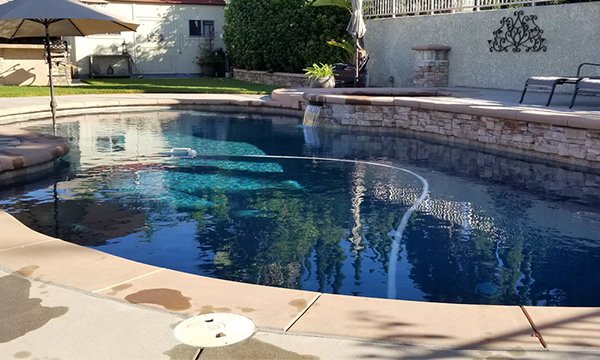
A swimming pool is a valuable addition to any residential or commercial property, providing a relaxing environment, recreational opportunities, and a comfortable place to spend time with family and friends. However, maintaining a swimming pool requires regular attention because constant exposure to water, chemicals, sunlight, and changing environmental conditions can gradually affect its structure and equipment. Over time, small problems such as water leaks, damaged tiles, malfunctioning pumps, cracked surfaces, and filtration issues can develop into more serious concerns if they are not addressed promptly. Proper maintenance and timely professional assistance are essential for keeping a swimming pool clean, functional, and safe for regular use.
Many pool owners underestimate the importance of addressing minor damage during its early stages. A small crack in the pool surface, for example, may initially appear harmless, but continued water exposure and structural movement can cause it to expand. Similarly, a pump that produces unusual noises or a filtration system that struggles to circulate water may indicate an underlying mechanical problem. These issues can affect water quality, increase operating expenses, and reduce the overall lifespan of swimming pool equipment. Professional pool repair services help identify the causes of these problems and provide suitable solutions that restore the pool’s performance while preventing unnecessary damage. Understanding common swimming pool issues, recognizing early warning signs, and following appropriate maintenance practices can help property owners protect their investment and enjoy a dependable swimming environment throughout the year.
Understanding the Importance of Professional Swimming Pool Maintenance
Swimming pools contain several interconnected systems that must work together to maintain proper operation. These include the pool structure, plumbing network, circulation pump, filtration equipment, heating system, lighting, and water treatment components. Each element performs a specific function, and a problem in one area can influence the performance of the entire installation. For example, a damaged circulation pump may prevent water from moving through the filtration system efficiently, while a plumbing leak can cause water levels to decrease and place additional pressure on the equipment.
Professional maintenance involves examining these different components to identify wear, damage, and operating problems. Experienced technicians understand how swimming pool systems function and can determine whether a particular issue requires cleaning, adjustment, replacement, or structural restoration. Their knowledge is particularly important when dealing with hidden plumbing leaks, electrical equipment, damaged surfaces, and complex filtration problems. Instead of relying on temporary solutions, professional attention focuses on identifying the underlying cause and recommending an appropriate corrective approach.
Regular inspections also help property owners understand the overall condition of their swimming pools. A technician may examine the pump, inspect visible plumbing connections, assess the filtration equipment, check water circulation, and look for signs of structural deterioration. Identifying potential problems during routine inspections can reduce the possibility of unexpected breakdowns and help maintain consistent performance. This proactive approach is generally more manageable than waiting until a major component fails or significant water damage occurs.
Common Signs That Indicate Your Pool Needs Professional Attention
Recognizing the early warning signs of swimming pool damage is one of the most effective ways to prevent expensive restoration work. One of the most noticeable indicators is an unexplained decrease in water level. Although some water loss occurs naturally through evaporation and splashing, unusually rapid water loss may suggest a leak in the pool structure, plumbing connections, or filtration equipment. Property owners should monitor water levels consistently and investigate significant changes rather than assuming that evaporation is responsible.
Another common warning sign is cloudy or discolored water. Clear swimming pool water depends on proper filtration, circulation, and chemical balance. If the water remains cloudy despite regular cleaning and chemical treatment, the filtration system may not be functioning correctly. A clogged filter, damaged pump, insufficient circulation, or chemical imbalance could be responsible. Ignoring these symptoms can make it increasingly difficult to maintain suitable water conditions.
Cracks, loose tiles, peeling plaster, and rough pool surfaces are additional signs that maintenance or restoration may be necessary. These problems can develop because of aging materials, improper installation, ground movement, chemical imbalances, or prolonged exposure to environmental conditions. Damaged surfaces can affect the appearance of the pool and may also create uncomfortable or unsafe areas for swimmers.
Unusual mechanical sounds should also receive attention. A pool pump that begins rattling, grinding, or producing excessive vibration may have worn bearings, loose components, or an obstruction. Reduced water pressure, weak return jets, and repeated equipment shutdowns can indicate similar mechanical or circulation problems. Addressing these warning signs early can help prevent further damage and maintain reliable pool operation.
Identifying and Fixing Swimming Pool Leaks
Water leaks are among the most concerning problems that swimming pool owners may encounter. Even a relatively small leak can lead to considerable water loss over time, increasing water bills and placing additional pressure on the surrounding soil. In some situations, persistent leakage can contribute to erosion, damage nearby landscaping, and affect the stability of surrounding structures. Identifying the exact location of a leak is therefore essential before selecting an appropriate repair method.
Swimming pool leaks can originate from several areas, including the pool shell, skimmers, return fittings, drains, lights, and underground plumbing lines. Structural leaks may develop when cracks form in concrete or other pool materials. Plumbing leaks can occur when pipes deteriorate, joints become loose, or connections are damaged. Leaks around fittings and accessories may result from aging seals or improper installation.
Professional technicians use different inspection methods to determine where water is escaping. These may include pressure testing, visual examinations, specialized listening equipment, and dye testing. The appropriate method depends on the pool’s construction and the suspected location of the problem. Once the source has been identified, technicians can recommend a suitable solution, such as sealing a crack, replacing a damaged fitting, repairing a pipe connection, or addressing a structural defect.
Homeowners should avoid repeatedly adding water without investigating unusual losses. Although maintaining the correct water level is important, continuously refilling a leaking pool does not resolve the underlying problem. Early identification and appropriate repairs can help reduce water waste, protect nearby structures, and preserve the overall condition of the swimming pool.
Restoring Damaged Pool Surfaces, Plaster, and Tiles
The interior surface of a swimming pool plays an important role in its appearance, comfort, and durability. Depending on the construction, the surface may consist of plaster, pebble finishes, fiberglass, vinyl liners, or decorative tile. Each material has different maintenance requirements and can experience different types of damage over time. Regular exposure to pool chemicals, water pressure, sunlight, and physical activity can gradually affect the condition of these surfaces.
Concrete and plaster pools may develop cracks, rough patches, discoloration, or areas where the finish begins to deteriorate. Minor surface imperfections can sometimes be addressed through localized repairs, while widespread deterioration may require resurfacing. The correct solution depends on the extent of the damage, the age of the existing finish, and the structural condition beneath it.
Tiles can also become loose, chipped, or discolored. Damaged tiles may create sharp edges that are uncomfortable or dangerous for swimmers. In addition, deteriorating grout can allow water to penetrate areas behind the tile installation. Professional restoration may involve removing damaged tiles, preparing the underlying surface, applying suitable adhesive, installing replacement tiles, and completing the grout work.
Fiberglass pools can experience surface blisters, fading, and cracks that require specialized treatment. Vinyl-lined pools may develop tears, wrinkles, or punctures that compromise their ability to retain water. Since different materials require different restoration techniques, it is important to select a technician who understands the specific construction of the pool. Proper surface restoration improves appearance while helping protect the underlying structure from further deterioration.
Pool Pump and Filtration System Problems That Require Attention
The circulation and filtration system is one of the most important parts of any swimming pool. It continuously moves water through filters and treatment equipment, helping remove debris and maintain suitable water conditions. When the pump or filtration system stops working properly, water quality can deteriorate quickly, making the pool less comfortable and potentially unsuitable for swimming.
Pool pumps may experience several mechanical problems, including worn bearings, damaged seals, clogged impellers, electrical faults, and motor overheating. A pump that produces unusual sounds or struggles to maintain normal water flow may require professional inspection. In some cases, cleaning an obstruction or replacing a worn seal may resolve the problem. More serious motor damage may require component replacement or a complete pump replacement.
Filtration equipment can also develop performance problems. Sand filters may become clogged or require appropriate maintenance, cartridge filters can accumulate debris, and damaged filter components may allow unwanted particles to pass through the system. A sudden change in filter pressure, reduced circulation, or consistently cloudy water can indicate that the filtration system needs attention.
Professional technicians can inspect the pump, evaluate filter pressure, examine plumbing connections, and determine whether the equipment is operating within the manufacturer’s recommended specifications. Correctly functioning circulation equipment helps maintain water clarity, supports effective chemical distribution, and reduces unnecessary strain on other pool components. Keeping these systems in good condition is essential for reliable swimming pool operation.
Maintaining Proper Pool Water Chemistry and Hygiene
Water chemistry is a major factor in maintaining a clean and comfortable swimming environment. Even when a pool looks clear, its chemical balance may not be suitable for swimming. Incorrect chemical levels can irritate the skin and eyes, damage pool surfaces, and interfere with the performance of sanitizing products. Maintaining appropriate water conditions requires regular testing and careful adjustment.
Chlorine is commonly used to control harmful microorganisms and maintain sanitary water conditions. However, chlorine levels must remain within the recommended range for the particular pool and treatment system. The pH level is equally important because it affects chlorine effectiveness and swimmer comfort. Other factors, including total alkalinity, calcium hardness, and stabilizer levels, may also need monitoring depending on the pool type and sanitation method.
Poor water circulation can make chemical distribution uneven, creating areas where treatment is less effective. This is another reason why the pump and filtration system must remain in good working condition. Regular testing, proper chemical storage, and careful adherence to manufacturer instructions help prevent common water quality problems.
If the water becomes unusually cloudy, develops a persistent odor, or changes color, property owners should investigate the cause rather than simply adding more chemicals. Excessive chemical treatment can create additional problems and may damage pool equipment or surfaces. A qualified pool professional can test the water, identify imbalances, and recommend suitable corrective measures. Maintaining consistent water quality improves the swimming experience and helps protect the entire pool installation.
Understanding Pool Plumbing and Circulation Problems
Swimming pool plumbing consists of pipes, valves, drains, skimmers, return fittings, and connections that transport water between the pool and its circulation equipment. These components work together to maintain consistent water movement and support effective filtration. Because much of the plumbing network is located underground or behind pool structures, problems may remain hidden until noticeable symptoms develop.
Common plumbing issues include leaking pipes, blocked lines, damaged valves, loose connections, and restricted water flow. A blocked skimmer line may prevent the pump from drawing water properly, while a damaged return line can reduce the pressure of water entering the pool. In some situations, air entering the plumbing system can create bubbles in the return jets or cause the pump to lose its prime.
Diagnosing these problems requires a systematic inspection. Technicians may use pressure testing to evaluate pipe conditions and determine whether a line is leaking. They may also examine valves, fittings, and visible plumbing connections to identify signs of damage. Depending on the location and severity of the issue, repairs may involve replacing a damaged pipe section, sealing a connection, clearing an obstruction, or installing new plumbing components.
Proper circulation is essential for distributing treated water throughout the pool. When water movement becomes inconsistent, certain areas may accumulate debris or develop poor chemical distribution. Maintaining the plumbing network helps improve filtration performance, reduce unnecessary equipment strain, and support better water quality.
The Importance of Timely Pool Repair for Long-Term Protection
Delaying necessary maintenance can increase the severity of swimming pool problems and make restoration more expensive. A small leak may gradually become a larger structural concern, while a pump operating with damaged bearings may eventually experience complete motor failure. Similarly, loose tiles and deteriorating plaster can allow moisture to reach underlying materials, creating additional damage over time.
Timely pool repair helps property owners address these problems before they affect multiple components. Professional technicians can evaluate the condition of the pool and determine which repairs should receive immediate attention. This is particularly important when problems involve electrical equipment, structural cracks, underground plumbing, or water circulation systems.
Early repairs also help maintain the appearance and usability of the swimming pool. A properly functioning pump keeps water moving, a well-maintained filter supports clarity, and a sound pool surface creates a more comfortable swimming environment. Addressing problems promptly can also reduce water waste and help prevent unnecessary energy consumption.
Another important benefit is equipment protection. When one component operates incorrectly, it may place additional pressure on connected systems. For example, restricted plumbing can make a pump work harder, potentially increasing wear and reducing its operating lifespan. Correcting the original problem helps protect the wider installation and supports more dependable performance.
How to Choose the Right Pool Maintenance and Repair Professional
Selecting a qualified service provider is essential for achieving reliable restoration results. Swimming pools involve structural materials, plumbing networks, electrical systems, water treatment equipment, and specialized mechanical components. A technician should have relevant experience and the technical knowledge required to work safely with the particular type of pool being serviced.
Property owners should begin by checking the service provider’s experience with similar swimming pool installations. Someone who regularly works with concrete pools may have different expertise from a technician who specializes in fiberglass or vinyl-lined systems. Understanding the provider’s areas of specialization can help ensure that the recommended repair method is appropriate for the existing construction.
Clear communication is another important consideration. A professional should explain the nature of the problem, describe the proposed solution, and provide an estimate before beginning significant work. The estimate should outline expected labor, materials, replacement parts, and any additional costs that may arise. Customers should also ask about warranties and the expected durability of the completed repair.
It is helpful to review customer feedback and request examples of previous work when possible. However, price should not be the only deciding factor. A very low estimate may not include essential preparation, suitable materials, or necessary follow-up work. Choosing a knowledgeable and transparent professional can help reduce future problems and provide greater confidence in the quality of the restoration.
Preventive Maintenance Practices That Help Extend Pool Lifespan
Preventive maintenance is one of the most effective ways to protect a swimming pool and reduce the need for extensive restoration. A consistent maintenance routine helps identify developing problems, maintain water quality, and keep essential equipment operating efficiently. Pool owners should establish a schedule that accounts for usage, environmental conditions, pool size, and the manufacturer’s recommendations.
Regular skimming helps remove leaves, insects, and other debris before they settle at the bottom of the pool. Brushing the walls and floor can prevent dirt and algae from accumulating on surfaces, while vacuuming removes debris that cannot be collected through ordinary skimming. The skimmer baskets and pump basket should also be checked and cleaned as necessary to maintain proper circulation.
Water chemistry should be tested regularly, with adjustments made according to reliable testing results and product instructions. Filters should receive appropriate cleaning and maintenance, while pumps and other mechanical components should be monitored for unusual sounds, leaks, or performance changes. Pool covers can provide additional protection by reducing debris accumulation and limiting evaporation when the pool is not in use.
It is also important to keep the surrounding pool area clean and inspect visible surfaces for signs of deterioration. Cracked coping, loose tiles, damaged decking, and unusual changes in water level should be investigated promptly. Scheduling professional inspections at suitable intervals provides an additional layer of protection because trained technicians can identify problems that may not be obvious during everyday maintenance.
Factors That Influence Swimming Pool Repair Costs
The cost of restoring a swimming pool depends on the type of damage, the materials involved, the size of the affected area, and the amount of labor required. Minor problems, such as replacing a small fitting or repairing a limited section of damaged grout, may involve relatively modest expenses. More extensive work involving structural cracks, underground plumbing, pump replacement, or complete resurfacing can require a considerably larger investment.
The construction material of the pool also influences the repair process. Concrete, fiberglass, and vinyl-lined pools require different products, techniques, and preparation procedures. A repair method suitable for one material may not be appropriate for another. Technicians must therefore evaluate the pool’s construction before recommending a solution.
Accessibility can also affect project costs. A visible crack near the pool surface may be relatively straightforward to investigate, while an underground plumbing leak may require specialized testing and additional labor. The availability of replacement equipment and the condition of connected components can further influence the final estimate.
Property owners should request a detailed quotation that explains the scope of work, materials, labor, and any applicable warranties. Comparing multiple estimates can provide a better understanding of reasonable pricing, but the quality of the proposed solution should remain a major consideration. Investing in suitable materials and professional workmanship can help prevent recurring problems and reduce long-term maintenance expenses.
When Pool Renovation or Major Restoration Becomes Necessary
Some swimming pools experience extensive deterioration that cannot be resolved through isolated repairs. Older installations may develop widespread surface damage, recurring leaks, outdated equipment, and inefficient circulation systems. When several major problems occur together, a complete renovation may be more practical than continuing to address individual issues separately.
Pool renovation can involve resurfacing, replacing damaged tiles, upgrading filtration equipment, improving plumbing, installing modern lighting, or updating surrounding decking. These improvements can restore the appearance of an aging pool while also improving functionality and reducing maintenance difficulties. However, renovation should begin with a thorough inspection to determine the condition of the underlying structure.
The decision between localized restoration and a larger renovation depends on the pool’s age, construction, maintenance history, and overall condition. A professional assessment can help property owners understand which improvements are essential and which are optional. It is also important to consider how the pool will be used in the future, since household requirements and recreational preferences may change over time.
Planning a renovation carefully allows homeowners to establish a realistic budget and prioritize important improvements. Selecting durable materials, appropriately sized equipment, and experienced contractors can make a significant difference in the final result. A well-planned restoration can improve the swimming environment and help protect the property’s value.
Final Thoughts on Maintaining a Safe and Reliable Swimming Pool
A swimming pool requires consistent care to remain attractive, functional, and safe for regular use. Problems involving leaks, damaged surfaces, filtration equipment, plumbing, and water chemistry can gradually affect the entire installation if they are not addressed promptly. Recognizing early warning signs and following a suitable maintenance routine can help property owners avoid unnecessary expenses and protect their investment.
Professional pool repair provides an effective way to identify underlying problems and restore the performance of important swimming pool components. Whether the issue involves a malfunctioning pump, a structural crack, damaged tiles, or a hidden plumbing leak, selecting the correct repair method is essential for achieving dependable results. Regular inspections and preventive maintenance further help extend equipment lifespan and maintain suitable water conditions.
Ultimately, a well-maintained swimming pool offers more than visual appeal. It provides a comfortable recreational space, supports property enjoyment, and creates opportunities for relaxation and exercise. By combining responsible maintenance habits with timely professional assistance, pool owners can reduce the risk of major damage, improve operational efficiency, and enjoy their swimming facilities with greater confidence for years to come.

How Newsrooms Can Use AI Drafting Without Losing Editorial Standards

A Practical Guide to Organizing Records for a U.S. Investor Immigration Case

How to Prepare a Used Boat for Sale: A Clear Checklist for Owners

Commercial Rooftop Solar Installation in Phoenix: A Complete Guide for Business Owners

11 Creative Ways to Decorate Your Home with Willow Storage Baskets

John Leguizamo Net Worth: His Wealth, Income, and Real Estate

Ethan Suplee Net Worth: How the Famous Actor Made His Millions

Juice WRLD Net Worth: His Music, Millions, and Lasting Fame

Will Tennyson Net Worth: How Much Does the Fitness Star Make?

Maitland Ward Net Worth: How She Built Her $4 Million Fortune

Buying Property Through Your Super? Run an SMSF Loan Calculator Before You Call a Broker

How to Make Kofta Kebabs at Home Without Overthinking It

NF Net Worth: How the Rapper Turned Pain Into Millions

Naomi Burton-Crews: The Heartwarming Story of Terry Crews’ Eldest Child

Michele Morrone Net Worth: His Salary, Earnings, and Rich Life

Who Is Ariane Bourdain? All About Anthony Bourdain’s Daughter

Oleksandra Zelenska: Who Is Volodymyr Zelensky’s Daughter?

How Interactive Step-by-Step Guides Make Tech Easier to Learn

Who Is Leonard Francois? Meet Naomi Osaka’s Father and First Tennis Coach

Hi3D: Accelerating Creative Prototyping with AI-Powered 3D Design
How Newsrooms Can Use AI Drafting Without Losing Editorial Standards
A Practical Guide to Organizing Records for a U.S. Investor Immigration Case
How to Prepare a Used Boat for Sale: A Clear Checklist for Owners
Commercial Rooftop Solar Installation in Phoenix: A Complete Guide for Business Owners
11 Creative Ways to Decorate Your Home with Willow Storage Baskets
John Leguizamo Net Worth: His Wealth, Income, and Real Estate
Ethan Suplee Net Worth: How the Famous Actor Made His Millions
Juice WRLD Net Worth: His Music, Millions, and Lasting Fame
Will Tennyson Net Worth: How Much Does the Fitness Star Make?






