Health
Prescription Drug Detox: What to Expect and Why It Matters

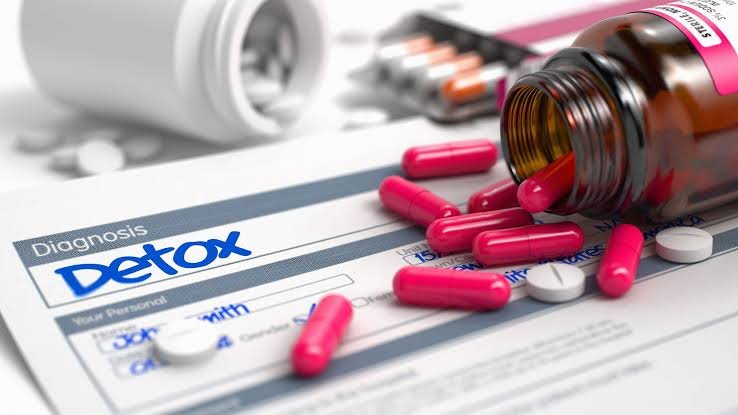
Stopping a prescription drug after weeks, months, or years of use is rarely as simple as just quitting. The body adapts to the presence of these substances, and when they are suddenly removed, the resulting withdrawal can range from deeply uncomfortable to genuinely dangerous. Understanding what detox actually involves, why medical oversight is so critical, and what different drugs do to the body during withdrawal can make a significant difference in whether someone gets through the process safely.
This article breaks down the detox process for common prescription drugs, explains what happens physiologically during withdrawal, outlines the risks that come with attempting to quit without help, and describes what a quality detox program looks like in practice. Whether you are researching for yourself or trying to support someone you care about, having accurate information is one of the most useful starting points.
Why Prescription Drugs Require Specialized Detox
Many people assume that prescription drugs are inherently safer than illicit substances because a doctor prescribed them. That assumption, while understandable, does not hold up when it comes to dependence and withdrawal. Opioids, benzodiazepines, and stimulants are among the most commonly misused prescription medications in the United States, and all three categories carry real withdrawal risks that can become serious without proper management.
The Drug Enforcement Administration and the Substance Abuse and Mental Health Services Administration (SAMHSA) both consistently report prescription opioids and benzodiazepines as major contributors to emergency department visits and overdose deaths. According to the Centers for Disease Control and Prevention (CDC), prescription opioids were involved in nearly 14,700 overdose deaths in 2021 alone. These numbers reflect not just misuse during active use, but also the dangers that emerge during unsupervised withdrawal, when people relapse after tolerance has dropped and take doses their body can no longer handle.
Detox is not simply about getting a substance out of the body. It is a medically managed process designed to stabilize the patient, reduce the severity of withdrawal symptoms, prevent complications, and set the stage for longer-term treatment. Doing it alone, without clinical support, significantly raises the risk of medical emergencies, failed attempts, and relapse.
Common Prescription Drugs That Require Medically Supervised Detox
Not all prescription medications produce the same withdrawal picture. The timeline, symptom severity, and medical risks vary considerably depending on the drug class involved. Here is a look at the three most common categories.
Opioids
Prescription opioids include drugs like oxycodone, hydrocodone, fentanyl patches, and morphine. When someone becomes physically dependent, stopping use triggers a withdrawal syndrome that typically begins within 8 to 24 hours of the last dose, depending on whether the drug is short-acting or long-acting. Symptoms include severe muscle aches, nausea, vomiting, diarrhea, insomnia, anxiety, and intense drug cravings. While opioid withdrawal is rarely fatal on its own, dehydration from vomiting and diarrhea can become dangerous, and the psychological distress often drives people to relapse before the process is complete.
Benzodiazepines
Benzodiazepines, which include medications like alprazolam, diazepam, lorazepam, and clonazepam, are prescribed for anxiety, panic disorders, and sleep problems. Withdrawal from benzodiazepines is one of the few drug withdrawals that can be life-threatening. Seizures can occur, sometimes without any preceding warning signs, and they can happen days after the last dose. This is why a slow, medically supervised taper is considered the standard of care rather than abrupt cessation. Attempting to stop benzodiazepines cold turkey without medical guidance is genuinely dangerous and should be avoided.
Prescription Stimulants
Stimulants such as amphetamine-based medications prescribed for ADHD, including Adderall and Vyvanse, produce a different withdrawal pattern. The physical symptoms are generally less acute than with opioids or benzodiazepines, but the psychological symptoms, including severe depression, fatigue, irritability, and prolonged sleep disturbances, can be intense and prolonged. Because the risk of depressive episodes is significant, clinical monitoring during stimulant withdrawal is strongly advised.
| Drug Class | Common Examples | Withdrawal Onset | Key Risks | Typical Detox Duration |
| Opioids | Oxycodone, Hydrocodone, Fentanyl | 8 to 24 hours after last dose | Dehydration, relapse, psychological distress | 5 to 10 days (acute phase) |
| Benzodiazepines | Alprazolam, Diazepam, Clonazepam | 24 to 72 hours after last dose | Seizures, severe anxiety, psychosis | Weeks with supervised taper |
| Prescription Stimulants | Adderall, Vyvanse, Ritalin | 12 to 24 hours after last dose | Severe depression, suicidal ideation | 1 to 3 weeks (acute phase) |
What Happens During a Medical Detox Program
A structured detox program is built around clinical assessment, monitoring, and symptom management. The process typically unfolds in stages, and understanding those stages can help reduce fear about what to expect.
- Intake assessment: A clinical team evaluates the patient’s medical history, current drug use, dosage levels, and any co-occurring mental health conditions. This information shapes the individualized detox plan.
- Stabilization: Clinicians use medications to ease withdrawal symptoms and reduce the risk of complications. For opioid withdrawal, medications like buprenorphine or methadone are commonly used. For benzodiazepine withdrawal, a gradual taper using a longer-acting benzodiazepine is typical.
- Monitoring: Vital signs, mental health status, and withdrawal severity are tracked throughout. Medical staff can adjust the treatment plan as symptoms evolve.
- Transition planning: Quality detox programs do not simply discharge a patient when acute withdrawal ends. They connect individuals to the next level of care, whether that is residential treatment, intensive outpatient programming, or ongoing medication-assisted treatment.
The length of a detox stay varies by substance, the severity of dependence, and any complications that arise. Opioid detox often takes between five and ten days. Benzodiazepine tapers can stretch over several weeks or even months in cases of severe dependence. Stimulant detox is usually shorter in its acute phase but may require extended mental health support.
Choosing the Right Detox Setting
Detox programs exist across a spectrum of settings, from inpatient hospital-based units to residential detox facilities to medically monitored outpatient programs. The appropriate level of care depends on several factors.
- Severity of physical dependence: Long-term, high-dose use typically warrants a higher level of care with round-the-clock monitoring.
- History of withdrawal complications: Anyone who has experienced seizures or severe withdrawal symptoms in the past should strongly consider inpatient or residential detox.
- Co-occurring medical conditions: Heart conditions, liver disease, and other chronic illnesses can complicate withdrawal and require closer medical management.
- Mental health history: Co-occurring depression, anxiety disorders, or trauma histories often benefit from integrated clinical support during the detox period.
- Home environment: A stable, supportive living situation can make outpatient detox more viable. A chaotic or using environment makes it much riskier.
Geography and accessibility also play a practical role in the decision. For people in the Southeast, for example, finding a program close to home can support family involvement and ease the transition back into daily life. Programs offering prescription drug detox in Nashville provide an option for patients across Tennessee and surrounding states who need regionally accessible, medically supervised care without having to travel far from their support systems.
What Detox Alone Cannot Do
One of the most persistent misconceptions about detox is that completing it means the problem is solved. It does not. Detox addresses physical dependence, but it does not treat the underlying psychological, behavioral, and social factors that drive addictive patterns. Research from the National Institute on Drug Abuse (NIDA) consistently shows that detox without follow-up treatment produces little lasting change and that relapse rates remain high for people who do not engage in ongoing care.
This is why reputable detox programs emphasize the transition to treatment rather than treating discharge as a finish line. Residential rehabilitation programs, outpatient therapy, medication-assisted treatment, and peer support groups are all components that help sustain the gains made during detox. The detox period is best understood as the first chapter, not the whole story.
Practical Questions to Ask When Evaluating a Detox Program
When researching options for yourself or someone else, it helps to approach the process with specific questions rather than relying on marketing language. A quality program should be able to answer all of the following clearly.
- Is the facility licensed by the state and accredited by a recognized body such as The Joint Commission or CARF International?
- Are physicians and nurses available around the clock during the detox period?
- What medications are used to manage withdrawal, and how are decisions about medication made?
- How does the program handle medical emergencies?
- What assessment tools are used to evaluate co-occurring mental health conditions?
- What does the discharge and transition planning process look like?
- Does the program accept insurance, and what out-of-pocket costs should be anticipated?
Transparency on these points is a reasonable expectation, not an unreasonable demand. Any program worth its accreditation should be able to answer these questions directly and without evasion.
Wrapping Up
Prescription drug detox is a real medical process with distinct risks depending on the substance involved. Opioid, benzodiazepine, and stimulant withdrawals each require their own clinical approach, and attempting to manage them without professional support is associated with higher rates of complications and relapse. Understanding what detox involves, how to evaluate a program, and why follow-up treatment matters gives anyone facing this situation a clearer picture of what recovery actually looks like in practice. The physical process of clearing a substance from the body is only the beginning of a longer and more meaningful journey.

Top 5 Web Development Companies Mississauga

What Makes Eau de Parfum a Distinctive Choice in Modern Fragrance

Beyond the State Line: A Bristol Vacation of Scenic Drives, Music, and Mountain Retreats

Why a Housekeeping App Is Becoming Essential for Modern Property Operations

10 After-Hours Icebreakers for SF Tech Teams (That Aren’t Happy Hours)

Why Fisher Island Continues to Attract Luxury Homebuyers Seeking an Exclusive Miami Lifestyle

Woody Harrelson Net Worth: Inside His Movies, Millions, and Business Deals

What Water Damage Really Changes in Your Home

Sarah Silverman Net Worth: Comedy Career, Salary, and Wealth

What AI Implementation Consulting Should Deliver in the First 90 Days

How to Make Kofta Kebabs at Home Without Overthinking It

Beyond the Interior: Home Improvements That Transform Your Entire Property

Building a Competitive Online Presence with Link Building Services and SEO Packages

Phoenix’s Construction Boom Is Changing How Workers, Drivers, and Businesses Share Urban Space

Spider Web Graphics in Fashion From Halloween to Streetwear

Brez Scales Net Worth: How TikTok ,YouTube and Business Made Him Rich

Electric Mini Bikes vs. Gas Mini Bikes: What Changes After You Buy?

Building Coherent Multi-Object Scenes Through Seeworld Spatial Planning

Cane Corso Kings: Everything You Need to Know About This Powerful Dog

Shay Mitchell Net Worth: Inside Her Acting and Business Wealth
Top 5 Web Development Companies Mississauga
What Makes Eau de Parfum a Distinctive Choice in Modern Fragrance
Beyond the State Line: A Bristol Vacation of Scenic Drives, Music, and Mountain Retreats
Why a Housekeeping App Is Becoming Essential for Modern Property Operations
10 After-Hours Icebreakers for SF Tech Teams (That Aren’t Happy Hours)
Why Fisher Island Continues to Attract Luxury Homebuyers Seeking an Exclusive Miami Lifestyle
Woody Harrelson Net Worth: Inside His Movies, Millions, and Business Deals
What Water Damage Really Changes in Your Home
Sarah Silverman Net Worth: Comedy Career, Salary, and Wealth