
Home Improvement
Professional Roof Repair Services: Protecting Your Property with Reliable Roofing Solutions

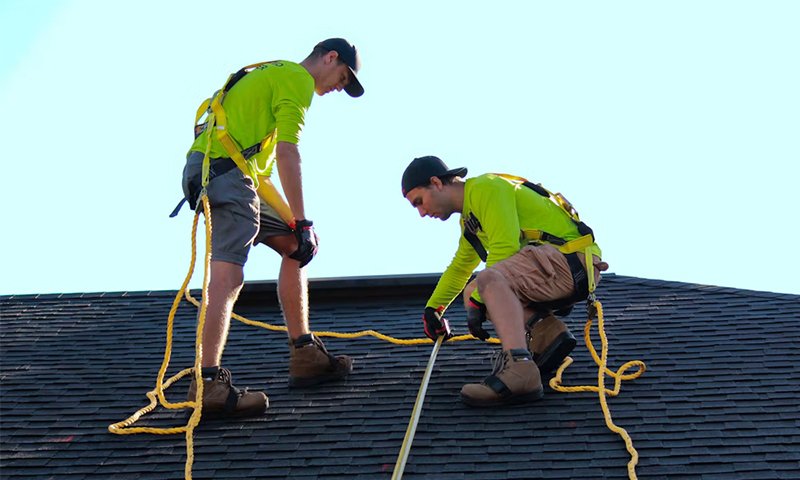
A roof is one of the most important structural components of any residential or commercial property. It protects the building from rain, wind, sunlight, temperature changes, and other environmental conditions while helping maintain a comfortable indoor environment. A properly maintained roof also contributes to the property’s structural stability, energy efficiency, and overall appearance. However, continuous exposure to changing weather conditions, moisture, debris, and natural aging can gradually weaken roofing materials. Small problems such as loose shingles, damaged flashing, minor leaks, and cracked surfaces can eventually develop into more serious issues if they are not addressed promptly. Regular inspections and timely professional repairs are essential for maintaining a reliable roofing system and preventing unnecessary property damage.
Roofing problems can affect more than the exterior appearance of a building. Water entering through damaged areas may spread into ceilings, walls, insulation, and structural materials, potentially creating conditions for mold growth and deterioration. Strong winds can loosen roofing components, while excessive heat and sunlight may accelerate the aging of certain materials. Professional roof repair services help identify these problems, determine their underlying causes, and recommend suitable solutions. Whether a property requires minor leak repairs, shingle replacement, flashing restoration, or more extensive structural work, experienced roofing professionals can help restore the roof’s performance and extend its useful lifespan.
Understanding the Importance of Professional Roof Repair
A properly functioning roof provides a protective barrier between the building’s interior and the outside environment. It helps prevent water intrusion, supports temperature regulation, and protects structural components from environmental exposure. When roofing materials become damaged, the building may become vulnerable to moisture penetration, insulation problems, and interior deterioration.
Professional repairs are important because roofing problems are not always visible from the ground. A small water stain on a ceiling, for example, may indicate a leak originating from a completely different section of the roof. Water can travel along structural components before becoming noticeable inside the property. Identifying the original source requires careful inspection and an understanding of roofing construction.
Qualified roofing contractors can evaluate the condition of shingles, tiles, flashing, underlayment, gutters, and other components. They can determine whether the problem requires a localized repair or a more comprehensive solution. Addressing the underlying cause rather than simply covering visible damage helps reduce recurring problems and protects the building from additional deterioration.
Common Signs That Your Roof Needs Repairs
Recognizing early warning signs can help property owners arrange repairs before roofing problems become expensive. One of the most noticeable indicators is water staining on ceilings or interior walls. Yellowish marks, peeling paint, bubbling surfaces, and damp patches may suggest that moisture is entering through damaged roofing materials.
Missing, cracked, curled, or loose shingles are other common warning signs. These problems can expose the underlying roofing layers to moisture and environmental damage. Property owners may also notice granules collecting in gutters or around downspouts, which can indicate that asphalt shingles are deteriorating.
Other signs include damaged flashing around chimneys, skylights, and ventilation openings, as well as sagging roof sections and visible daylight through attic spaces. Unusual increases in indoor humidity or persistent musty odors may also indicate hidden moisture problems. Although some signs may appear minor, they should be professionally evaluated to determine whether additional damage has occurred.
Common Causes of Roofing Damage
Roofing systems experience continuous exposure to environmental conditions, making gradual deterioration unavoidable over time. Weather is one of the most common causes of roofing damage. Heavy rain can reveal weaknesses in roofing materials, while strong winds may loosen shingles, ridge caps, and other components. Hail can create cracks, dents, and impact damage, depending on the roofing material.
Sunlight and temperature changes can also affect roof performance. Prolonged exposure to ultraviolet radiation may cause certain materials to become brittle, fade, or lose flexibility. Repeated heating and cooling can contribute to expansion, contraction, and deterioration around joints and connections.
Poor installation is another important cause of roofing problems. Incorrectly positioned shingles, inadequate flashing, insufficient ventilation, and unsuitable materials can create weaknesses that become more noticeable over time. Neglected maintenance, blocked gutters, falling branches, and accumulated debris can further increase the likelihood of damage.
Understanding the cause of a roofing problem is essential because different issues require different repair methods. Professional inspections help identify the source and determine the most appropriate approach.
Roof Leak Detection and Repair
Roof leaks are among the most common reasons property owners seek professional roofing assistance. Even a small opening can allow water to enter the building, especially during heavy rainfall or strong winds. If moisture continues entering the structure, it may damage insulation, ceilings, wall finishes, electrical components, and wooden framing.
Leak detection begins with examining the visible signs of water intrusion and inspecting the roof’s vulnerable areas. Common problem locations include damaged shingles, flashing connections, valleys, roof penetrations, skylights, and drainage areas. Technicians may also inspect the attic to identify moisture marks, damaged insulation, or signs of water movement.
Once the source has been identified, the repair method depends on the roofing material and the extent of the damage. Solutions may involve replacing damaged shingles, resealing flashing, repairing roof penetrations, or restoring compromised waterproofing layers. Simply covering an interior ceiling stain without correcting the roof leak will not resolve the underlying problem.
Prompt repairs can help prevent further moisture intrusion and reduce the likelihood of more extensive restoration work. Property owners should arrange an inspection whenever they notice unexplained water stains or signs of roof leakage.
Shingle Roof Repair and Replacement
Asphalt shingles are widely used because they offer a practical combination of appearance, availability, and protection. However, shingles can become damaged due to wind, sunlight, falling branches, aging, and improper installation. Over time, they may crack, curl, loosen, or lose protective granules.
Damaged shingles should be inspected to determine whether localized replacement is sufficient. If the surrounding roofing system remains in good condition, individual shingles may be replaced to restore the affected section. However, widespread deterioration may indicate that a larger portion of the roof requires attention.
Professional contractors assess the condition of the existing materials and select replacement shingles that are compatible with the roofing system. Matching color, profile, and material specifications helps maintain a consistent appearance while supporting proper installation.
Homeowners should also understand that shingle damage may affect the underlying underlayment and roof decking. A complete inspection is important because replacing visible shingles without addressing hidden damage may lead to recurring leaks.
Metal Roof Repair and Maintenance
Metal roofing is valued for its durability, relatively low maintenance requirements, and resistance to many common environmental conditions. Nevertheless, metal roofs can develop problems over time, particularly around seams, fasteners, flashing, and protective coatings.
Loose fasteners may create openings that allow moisture to enter the building. Damaged seams can also compromise the roof’s ability to shed water effectively. Scratches or deteriorating protective coatings may expose certain metals to corrosion, especially in environments where moisture remains on the surface.
Professional metal roof repairs may involve replacing damaged fasteners, restoring seams, repairing flashing, treating localized corrosion, and applying compatible protective coatings. The appropriate solution depends on the metal type, roof design, and extent of deterioration.
Regular inspections are important because small connection problems can develop into more extensive water intrusion if ignored. Property owners should also ensure that cleaning and maintenance products are suitable for the specific metal roofing material.
Tile Roof Repair and Restoration
Tile roofs are appreciated for their distinctive appearance, durability, and ability to complement different architectural styles. They are commonly made from clay, concrete, or other specialized materials. Although individual tiles can provide long-term protection, they may crack, break, shift, or become dislodged due to impact, weather exposure, and natural aging.
Damaged tiles can create openings through which water reaches the underlayment and roof structure. Even when the tiles appear mostly intact, deterioration beneath them may affect the overall performance of the roofing system.
Professional tile roof repair involves inspecting the affected section, identifying broken or displaced tiles, and evaluating the condition of the supporting materials. Damaged tiles can often be replaced individually, provided the underlying structure remains suitable. More extensive deterioration may require additional work involving underlayment or other roofing components.
Because walking directly on certain tile roofs can cause additional breakage, property owners should avoid attempting repairs themselves. Experienced roofing professionals have the appropriate equipment and techniques to work safely while minimizing unnecessary damage.
Flashing Repair and Waterproofing Solutions
Flashing is an important roofing component that helps prevent water from entering areas where different surfaces meet. It is commonly installed around chimneys, skylights, vents, roof valleys, walls, and other penetrations. Because these locations involve joints and transitions, they can become vulnerable to leaks if flashing is damaged or improperly installed.
Common flashing problems include corrosion, loose connections, deteriorated sealants, improper overlaps, and physical damage. Even a small gap can allow water to enter during rainfall and gradually affect surrounding materials.
Professional flashing repairs may involve removing damaged sections, installing compatible replacement materials, correcting connections, and restoring appropriate waterproofing. Contractors should also examine the surrounding shingles, underlayment, and roof structure to ensure that the repair addresses the complete problem.
Using suitable materials and following manufacturer recommendations are essential for long-term performance. Regular inspections around roof penetrations can help identify early deterioration and reduce the possibility of recurring leaks.
Roof Ventilation and Insulation Problems
Proper ventilation and insulation contribute significantly to the overall performance of a roofing system. Ventilation allows air to circulate through appropriate attic spaces, helping manage heat and moisture. Insulation reduces unwanted heat transfer between the interior and exterior of the building.
Poor ventilation can contribute to excessive attic temperatures and moisture accumulation. Over time, trapped moisture may affect wooden components, insulation, and other building materials. In certain conditions, condensation can create problems that resemble roof leaks.
Insufficient or damaged insulation can also affect indoor comfort and energy consumption. Heating and cooling systems may need to work harder when the building loses conditioned air through poorly insulated areas.
Professional roofing inspections can help identify ventilation concerns, damaged insulation, blocked vents, and other issues affecting roof performance. Improvements should be designed according to the building’s construction and applicable ventilation requirements. A properly balanced system can support roof durability and improve overall indoor comfort.
Storm Damage and Emergency Roof Repair
Severe weather can cause sudden roofing problems that require immediate attention. Strong winds may remove shingles, loosen metal panels, or damage flashing. Heavy rain can expose existing weaknesses, while falling branches may puncture roofing materials or damage the underlying structure.
After a storm, property owners should look for visible signs of damage from a safe location. These may include missing shingles, displaced tiles, damaged gutters, fallen debris, and water stains inside the building. However, climbing onto a damaged roof is dangerous and should be left to qualified professionals.
Emergency roof repair often begins with temporary protective measures designed to reduce further water intrusion. Depending on the circumstances, contractors may use suitable temporary coverings or other protective solutions until permanent repairs can be completed.
Once immediate concerns have been addressed, a detailed inspection can determine the full extent of the damage. Prompt documentation through photographs and written reports may also be useful when communicating with an insurance provider.
Residential Roofing Repair Services
Residential roofs protect homeowners, families, furniture, electrical equipment, and personal belongings from environmental exposure. Even minor roofing problems can disrupt daily activities when they allow moisture into bedrooms, kitchens, living rooms, or attic spaces.
Residential roofing services may include leak detection, shingle replacement, tile restoration, flashing repairs, gutter-related corrections, ventilation improvements, and storm damage assessments. The appropriate service depends on the roof’s material, age, construction, and overall condition.
Homeowners should consider arranging professional inspections periodically rather than waiting until a leak becomes visible. Preventive inspections can identify loose materials, deteriorating seals, damaged drainage components, and other concerns before they develop into major problems.
A well-maintained roof can also contribute to the property’s appearance and marketability. Addressing roofing issues promptly helps protect the investment and reduces the possibility of expensive interior repairs.
Commercial Roofing Repair and Maintenance
Commercial roofing systems often cover larger areas and may use different materials and construction methods than residential roofs. Offices, retail buildings, warehouses, industrial facilities, and apartment complexes may have flat, low-slope, or specialized roofing systems that require specific maintenance procedures.
Common commercial roofing problems include membrane punctures, seam separation, ponding water, deteriorating flashing, damaged drainage systems, and insulation deterioration. These issues can affect business operations and create risks for equipment, inventory, and interior spaces.
Professional commercial roof repair services help property managers identify problems and develop suitable maintenance plans. Depending on the roof type, repairs may involve restoring membrane sections, sealing seams, correcting drainage issues, or replacing damaged components.
Regular commercial roof inspections are particularly important because minor defects can affect large areas if they remain untreated. Scheduled maintenance can help reduce unexpected disruptions and support the long-term performance of the building.
Understanding Different Roofing Materials
Selecting suitable roofing materials is important for achieving long-term protection and maintaining the desired architectural appearance. Different materials offer different levels of durability, maintenance requirements, installation complexity, and cost.
Asphalt shingles remain a popular option because they are available in many colors and styles. Metal roofing offers a durable alternative with different profiles and finishes. Clay and concrete tiles provide distinctive architectural appeal, while slate is known for its natural appearance and long service potential when properly installed.
Flat and low-slope roofs may use specialized membrane systems, including single-ply materials and modified bitumen. These systems are designed to manage water differently from conventional sloped roofing and require appropriate installation and maintenance.
Property owners should consider building design, structural support, climate exposure, maintenance preferences, and budget before selecting roofing materials. Professional recommendations can help ensure that the chosen system is compatible with the property’s requirements.
Preventive Roof Maintenance for Long-Term Protection
Preventive maintenance is one of the most effective ways to extend the useful life of a roofing system. Instead of waiting for visible damage, property owners can schedule inspections and address minor concerns before they develop into more serious problems.
Routine maintenance generally includes checking shingles or panels, inspecting flashing, clearing appropriate drainage areas, and examining visible roof penetrations. Gutters and downspouts should also be maintained so that rainwater can move away from the building efficiently.
Overhanging branches should be monitored because falling limbs and continuous contact with roofing materials can cause physical damage. Accumulated leaves and debris may also retain moisture and interfere with proper drainage.
Professional inspections can identify concerns that may not be visible from the ground. Contractors can evaluate the condition of roofing materials, seals, connections, and other components while recommending suitable repairs.
Keeping maintenance records is also useful because it provides information about previous repairs, material condition, and recurring problems. A consistent maintenance schedule can help property owners manage expenses and reduce unexpected roofing emergencies.
Common Roofing Mistakes Property Owners Should Avoid
One common mistake is ignoring small leaks or damaged roofing materials because the problem appears minor. Water can travel through concealed spaces and damage structural components before becoming visible inside the building. Early inspection and repair are usually more effective than waiting for the damage to spread.
Another mistake is using temporary sealants as a permanent solution. Although certain products may provide short-term protection, they may not address the actual source of the leak. Roofing systems require compatible materials and correct installation methods to maintain reliable waterproofing.
Attempting complicated repairs without proper training is also risky. Working at height can result in serious injuries, and incorrect installation may create additional damage. Property owners should leave roof inspections and repairs to qualified professionals.
Choosing materials solely because they are inexpensive can also create long-term problems. Roofing products should be appropriate for the building’s construction, exposure conditions, and maintenance requirements. Quality materials and professional workmanship can provide better long-term value.
Choosing a Reliable Roofing Contractor
Selecting a trustworthy roofing contractor is essential for achieving dependable repair results. Property owners should look for companies with relevant experience, appropriate licensing where required, suitable insurance, and a history of completing similar roofing projects.
Before hiring a contractor, it is helpful to ask about the inspection process, recommended repair methods, material specifications, and expected project timeline. A professional contractor should explain the problem clearly and provide recommendations based on the actual condition of the roof.
Written estimates should describe labor costs, materials, preparation work, and any additional services. Customers should also ask about workmanship warranties, manufacturer warranties, and post-repair inspection procedures.
Reviewing customer feedback and previous projects can provide useful information about a contractor’s reliability. Clear communication, transparent pricing, and attention to safety are important factors when selecting a roofing professional.
Understanding the Cost of Roof Repair
Roof repair costs depend on several factors, including the type of roofing material, the location of the damage, the size of the affected area, labor requirements, and the complexity of the work. Minor repairs involving individual shingles or small flashing sections may require less investment than extensive leak repairs or structural restoration.
The accessibility of the roof can also influence project costs. Steep slopes, multiple roof levels, complicated architectural details, and specialized materials may require additional equipment and labor. Hidden damage to underlayment, decking, insulation, or structural components can further increase the scope of work.
Property owners should request a detailed written estimate before approving major repairs. The estimate should explain the identified problem, recommended solution, materials, labor, and any additional costs that may arise if concealed damage is discovered.
It is also important to consider the long-term value of repairs. Addressing problems promptly can help prevent larger expenses associated with water damage, mold remediation, and interior reconstruction.
When Roof Repair Is Better Than Roof Replacement
Not every roofing problem requires a complete replacement. In many situations, localized repairs can restore performance when the majority of the roofing system remains in good condition. Replacing a few damaged shingles, correcting flashing problems, or repairing a limited leak may be sufficient.
However, widespread deterioration, repeated leaks, extensive structural damage, and aging materials may indicate that replacement is a more practical long-term solution. Property owners should also consider the frequency of previous repairs and the expected remaining lifespan of the existing roof.
A professional inspection can help determine whether repair or replacement offers better value. Contractors should evaluate the complete roofing system rather than focusing only on the most visibly damaged section.
Comparing the immediate repair cost with the potential future expenses of maintaining an aging roof can help property owners make a more informed decision.
Conclusion
A properly maintained roof is essential for protecting residential and commercial properties from moisture, weather exposure, and structural deterioration. Over time, environmental conditions, aging materials, poor installation, and neglected maintenance can lead to leaks, damaged shingles, flashing problems, and other roofing concerns. Recognizing these issues early and arranging appropriate repairs can help prevent extensive property damage.
Professional roof repair services provide the experience and technical knowledge needed to identify roofing problems, restore damaged components, and improve long-term protection. From leak detection and shingle replacement to metal roofing repairs, flashing restoration, ventilation improvements, and storm damage assistance, qualified contractors can recommend solutions according to the property’s specific requirements.
Regular inspections and preventive maintenance are equally important for extending the life of a roofing system. By selecting suitable materials, working with experienced professionals, and addressing minor concerns promptly, property owners can maintain a dependable roof while protecting the value, comfort, and safety of their buildings for years to come.

How to Write an eBook to Generate Leads and Build Authority

Phoenix’s Holiday Travel Season Begins: What Drivers Should Know Before Thanksgiving and Christmas Road Trips

Buying This Shop as a Gift, With No Size Chart to Lean On

Ten to Fifteen Days, or Five: What Each Shipping Tier Buys

How Newsrooms Can Use AI Drafting Without Losing Editorial Standards

A Practical Guide to Organizing Records for a U.S. Investor Immigration Case

How to Prepare a Used Boat for Sale: A Clear Checklist for Owners

Commercial Rooftop Solar Installation in Phoenix: A Complete Guide for Business Owners

11 Creative Ways to Decorate Your Home with Willow Storage Baskets

Sammy Hagar Net Worth: Cabo Wabo, Cars, Homes, and His Huge Fortune

Buying Property Through Your Super? Run an SMSF Loan Calculator Before You Call a Broker

How to Make Kofta Kebabs at Home Without Overthinking It

NF Net Worth: How the Rapper Turned Pain Into Millions

Michele Morrone Net Worth: His Salary, Earnings, and Rich Life

Who Is Ariane Bourdain? All About Anthony Bourdain’s Daughter

Oleksandra Zelenska: Who Is Volodymyr Zelensky’s Daughter?

Who Is Leonard Francois? Meet Naomi Osaka’s Father and First Tennis Coach

Ethan Klein Net Worth: YouTube H3 Podcast and His Wealth

Hi3D: Accelerating Creative Prototyping with AI-Powered 3D Design

Parke Official and Mixed Emotions: Everyday Style Meets Modern Streetwear
How to Write an eBook to Generate Leads and Build Authority
Phoenix’s Holiday Travel Season Begins: What Drivers Should Know Before Thanksgiving and Christmas Road Trips
Buying This Shop as a Gift, With No Size Chart to Lean On
Ten to Fifteen Days, or Five: What Each Shipping Tier Buys
How Newsrooms Can Use AI Drafting Without Losing Editorial Standards
A Practical Guide to Organizing Records for a U.S. Investor Immigration Case
How to Prepare a Used Boat for Sale: A Clear Checklist for Owners
Commercial Rooftop Solar Installation in Phoenix: A Complete Guide for Business Owners
11 Creative Ways to Decorate Your Home with Willow Storage Baskets






