
Home Improvement
Professional Soffit Repair: Protecting Your Roof, Improving Ventilation, and Maintaining Your Home’s Exterior

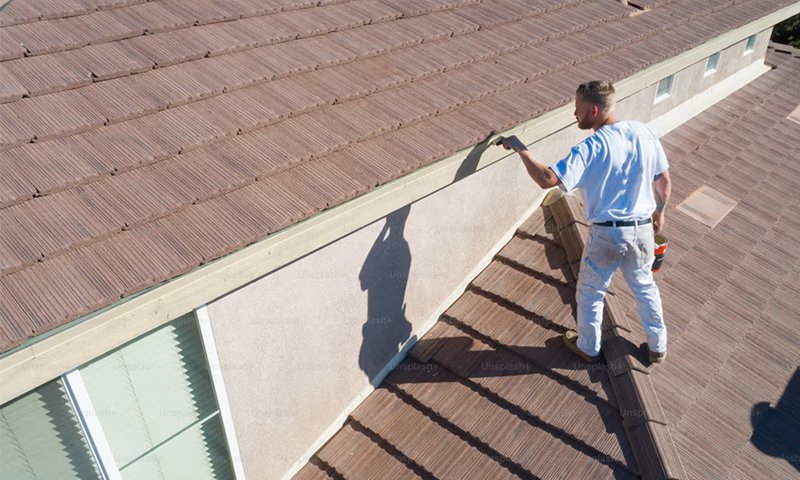
Introduction: Why Soffit Maintenance Is Essential for Every Property
A home’s exterior consists of several important components that work together to protect the structure from weather conditions, moisture, pests, and everyday environmental damage. While roofing materials, gutters, siding, and exterior walls often receive considerable attention, soffits are another essential feature that property owners should never overlook. Soffits are the panels installed underneath the roof’s overhanging edges, connecting the exterior walls to the roofline. Although they may appear to be a minor architectural detail, they play an important role in protecting roof structures, supporting attic ventilation, and maintaining the overall appearance of a property.
Over time, soffits can experience damage caused by moisture, heavy rainfall, strong winds, insects, rodents, deteriorating materials, and poor ventilation. Even relatively small problems can become more serious when they remain untreated. Cracked panels, peeling paint, sagging sections, and visible holes may allow water or unwanted pests to enter areas that should remain protected. Moisture entering through damaged soffits can also contribute to wood deterioration, mold development, and problems involving nearby roofing components.
Professional soffit repair helps restore damaged sections, protect vulnerable areas, and maintain the functionality of the roofline. Whether a property has vinyl, aluminum, wood, or fiber cement soffits, addressing problems early can prevent further deterioration and reduce the likelihood of expensive structural repairs. Understanding the purpose of soffits, recognizing common warning signs, and knowing when professional assistance is necessary can help property owners maintain a safer, more attractive, and durable building exterior.
Understanding the Purpose of Soffits in a Roofing System
Soffits are an important part of the roofline because they cover the exposed underside of roof overhangs. They create a finished appearance while providing a protective barrier between outdoor conditions and the roof structure. Depending on the design of the building, soffits may contain ventilation openings that allow fresh air to enter the attic and support proper airflow throughout the roofing system.
Proper ventilation is especially important because warm, moisture-filled air can accumulate inside an attic. Without sufficient airflow, excessive moisture may contribute to condensation, mold development, and deterioration of wooden roof components. During warmer months, inadequate ventilation can also allow heat to build up inside the attic, potentially affecting indoor comfort and increasing the workload of cooling systems.
Soffits also help prevent birds, squirrels, insects, and other unwanted animals from entering roof cavities. Open or damaged sections can provide convenient access points for pests looking for shelter. Once inside, animals may damage insulation, electrical wiring, ventilation materials, and other components.
In addition to these practical functions, soffits contribute to the visual appearance of a property. Well-maintained panels create a clean transition between the exterior walls and roofing materials. Damaged or discolored soffits can make an otherwise attractive building look neglected. Maintaining their condition therefore supports both structural protection and exterior appearance.
Common Signs That Your Soffits Need Repair
Identifying soffit damage early can help prevent more extensive problems. One of the most noticeable warning signs is visible deterioration along the roofline. Property owners may observe cracked panels, loose sections, peeling paint, holes, or materials that appear to be pulling away from the surrounding structure. These conditions may indicate that the soffit has been affected by moisture, age, physical damage, or improper installation.
Sagging soffit panels are another concern. When sections begin to droop or separate from their supporting framework, the underlying materials may have weakened. In some situations, water damage can cause wooden components to soften and lose their ability to support the panels. Loose sections should be inspected because they may become more vulnerable during strong winds or severe weather.
Unpleasant odors coming from attic spaces or roof overhangs can also indicate a hidden problem. Persistent damp smells may suggest moisture accumulation, while unusual noises may indicate that birds or small animals have entered through damaged openings. Property owners should also look for visible nesting materials, droppings, or insect activity near the roofline.
Another warning sign is peeling or bubbling paint. Although paint deterioration can result from normal aging, repeated exposure to moisture may indicate that water is entering behind the soffit panels. Dark stains, discoloration, and mold-like growth should also be investigated rather than simply covered with fresh paint.
Recognizing these signs early allows property owners to arrange an inspection and determine whether localized repairs or more extensive restoration work is necessary.
Common Causes of Soffit Damage
Soffits are regularly exposed to outdoor conditions, which means their materials can deteriorate over time. Moisture is one of the most common causes of damage. Rainwater, leaking gutters, roof drainage problems, and condensation can introduce excessive moisture into the soffit area. When water remains trapped behind panels, wooden components may begin to rot, metal materials may corrode, and surrounding finishes may deteriorate.
Blocked or overflowing gutters can contribute significantly to soffit problems. When gutters become filled with leaves, dirt, and other debris, rainwater may overflow and run along the roof edge. Repeated exposure can damage fascia boards, soffit panels, and nearby roof structures. Maintaining clean gutters is therefore an important part of protecting the entire roofline.
Pest activity is another common cause. Birds, squirrels, rats, and insects may enter through small gaps or damaged panels. Some animals can enlarge existing openings while searching for nesting areas, causing additional damage to the surrounding materials. Once pests enter the roof cavity, they may create further problems by disturbing insulation and damaging other building components.
Weather conditions can also weaken soffits. Strong winds may loosen panels, while hail and flying debris can create cracks or impact damage. Temperature changes may cause certain materials to expand and contract, potentially affecting fasteners, joints, and connections over time.
Finally, poor installation and unsuitable materials can contribute to premature deterioration. Incorrect spacing, inadequate fastening, insufficient ventilation, and poorly sealed joints may allow moisture or pests to enter. Addressing the original cause is essential when completing repairs because replacing damaged panels without correcting underlying problems may lead to recurring issues.
Different Types of Soffit Materials and Their Repair Requirements
The materials used in soffit construction influence how damage develops and which repair methods are appropriate. Understanding these differences helps property owners make better maintenance decisions and select suitable replacement materials when necessary.
Wood soffits are often found on traditional and older properties. They provide a natural appearance and can complement many architectural styles. However, wood is vulnerable to moisture exposure, rot, insects, and peeling paint if it is not properly protected. Minor surface deterioration may be addressed through sanding, sealing, and repainting, while severely damaged sections generally require replacement. Before installing new wooden panels, professionals should inspect the supporting structure and address any moisture sources.
Vinyl soffits are popular because they are relatively lightweight, resistant to many forms of moisture damage, and available in different colors and finishes. However, vinyl can become brittle with age or exposure to certain environmental conditions. Cracks, loose panels, and damaged connecting sections may require replacement. Matching the existing profile and ensuring proper ventilation are important considerations during installation.
Aluminum soffits are valued for their durability and resistance to rust. They are commonly used in properties where low-maintenance exterior materials are preferred. Although aluminum does not typically rot, it can become dented, bent, or detached due to impact or strong winds. Repairs may involve replacing individual panels, correcting fasteners, or restoring damaged sections of the supporting framework.
Fiber cement soffits provide a durable alternative and can offer a finished appearance similar to traditional wood. However, cracked or broken panels may need replacement, and proper installation is important to protect exposed edges and maintain manufacturer requirements.
Professional assessment helps determine which repair approach is suitable for the existing material and the overall condition of the roofline.
The Importance of Professional Soffit Repair
Although some minor exterior maintenance tasks may appear manageable, soffit repairs often involve working at height and inspecting areas connected to the roofing system. Attempting repairs without suitable equipment or technical knowledge can create safety risks and may leave underlying problems unresolved.
Professional contractors understand how soffits connect with fascia boards, roof edges, ventilation systems, and other exterior components. This knowledge allows them to identify whether visible damage is limited to the soffit panels or connected to a larger roofing concern. For example, damaged soffits may sometimes be associated with leaking gutters, deteriorated roof edges, or moisture entering through nearby flashing.
Experienced professionals also know how to select compatible replacement materials. Different soffit systems require specific fastening methods, panel dimensions, and ventilation arrangements. Using unsuitable materials or installing panels incorrectly can interfere with airflow and create additional maintenance problems.
Another important benefit is identifying hidden deterioration. A soffit may appear damaged on the outside while the supporting wood remains in good condition. In other situations, the visible opening may be relatively small even though moisture has already affected surrounding structural materials. A detailed inspection helps determine the actual extent of the problem.
Professional soffit repair can therefore provide more than an improved exterior appearance. It helps restore the protective function of the roofline, supports appropriate ventilation, and reduces the possibility of recurring damage.
How the Soffit Repair Process Works
A successful repair generally begins with a detailed inspection of the affected area. Contractors examine visible panels, fascia boards, roof edges, ventilation openings, and nearby gutter connections. They also look for signs of water intrusion, pest activity, corrosion, rot, and loose fasteners. The purpose of this assessment is to understand both the visible damage and the underlying conditions responsible for it.
Once the inspection is complete, the contractor determines whether the affected section can be repaired or requires replacement. Minor issues may involve securing loose panels, replacing damaged fasteners, or correcting small areas of deterioration. More extensive damage may require removing several panels and repairing the supporting framework before installing replacement materials.
During replacement work, damaged materials are removed carefully to avoid affecting surrounding components. If moisture-damaged wood or other weakened structural materials are discovered, they should be evaluated and addressed before new panels are installed. Any underlying water source, such as a leaking gutter or roof defect, should also be corrected.
New soffit panels are then fitted according to the requirements of the selected material and existing roofline design. Proper alignment, fastening, ventilation, and finishing are important to achieving a durable result. Contractors should also inspect the completed work to ensure that panels are secure and that ventilation openings remain unobstructed where required.
A final inspection helps confirm that the repaired section is properly integrated with the surrounding exterior materials and that the original problem has been addressed as thoroughly as possible.
The Relationship Between Soffits and Proper Attic Ventilation
Ventilation is one of the most important functions of many soffit systems. Vented soffits allow outside air to enter the attic through designated openings, supporting airflow toward higher exhaust vents. This movement helps reduce excessive heat and moisture accumulation inside the roof cavity.
When soffit ventilation becomes blocked by dirt, insulation, paint, or debris, the airflow needed by the roofing system may be reduced. Restricted ventilation can contribute to condensation, excessive attic temperatures, and moisture-related deterioration. Over time, these conditions may affect insulation performance and the condition of wooden roof components.
Maintaining clear ventilation openings is therefore an important part of soffit care. Property owners should avoid covering vented panels with paint or materials that restrict airflow. During repairs, contractors should ensure that replacement panels provide the correct ventilation characteristics for the existing roofing design.
It is also important to understand that attic ventilation depends on the entire ventilation system rather than soffits alone. Intake and exhaust openings must work together to provide an appropriate airflow arrangement. Simply adding more soffit vents without evaluating the overall system may not resolve existing ventilation concerns.
Professional inspection can help determine whether the current ventilation arrangement is functioning properly and whether improvements are necessary. This approach supports better roof performance while helping protect the property from moisture-related problems.
Preventing Moisture and Water Damage Around the Roofline
Moisture prevention is essential for maintaining soffits because prolonged water exposure can weaken materials and damage the supporting structure. One of the most effective preventive measures is maintaining clean and functional gutters. When gutters become blocked, water can overflow and repeatedly contact fascia boards and soffit panels. Regular cleaning helps direct rainwater away from vulnerable roof edges.
Property owners should also monitor roof conditions. Missing shingles, damaged flashing, and deteriorated roof edges may allow water to enter areas behind the soffits. These issues should be addressed promptly because repairing the visible soffit damage alone will not eliminate an active roof leak.
Proper exterior sealing can provide additional protection around suitable joints and connections. However, sealing should never block designated ventilation openings or trap existing moisture inside the roof cavity. The correct approach depends on the material, location, and construction details of the soffit system.
Maintaining suitable attic ventilation can also help reduce condensation. If excessive moisture is present inside the attic, property owners should investigate possible causes such as inadequate ventilation, air leakage from living spaces, or plumbing-related issues.
Regular inspections allow these concerns to be identified before they cause widespread deterioration. Combining gutter maintenance, roof inspections, and appropriate ventilation care can significantly improve the long-term condition of the roofline.
Protecting Soffits From Pests and Wildlife
Soffits provide an important barrier against animals and insects that may attempt to enter roof cavities. Even a relatively small opening can create an access point for birds, squirrels, rodents, and other pests. Once inside, these animals may damage insulation, chew electrical materials, disturb ventilation systems, and leave waste that creates unpleasant odors.
Signs of pest activity may include scratching sounds, nesting materials, droppings, damaged panels, or visible openings around the roofline. Property owners should not assume that replacing the exterior panel alone will resolve the problem. If animals are already present, the situation may require appropriate wildlife removal or pest management before permanent repairs can be completed.
A professional contractor can inspect damaged areas and determine whether the opening has affected surrounding materials. Replacement panels should be installed securely, with suitable screening or protective details where appropriate. Ventilation openings should remain functional while preventing unwanted access by pests.
Regular inspections are particularly useful for properties surrounded by trees or landscaped areas where wildlife activity may be more common. Keeping branches away from roof edges and addressing small openings promptly can help reduce opportunities for animals to enter.
Choosing the Right Contractor for Exterior Repairs
Selecting a qualified contractor is an important step in achieving reliable soffit repairs. Property owners should look for professionals with experience working on different exterior materials and a clear understanding of roofing systems. A contractor who can inspect the complete roofline is better positioned to identify related problems rather than simply replacing visibly damaged panels.
Before hiring a service provider, it is advisable to request a detailed inspection and written estimate. The estimate should explain the areas requiring attention, the materials being used, the expected scope of work, and any additional repairs that may become necessary if hidden damage is discovered.
Insurance and relevant licensing should also be verified according to applicable local requirements. Working at height involves safety considerations, and property owners should make sure that the contractor follows suitable procedures and uses appropriate equipment.
Communication is another important consideration. A dependable professional should explain the cause of the damage, describe the proposed repair process, and provide realistic information about timelines and costs. They should also clarify whether the quoted price includes material removal, disposal, replacement panels, and finishing work.
Customer feedback can provide useful information about workmanship, reliability, and service quality. Reviewing several independent experiences may help property owners identify contractors who consistently deliver professional results.
Benefits of Timely Soffit Repairs
Addressing soffit problems early offers several long-term benefits. The most important is protecting the roof structure from moisture and unwanted pests. Damaged panels can expose vulnerable areas, allowing water and animals to enter spaces that should remain protected. Timely repairs help restore this protective barrier and reduce the likelihood of additional deterioration.
Another benefit is maintaining proper ventilation. When vented soffits are damaged or obstructed, airflow through the attic may be affected. Repairing these sections can help restore the intended ventilation arrangement, provided that the overall system is correctly designed.
Exterior appearance is another consideration. Cracked, sagging, stained, or missing soffit panels can make a property appear poorly maintained. Replacing damaged materials helps create a cleaner and more consistent roofline, which may contribute positively to the property’s overall presentation.
Timely maintenance can also help control repair expenses. A small damaged section may be relatively straightforward to address, whereas prolonged moisture exposure could eventually affect fascia boards, roof framing, insulation, and other surrounding materials. Early intervention helps reduce the risk of more extensive work.
For homeowners preparing to sell or renovate their properties, maintaining the soffits can also support a more complete exterior improvement plan. Well-maintained roofline components demonstrate attention to property upkeep and help create a positive impression.
Conclusion: Maintain a Strong and Durable Roofline With Proper Soffit Care
Soffits play an important role in protecting residential and commercial properties from moisture, pests, and environmental exposure. They also contribute to attic ventilation and provide a finished appearance along the roofline. Although these components may not always receive the same attention as shingles, gutters, or exterior walls, their condition can significantly influence the performance and durability of a roofing system.
Recognizing warning signs such as cracks, sagging panels, peeling paint, discoloration, and pest activity allows property owners to address developing problems before they become more serious. Understanding the materials used in soffit construction and arranging professional inspections can also help ensure that repairs are completed using suitable methods.
Professional soffit repair is a valuable investment in maintaining the exterior condition, ventilation, and structural protection of a property. By choosing experienced contractors, correcting underlying moisture problems, maintaining gutters, and inspecting roofline components regularly, property owners can reduce avoidable damage and preserve the long-term condition of their buildings. Consistent maintenance and timely repairs help keep soffits functional, attractive, and capable of providing reliable protection for years to come.

How Newsrooms Can Use AI Drafting Without Losing Editorial Standards

A Practical Guide to Organizing Records for a U.S. Investor Immigration Case

How to Prepare a Used Boat for Sale: A Clear Checklist for Owners

Commercial Rooftop Solar Installation in Phoenix: A Complete Guide for Business Owners

11 Creative Ways to Decorate Your Home with Willow Storage Baskets

John Leguizamo Net Worth: His Wealth, Income, and Real Estate

Ethan Suplee Net Worth: How the Famous Actor Made His Millions

Juice WRLD Net Worth: His Music, Millions, and Lasting Fame

Will Tennyson Net Worth: How Much Does the Fitness Star Make?

Maitland Ward Net Worth: How She Built Her $4 Million Fortune

Buying Property Through Your Super? Run an SMSF Loan Calculator Before You Call a Broker

How to Make Kofta Kebabs at Home Without Overthinking It

NF Net Worth: How the Rapper Turned Pain Into Millions

Naomi Burton-Crews: The Heartwarming Story of Terry Crews’ Eldest Child

Michele Morrone Net Worth: His Salary, Earnings, and Rich Life

Who Is Ariane Bourdain? All About Anthony Bourdain’s Daughter

Oleksandra Zelenska: Who Is Volodymyr Zelensky’s Daughter?

How Interactive Step-by-Step Guides Make Tech Easier to Learn

Who Is Leonard Francois? Meet Naomi Osaka’s Father and First Tennis Coach

Hi3D: Accelerating Creative Prototyping with AI-Powered 3D Design
How Newsrooms Can Use AI Drafting Without Losing Editorial Standards
A Practical Guide to Organizing Records for a U.S. Investor Immigration Case
How to Prepare a Used Boat for Sale: A Clear Checklist for Owners
Commercial Rooftop Solar Installation in Phoenix: A Complete Guide for Business Owners
11 Creative Ways to Decorate Your Home with Willow Storage Baskets
John Leguizamo Net Worth: His Wealth, Income, and Real Estate
Ethan Suplee Net Worth: How the Famous Actor Made His Millions
Juice WRLD Net Worth: His Music, Millions, and Lasting Fame
Will Tennyson Net Worth: How Much Does the Fitness Star Make?






