Guide
Sprinkler Leak Repair: Effective Solutions to Protect Your Irrigation System and Property

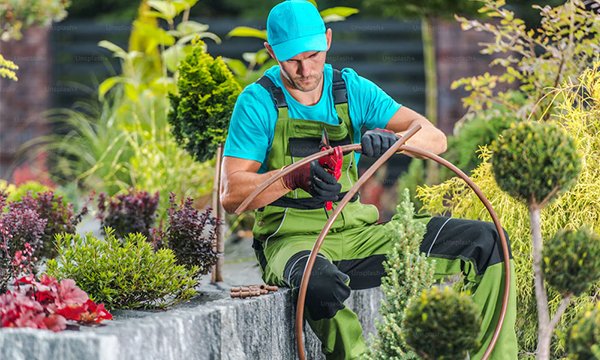
A properly functioning sprinkler system plays an important role in maintaining healthy lawns, attractive gardens, and well-maintained outdoor landscapes. Whether installed in a residential yard, commercial property, garden, or large landscaped area, an irrigation system helps distribute water evenly and keeps plants hydrated throughout the growing season. However, like any plumbing or irrigation equipment, sprinkler systems can develop leaks because of damaged pipes, loose connections, broken sprinkler heads, excessive water pressure, or normal wear and tear. Even a small leak can waste a considerable amount of water over time, increase utility expenses, and create unwanted moisture around the property. If left untreated, underground leaks may also damage soil, weaken landscaping, and affect nearby structures. Professional sprinkler leak repair helps identify the source of the problem, restore proper water flow, and prevent additional damage to the irrigation system. Understanding the common causes of sprinkler leaks, recognizing early warning signs, and following appropriate maintenance practices can help property owners maintain an efficient watering system while protecting their outdoor spaces.
Understanding How a Sprinkler System Works
A sprinkler system is designed to distribute water through a network of pipes, valves, fittings, and sprinkler heads. Depending on the property’s irrigation requirements, the system may include several watering zones that operate independently according to a programmed schedule. Water enters the system through a main supply connection and travels through underground pipes before reaching individual sprinkler heads. A controller manages the watering schedule, while valves regulate the flow of water to different sections of the landscape. Some systems also include pressure regulators, backflow prevention devices, filters, and rain sensors to improve performance and reduce unnecessary water usage.
Each component plays an important role in maintaining consistent irrigation. If a pipe becomes cracked or a fitting becomes loose, water may escape before reaching the intended sprinkler heads. Similarly, damaged valves can allow water to continue flowing even when the system is switched off. Broken sprinkler heads may distribute water unevenly or create excessive leakage around specific areas. Understanding the basic structure of an irrigation system helps property owners recognize why leaks can develop in different locations and why accurate diagnosis is important. Repairing the correct component rather than simply adjusting the watering schedule helps restore reliable performance and prevent recurring problems.
Common Causes of Sprinkler System Leaks
Sprinkler leaks can develop for several reasons, and identifying the underlying cause is essential for choosing the right repair method. One common problem is physical damage to underground irrigation pipes. Landscaping activities, digging, construction work, shifting soil, and accidental impacts can crack or puncture buried pipes. Even a relatively small opening may allow water to escape continuously, especially when the irrigation system operates under high pressure. Over time, the damaged area may become larger and affect the surrounding soil.
Loose pipe connections and worn fittings are another frequent source of leakage. Irrigation systems contain multiple joints and connectors that experience pressure changes whenever different watering zones operate. As materials age, connections may become loose, seals may deteriorate, and small gaps may develop. Broken sprinkler heads can also cause visible water loss, particularly when lawn equipment, vehicles, or foot traffic damage exposed components. In addition, malfunctioning valves, deteriorated seals, excessive water pressure, and damaged underground wiring can contribute to irrigation problems. A professional inspection can help determine whether the leak originates from the pipes, sprinkler heads, valves, or another system component.
Warning Signs That Your Sprinkler System Has a Leak
Recognizing the early warning signs of an irrigation leak can help prevent unnecessary water waste and expensive repairs. One of the most noticeable indicators is an unusually wet area in the lawn or garden. If a particular section remains muddy or saturated even when the sprinkler system has not been operating, an underground pipe may be leaking. Persistent puddles, soft ground, and unexplained water accumulation near sprinkler heads can also indicate a problem.
Another warning sign is a sudden increase in water consumption. If the water bill becomes noticeably higher without a corresponding change in household or irrigation usage, a hidden leak may be responsible. Property owners should also observe whether sprinkler heads produce weak, uneven, or unusually strong water streams. A damaged pipe may reduce pressure in one or more irrigation zones, preventing water from reaching certain areas properly. Hissing sounds, bubbling soil, continuous water flow around valve boxes, and sprinkler heads that continue dripping after the system shuts down are additional indicators. Paying attention to these symptoms allows property owners to arrange an inspection before the problem causes more extensive damage.
Why Timely Sprinkler Leak Repair Is Important
Delaying irrigation repairs can create problems that extend beyond wasted water. Even a small leak may continue releasing water whenever the system operates, increasing overall consumption and placing unnecessary pressure on the irrigation network. Underground leaks can gradually saturate the soil, affect plant roots, and create uneven ground conditions. In certain situations, excessive moisture may also contribute to erosion or affect nearby walkways and building foundations.
Timely repairs help restore the system’s intended performance and prevent additional damage to surrounding areas. A damaged sprinkler head, for example, may be relatively inexpensive to replace when identified early. However, ignoring the issue can lead to waterlogged soil, damaged plants, and increased maintenance requirements. Similarly, a cracked underground pipe should be repaired before continued water pressure enlarges the damaged section. Professional diagnosis allows technicians to identify the source of the problem and recommend suitable repairs. Addressing leaks promptly also supports responsible water usage and helps property owners maintain better control over irrigation expenses.
Professional Inspection and Leak Detection Methods
Finding the exact location of an underground sprinkler leak can be challenging because irrigation pipes are usually buried beneath grass, soil, mulch, or landscaping materials. Professional technicians use different inspection methods to identify the affected section without unnecessarily disturbing the entire landscape. The process generally begins with examining the irrigation system, checking the controller settings, and evaluating the condition of visible sprinkler heads and valve boxes. Technicians may operate individual watering zones to observe pressure changes and identify areas where water is escaping.
Depending on the system design, professionals may use pressure testing, flow monitoring, acoustic listening equipment, or specialized inspection tools to narrow down the location of a hidden leak. Pressure testing can help identify whether a particular section of the irrigation network is losing water. Flow measurements may reveal unusual water consumption, while visual inspection can identify damaged fittings, cracked components, or signs of underground moisture. Accurate detection is important because unnecessary digging can damage healthy landscaping and increase labor costs. A systematic inspection helps technicians locate the problem efficiently and determine which components require attention.
Repairing Damaged Underground Sprinkler Pipes
Underground pipe damage is one of the more complicated irrigation problems because the affected section may be hidden beneath established landscaping. Cracks, punctures, broken joints, and separated connections can all allow water to escape into the surrounding soil. The appropriate repair method depends on the pipe material, damage severity, location, and overall condition of the irrigation network.
Professional technicians generally begin by locating the damaged section and carefully exposing the affected pipe. Once the leak becomes accessible, they inspect the surrounding material and determine whether a connector, coupling, or complete pipe section needs replacement. Damaged areas must be removed cleanly, and replacement components should match the existing pipe specifications. Proper connections and compatible materials are essential because unsuitable fittings may create additional leaks or restrict water flow. After the repair is completed, the affected section should be tested under normal operating conditions to confirm that the connection is secure. Proper backfilling and restoration of the surrounding soil help protect the repaired pipe and maintain the appearance of the landscape.
Repairing Broken Sprinkler Heads and Damaged Nozzles
Sprinkler heads are among the most exposed components of an irrigation system, making them vulnerable to accidental damage. Lawn mowers, gardening equipment, vehicles, and regular foot traffic can crack sprinkler housings, damage nozzles, or cause heads to become misaligned. When this happens, water may spray in the wrong direction, leak around the head, or fail to cover the intended area. A broken sprinkler head can also reduce pressure in its watering zone and affect the performance of nearby sprinklers.
Replacing a damaged sprinkler head is often straightforward, but selecting the correct replacement is important. Different systems use specific head types, spray patterns, flow rates, and pressure requirements. Installing an incompatible component may result in uneven irrigation or excessive water consumption. Professional technicians can identify the existing equipment and recommend a suitable replacement. They can also adjust the sprinkler’s position and spray direction to ensure that water reaches the intended lawn or garden area without unnecessarily wetting sidewalks, driveways, or building walls. Proper alignment improves irrigation efficiency and helps prevent future water waste.
The Importance of Proper Sprinkler Valve Maintenance
Sprinkler valves control water distribution throughout different irrigation zones. When a watering schedule activates a zone, the corresponding valve opens and allows water to reach the sprinkler heads. Once the scheduled cycle ends, the valve should close and stop the flow of water. However, dirt accumulation, worn diaphragms, damaged seals, electrical faults, and internal valve deterioration can interfere with normal operation.
A malfunctioning valve may allow water to continue flowing after the irrigation cycle ends, creating persistent wet areas or continuous dripping around sprinkler heads. In other situations, a damaged valve may fail to open completely, resulting in weak water pressure and poor coverage. Professional maintenance may involve inspecting valve boxes, cleaning suitable components, replacing damaged internal parts, and checking electrical connections. Sometimes the complete valve assembly needs replacement. Keeping valves in good condition is essential because they regulate the water supply to individual irrigation zones and directly influence overall system performance.
How Water Pressure Affects Sprinkler System Performance
Water pressure plays a significant role in determining how effectively an irrigation system distributes water. Sprinkler heads are designed to operate within specific pressure ranges, and operating outside those ranges can create several problems. Excessively high pressure may cause misting, uneven spray patterns, damaged fittings, and additional stress on pipes and connections. Low pressure, on the other hand, can prevent sprinkler heads from reaching their intended spray distance and leave certain areas without sufficient water.
Pressure-related problems may result from faulty regulators, partially closed valves, restricted pipes, supply limitations, or changes in the overall plumbing system. Professional technicians can measure operating pressure and compare the results with equipment specifications. If necessary, they may recommend pressure regulators, valve adjustments, or repairs to damaged components. Maintaining appropriate pressure helps improve water distribution, reduces unnecessary strain on irrigation equipment, and supports more consistent watering throughout the property. It can also help prevent recurring leaks caused by excessive stress on vulnerable connections.
Residential and Commercial Sprinkler Leak Repair Services
Residential irrigation systems are generally designed to maintain lawns, flower beds, gardens, and decorative landscaping around homes. Although these systems may be relatively small, leaks can still create considerable water waste and damage carefully maintained outdoor spaces. Homeowners may experience broken sprinkler heads, damaged underground pipes, faulty valves, or controller-related issues. Professional repair services help restore the system and ensure that each watering zone operates as intended.
Commercial properties often require more extensive irrigation networks because they may include large lawns, landscaped entrances, outdoor recreational spaces, and multiple planting areas. These systems may contain numerous valves, extensive underground pipe networks, and several independently controlled watering zones. A leak in one section can affect irrigation performance across a significant portion of the property. Commercial sprinkler maintenance therefore requires careful inspection, accurate leak detection, and effective coordination to minimize disruption. Professional technicians can also recommend improvements that reduce water waste and simplify ongoing irrigation management. Whether the system serves a small garden or a large commercial landscape, timely repairs help maintain healthy outdoor spaces and protect the investment in landscaping.
Water Conservation Benefits of Fixing Sprinkler Leaks
Water conservation is an important consideration for every property owner, particularly when irrigation systems operate regularly during warmer periods. A leaking sprinkler system may waste water every time a watering zone activates, even when the problem is not immediately visible. Underground leaks can be particularly difficult to notice because water may disappear into the soil without creating obvious puddles. Over time, this unnecessary consumption can increase utility expenses and place additional demand on available water resources.
Repairing leaks helps ensure that water reaches the areas where it is actually needed. Properly functioning sprinkler heads distribute water more evenly, while correctly operating valves prevent unnecessary flow after watering cycles finish. Property owners can further improve efficiency by adjusting irrigation schedules according to seasonal conditions, soil moisture, plant requirements, and rainfall. Smart irrigation controllers and rain sensors can also reduce unnecessary watering. Combining timely repairs with responsible scheduling supports healthier landscaping while minimizing avoidable water consumption.
Preventive Maintenance Tips to Avoid Future Sprinkler Leaks
Preventive maintenance can help identify irrigation problems before they develop into major repairs. Property owners should periodically inspect visible sprinkler heads for cracks, loose fittings, unusual spray patterns, and signs of physical damage. Running each irrigation zone briefly allows homeowners to observe whether water reaches the intended areas and whether any components continue leaking after the system shuts down. It is also useful to check valve boxes for standing water, damaged wiring, or unusual moisture.
Seasonal inspections are especially valuable because irrigation systems may experience different operating conditions throughout the year. Soil movement, landscaping activities, temperature changes, and regular equipment use can affect underground pipes and exposed components. Before beginning gardening or construction work, property owners should be aware of the location of buried irrigation lines to reduce the possibility of accidental damage. Maintaining appropriate water pressure and avoiding unnecessary changes to system settings can also support reliable operation. A professional maintenance appointment can provide a more detailed evaluation of components that are difficult to inspect without specialized equipment.
Factors That Influence the Cost of Sprinkler Leak Repairs
The cost of repairing a sprinkler leak depends on several factors, including the location of the damaged component, the severity of the problem, the pipe material, and the amount of labor required. A leaking sprinkler head may require only a simple replacement, while an underground pipe leak may involve locating the damaged section, excavating the area, replacing fittings, and restoring the surrounding landscape. Repairs involving multiple irrigation zones or difficult-to-access components may require additional time and specialized equipment.
The availability of replacement parts and the condition of the existing irrigation network can also affect the total expense. If a system contains several aging components, technicians may identify additional problems during the inspection. Property owners should request a clear estimate explaining the diagnostic process, labor costs, replacement materials, and any landscaping restoration included in the service. Comparing estimates can help identify a suitable provider, but choosing a repair service based only on the lowest price may not always provide the best long-term value. Quality workmanship and compatible replacement components are important for preventing recurring leaks.
Choosing a Reliable Sprinkler Repair Professional
Selecting an experienced irrigation technician is important when dealing with hidden leaks or complicated sprinkler system problems. A dependable professional should understand different irrigation designs, pipe materials, sprinkler heads, valves, controllers, and pressure regulation equipment. They should also have access to suitable diagnostic tools and understand how to locate underground problems without causing unnecessary damage to the surrounding landscape.
Before hiring a service provider, property owners should ask about relevant experience, repair methods, replacement-part quality, and service warranties where available. A professional technician should explain the cause of the leak, discuss the recommended repair, and provide a clear estimate before beginning significant work. Customer reviews and examples of completed projects can also provide useful information about service quality. It is important to choose someone who focuses on identifying and correcting the underlying issue instead of offering temporary solutions that may allow the leak to return. Reliable workmanship helps protect the irrigation system and provides greater confidence in its long-term performance.
Conclusion: Maintain an Efficient Irrigation System With Professional Sprinkler Leak Repair
A properly maintained sprinkler leak repair system is essential for keeping lawns, gardens, and landscaped areas healthy while using water responsibly. However, damaged underground pipes, broken sprinkler heads, faulty valves, loose connections, and excessive water pressure can all interfere with normal irrigation performance. Recognizing the warning signs and arranging timely repairs can help prevent unnecessary water waste, protect landscaping, and reduce the risk of additional property damage.
Professional inspection and accurate leak detection are important because many irrigation problems develop beneath the ground and remain hidden until significant water loss occurs. Repairing damaged components, maintaining suitable pressure, and checking the system regularly can improve performance and extend the lifespan of irrigation equipment. Property owners should also adopt preventive maintenance practices and adjust watering schedules according to actual landscape requirements. By investing in proper maintenance and professional sprinkler leak repair, homeowners and businesses can protect their outdoor spaces, reduce unnecessary expenses, and maintain a reliable irrigation system throughout the year.

How Newsrooms Can Use AI Drafting Without Losing Editorial Standards

A Practical Guide to Organizing Records for a U.S. Investor Immigration Case

How to Prepare a Used Boat for Sale: A Clear Checklist for Owners

Commercial Rooftop Solar Installation in Phoenix: A Complete Guide for Business Owners

11 Creative Ways to Decorate Your Home with Willow Storage Baskets

John Leguizamo Net Worth: His Wealth, Income, and Real Estate

Ethan Suplee Net Worth: How the Famous Actor Made His Millions

Juice WRLD Net Worth: His Music, Millions, and Lasting Fame

Will Tennyson Net Worth: How Much Does the Fitness Star Make?

Maitland Ward Net Worth: How She Built Her $4 Million Fortune

Buying Property Through Your Super? Run an SMSF Loan Calculator Before You Call a Broker

How to Make Kofta Kebabs at Home Without Overthinking It

NF Net Worth: How the Rapper Turned Pain Into Millions

Naomi Burton-Crews: The Heartwarming Story of Terry Crews’ Eldest Child

Michele Morrone Net Worth: His Salary, Earnings, and Rich Life

Who Is Ariane Bourdain? All About Anthony Bourdain’s Daughter

Oleksandra Zelenska: Who Is Volodymyr Zelensky’s Daughter?

How Interactive Step-by-Step Guides Make Tech Easier to Learn

Who Is Leonard Francois? Meet Naomi Osaka’s Father and First Tennis Coach

Hi3D: Accelerating Creative Prototyping with AI-Powered 3D Design
How Newsrooms Can Use AI Drafting Without Losing Editorial Standards
A Practical Guide to Organizing Records for a U.S. Investor Immigration Case
How to Prepare a Used Boat for Sale: A Clear Checklist for Owners
Commercial Rooftop Solar Installation in Phoenix: A Complete Guide for Business Owners
11 Creative Ways to Decorate Your Home with Willow Storage Baskets
John Leguizamo Net Worth: His Wealth, Income, and Real Estate
Ethan Suplee Net Worth: How the Famous Actor Made His Millions
Juice WRLD Net Worth: His Music, Millions, and Lasting Fame
Will Tennyson Net Worth: How Much Does the Fitness Star Make?