Guide
Effective Mold Prevention Strategies After Water Damage and Professional Moisture Remediation

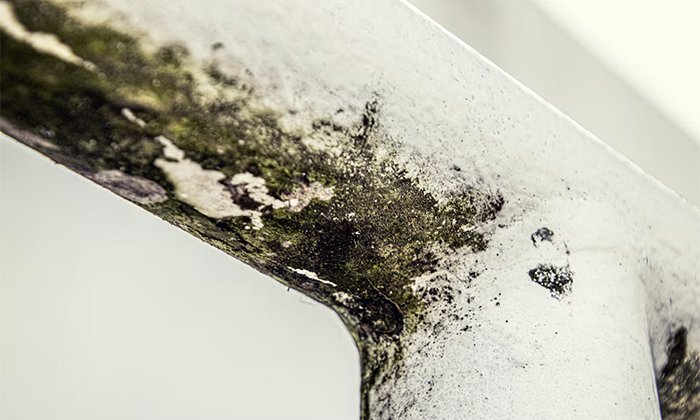
Mold growth is a common property problem that can affect residential homes, commercial buildings, offices, and industrial facilities. Although mold may initially appear as a small discoloration on walls, ceilings, floors, or other surfaces, it can quickly become a more serious issue when moisture remains untreated. Beyond affecting the appearance of a property, mold can damage construction materials, create persistent unpleasant odors, and contribute to indoor air quality problems. Addressing mold growth promptly is essential for maintaining a clean, comfortable, and healthy indoor environment. Understanding the causes of mold, recognizing early warning signs, and choosing appropriate removal methods can help property owners prevent extensive damage and unnecessary repair expenses.
Mold develops naturally in environments where moisture, oxygen, and suitable organic materials are available. It can grow on drywall, wood, carpets, insulation, ceiling tiles, furniture, and other household materials. Common sources of moisture include plumbing leaks, roof damage, condensation, flooding, poor ventilation, and excessive indoor humidity. Once these conditions create a suitable environment, mold spores can begin growing and spreading across affected surfaces. Professional mold remediation focuses on identifying the source of moisture, containing affected areas, removing contaminated materials when necessary, and restoring the property to a suitable condition. Taking a comprehensive approach is important because simply cleaning visible mold without addressing the underlying moisture problem often allows the growth to return.
Understanding What Mold Remediation Involves
Mold remediation is a systematic process designed to identify, control, remove, and prevent mold contamination inside a building. Unlike basic household cleaning, remediation involves understanding how mold develops, determining the extent of contamination, and selecting appropriate procedures for affected materials. The objective is not necessarily to eliminate every mold spore from an indoor environment, which is generally impossible, but to remove active mold growth and correct the conditions that allow it to develop.
The process typically begins with an inspection of the affected property. Specialists examine visible mold growth, investigate moisture sources, and assess surrounding materials to determine whether contamination may have spread beyond the immediately noticeable area. In certain situations, moisture meters, infrared equipment, and other inspection tools can help identify hidden water damage behind walls, beneath flooring, or inside ceilings.
After the assessment, the remediation plan establishes which areas require cleaning, which materials need removal, and what containment measures are appropriate. Depending on the size and severity of the problem, the work may involve specialized protective equipment, controlled removal procedures, HEPA-filtered air filtration, and professional drying equipment. Once the contaminated materials have been addressed, the affected area is cleaned, dried, and inspected to confirm that the moisture problem has been corrected.
Common Causes of Mold Growth Inside Buildings
Moisture is the primary condition that allows mold to develop indoors. Even properties that appear clean and well-maintained can experience mold problems when water enters through damaged building components or becomes trapped in poorly ventilated spaces. Identifying the original source of moisture is therefore one of the most important steps in preventing recurring contamination.
Plumbing leaks are a frequent cause of hidden mold growth. Small leaks beneath sinks, behind washing machines, inside bathrooms, or within wall cavities can release water over an extended period without immediately attracting attention. As moisture accumulates in surrounding materials, mold may begin developing in areas that are difficult to inspect without professional equipment.
Roof leaks and damaged exterior walls can also introduce moisture into a building. Rainwater may penetrate through damaged shingles, flashing, windows, or poorly sealed openings. When wet insulation, drywall, and wooden structures are not dried promptly, they can become suitable environments for mold growth.
Poor ventilation is another important contributing factor. Bathrooms, kitchens, laundry rooms, and basements often produce significant amounts of moisture. Without sufficient ventilation, humidity can accumulate and create condensation on windows, ceilings, pipes, and walls. Over time, repeated condensation can encourage mold development.
Flooding and water damage can create particularly challenging conditions. Carpets, furniture, insulation, and other porous materials may absorb substantial amounts of water. If drying is delayed or incomplete, contamination can spread into multiple areas of the property. Addressing water damage promptly is essential for reducing the likelihood of extensive mold problems.
Recognizing the Early Warning Signs of Mold Contamination
Recognizing mold growth early can help property owners prevent extensive damage and reduce remediation expenses. Although some contamination is easy to identify, mold can also develop behind walls, beneath flooring, inside ventilation systems, and in other concealed spaces. Paying attention to unusual changes in the indoor environment can help reveal problems before they become more serious.
Visible discoloration is one of the most recognizable warning signs. Mold may appear as black, green, brown, gray, or white patches on different surfaces. It can have a fuzzy, powdery, or irregular appearance depending on the type of mold and the material on which it grows. However, not every dark stain is mold, and visual identification alone cannot reliably determine the specific species.
Persistent musty odors may indicate hidden mold growth, particularly in basements, storage areas, bathrooms, and rooms with previous water damage. An unpleasant smell that remains after ordinary cleaning may suggest that moisture or contamination exists in an inaccessible area.
Other warning signs include peeling paint, bubbling wallpaper, warped wooden surfaces, water stains, and unexplained deterioration of building materials. These conditions do not always indicate mold, but they can point toward moisture problems that require investigation. Property owners should also pay attention to repeated condensation and areas that remain damp despite regular cleaning.
The Importance of Professional Mold Inspection
A proper inspection helps determine the extent of contamination and identifies conditions that may be contributing to ongoing mold development. While small areas of surface mold can sometimes be addressed using appropriate cleaning methods, larger or recurring problems require a more comprehensive assessment.
Professional inspectors evaluate visible growth, water damage, building materials, ventilation conditions, and potential moisture pathways. They may use moisture meters to identify elevated moisture levels in walls and flooring. Thermal imaging can sometimes help locate temperature differences associated with hidden moisture, although additional investigation may be necessary to confirm the underlying problem.
In certain cases, air sampling or surface sampling may be considered when there is a specific reason to investigate suspected contamination. However, routine mold testing is not always necessary, and sampling should not replace a thorough visual inspection and moisture assessment. The presence of mold can often be established through visible growth and evidence of water damage.
A detailed inspection report can help property owners understand the affected areas, recommended corrective measures, and potential repair requirements. It also provides a useful starting point for developing a remediation plan that addresses both visible contamination and underlying building problems.
How the Mold Remediation Process Works
Successful remediation requires a structured approach that focuses on removing contamination while protecting unaffected areas of the building. The exact procedures depend on the amount of mold, the types of materials involved, and whether the contamination has spread into concealed spaces. However, most professional projects follow several important stages.
Initial Assessment and Moisture Investigation
The first stage involves examining the property to identify visible mold, water damage, and possible moisture sources. Specialists evaluate affected rooms, inspect nearby materials, and determine whether additional areas require investigation. This assessment helps establish the appropriate scope of work and prevents important contamination from being overlooked.
Finding the source of moisture is especially important because removing mold without repairing the underlying problem rarely provides a lasting solution. If the property has a leaking pipe, damaged roof, drainage problem, or ventilation issue, those conditions must be corrected as part of the overall restoration process.
Containment of Affected Areas
When contamination is extensive or removal work could release mold spores and contaminated dust, appropriate containment measures may be necessary. Professionals can use plastic barriers, controlled work areas, and suitable ventilation arrangements to reduce the movement of airborne particles into unaffected spaces.
The level of containment depends on the project’s size and complexity. More extensive contamination may require negative air pressure and HEPA-filtered air equipment to help control the spread of particles during removal activities. Workers should also use appropriate personal protective equipment based on the potential exposure and nature of the work.
Removal of Contaminated Materials
The next stage involves cleaning or removing affected materials according to their condition and the extent of contamination. Nonporous surfaces such as metal, glass, and certain hard plastics can often be cleaned using appropriate methods. However, porous materials such as heavily contaminated drywall, insulation, and carpet padding may need to be removed because mold can penetrate into their internal structure.
Material removal should be performed carefully to prevent unnecessary contamination of surrounding spaces. Affected debris should be contained and disposed of appropriately. Simply painting over mold or applying a surface treatment without addressing contamination is not an effective remediation strategy.
Cleaning and Air Filtration
After contaminated materials have been removed or cleaned, the remaining surfaces and work area require thorough cleaning. HEPA-filtered vacuum equipment can help capture fine particles, while suitable cleaning procedures remove remaining dust and debris.
Air filtration equipment may be operated during remediation when appropriate to reduce airborne particles. The selection and placement of equipment depend on the nature of the contamination and the configuration of the affected space.
Drying and Final Inspection
Drying is essential because remaining moisture can allow mold to return. Professional drying equipment, dehumidifiers, and improved ventilation may be used to bring affected materials and indoor conditions back to appropriate moisture levels.
The final inspection evaluates whether visible contamination has been removed, the work area has been cleaned, and the original moisture problem has been corrected. Any materials that were removed may then be replaced as part of the restoration process.
Protecting Indoor Air Quality During Mold Removal
Indoor air quality is an important consideration during remediation because mold spores and contaminated dust can become airborne when affected materials are disturbed. Although mold spores are naturally present in indoor and outdoor environments, excessive indoor growth can contribute to respiratory irritation and allergic reactions in some individuals.
Containment and filtration procedures help reduce the movement of particles during remediation. HEPA filtration is particularly useful because it captures very small airborne particles when properly selected and maintained. Professionals may also isolate ventilation openings in the work area to prevent contaminated dust from spreading through the building’s air distribution system.
Personal protective equipment is another important part of safe remediation. Depending on the project, workers may require gloves, protective clothing, and appropriate respiratory protection. The equipment should be selected according to the exposure conditions and applicable workplace safety requirements.
Property occupants should avoid entering restricted work areas until the remediation team confirms that access is appropriate. Individuals with asthma, allergies, weakened immune systems, or other respiratory concerns may need additional precautions when mold contamination is present. Anyone experiencing persistent symptoms should seek advice from a qualified healthcare professional.
Why Proper Moisture Control Prevents Recurring Mold Problems
Removing existing mold is only one part of protecting a building. Long-term prevention depends on controlling moisture and maintaining suitable indoor conditions. Without effective moisture management, mold can return even after an extensive cleanup project.
Indoor humidity should be monitored, particularly in areas where moisture is regularly produced. Keeping relative humidity below 60 percent, ideally within the 30 to 50 percent range when practical, can help reduce the conditions that support mold growth. Dehumidifiers may be useful in damp basements, storage spaces, and other areas where natural ventilation is insufficient.
Leaks should be repaired as soon as they are discovered. Plumbing connections, roofs, windows, and exterior walls should receive periodic inspections to identify deterioration before it creates significant water damage. Bathrooms and kitchens should have effective exhaust ventilation to remove excess moisture generated by daily activities.
Water-damaged materials should also be dried promptly. As a general guideline, wet materials and affected areas should ideally be dried within 24 to 48 hours to reduce the likelihood of mold growth. The exact drying requirements depend on the materials, temperature, humidity, and extent of water exposure.
Mold Remediation in Residential Properties
Residential mold problems can affect almost any part of a home, including bedrooms, bathrooms, kitchens, basements, laundry rooms, and attics. The source may be obvious, such as a leaking roof, or difficult to detect, such as condensation behind furniture or a slow plumbing leak inside a wall.
Bathrooms are particularly vulnerable because showers, baths, and sinks produce moisture regularly. Poor ventilation can allow humidity to remain trapped, encouraging growth around ceilings, grout lines, windows, and cabinets. Installing suitable exhaust ventilation and repairing plumbing leaks can significantly reduce these risks.
Basements may experience mold problems because of groundwater intrusion, foundation cracks, inadequate drainage, or naturally elevated humidity. Proper waterproofing, drainage improvements, and dehumidification can help maintain better conditions.
In bedrooms and living areas, mold may develop around windows, exterior walls, or behind large furniture where airflow is restricted. Regular inspections, adequate ventilation, and prompt attention to condensation can help prevent these issues from becoming widespread.
Mold Remediation for Commercial Buildings
Commercial properties require careful attention to mold prevention because contamination can affect employees, customers, visitors, and daily business operations. Offices, retail spaces, warehouses, educational facilities, healthcare buildings, and hospitality properties may all experience moisture-related problems.
Large buildings often contain complex heating, ventilation, and air-conditioning systems. If moisture accumulates around cooling coils, drain pans, ducts, or other HVAC components, mold growth may develop in areas that are not easily accessible. Regular inspections and appropriate system maintenance are important for identifying these problems.
Commercial remediation may also involve coordinating work schedules, isolating affected areas, protecting inventory, and minimizing interruptions to normal operations. Building managers should maintain records of water damage, inspection findings, repairs, and maintenance activities. This information can help identify recurring moisture problems and support better long-term property management.
A well-planned remediation project considers both the immediate contamination and the building’s ongoing operational requirements. Addressing the underlying cause helps reduce the likelihood of repeated problems and unnecessary business disruption.
Choosing the Right Mold Remediation Company
Selecting a qualified service provider is an important step when dealing with extensive or recurring mold contamination. Property owners should look for professionals who understand building moisture problems, safe removal practices, appropriate containment procedures, and post-remediation cleaning requirements.
Experience is an important consideration, particularly when the project involves hidden contamination, extensive water damage, or commercial building systems. A reputable company should be able to explain its inspection methods, proposed remediation procedures, expected timeline, and responsibilities throughout the project.
Written estimates should clearly describe the work involved, including containment, material removal, cleaning, drying, waste handling, and restoration where applicable. Property owners should also ask about insurance, relevant training, warranties, and compliance with applicable safety requirements.
It is equally important to understand what the service provider will do to prevent the mold from returning. A company that focuses only on cleaning visible patches without investigating moisture sources may leave the underlying problem unresolved. Reliable professionals take a comprehensive approach that considers the building’s condition and long-term maintenance requirements.
Understanding the Cost of Mold Remediation
The cost of remediation varies depending on several factors, including the size of the affected area, the extent of contamination, the materials involved, and the accessibility of the damaged spaces. A small surface-cleaning project may require relatively limited work, while contamination involving multiple rooms, structural materials, or hidden wall cavities can require a much larger investment.
Labor, protective equipment, containment materials, HEPA filtration, moisture detection, waste disposal, and specialized drying equipment can all contribute to the overall cost. Additional expenses may arise when damaged drywall, insulation, flooring, or other building components need replacement.
The original source of moisture can also affect the budget. Repairing a leaking roof, replacing damaged plumbing, improving drainage, or correcting ventilation problems may require separate work beyond the actual remediation process.
Property owners should avoid choosing a service provider based exclusively on the lowest estimate. A detailed assessment and clearly defined scope of work provide a better basis for comparing prices and understanding the value of the proposed services. Addressing mold properly at an early stage can also prevent more expensive structural repairs in the future.
Conclusion
Mold contamination is more than a cosmetic problem because it can damage building materials, affect indoor air quality, and create ongoing maintenance challenges. Effective treatment requires identifying the moisture source, assessing the extent of contamination, removing or cleaning affected materials, controlling airborne particles, and thoroughly drying the property. Each stage plays an important role in achieving a successful and lasting result.
Professional mold remediation provides a structured approach to managing contamination in residential and commercial properties. By combining appropriate inspection techniques, safe removal procedures, effective cleaning, and long-term moisture control, property owners can protect their buildings and reduce the risk of recurring mold growth. Regular inspections, timely repairs, adequate ventilation, and responsible maintenance further support a cleaner and more comfortable indoor environment. Taking mold problems seriously and addressing them with the right expertise can help preserve property value while creating safer, healthier spaces for occupants.

How Newsrooms Can Use AI Drafting Without Losing Editorial Standards

A Practical Guide to Organizing Records for a U.S. Investor Immigration Case

How to Prepare a Used Boat for Sale: A Clear Checklist for Owners

Commercial Rooftop Solar Installation in Phoenix: A Complete Guide for Business Owners

11 Creative Ways to Decorate Your Home with Willow Storage Baskets

John Leguizamo Net Worth: His Wealth, Income, and Real Estate

Ethan Suplee Net Worth: How the Famous Actor Made His Millions

Juice WRLD Net Worth: His Music, Millions, and Lasting Fame

Will Tennyson Net Worth: How Much Does the Fitness Star Make?

Maitland Ward Net Worth: How She Built Her $4 Million Fortune

Buying Property Through Your Super? Run an SMSF Loan Calculator Before You Call a Broker

How to Make Kofta Kebabs at Home Without Overthinking It

NF Net Worth: How the Rapper Turned Pain Into Millions

Naomi Burton-Crews: The Heartwarming Story of Terry Crews’ Eldest Child

Michele Morrone Net Worth: His Salary, Earnings, and Rich Life

Who Is Ariane Bourdain? All About Anthony Bourdain’s Daughter

Oleksandra Zelenska: Who Is Volodymyr Zelensky’s Daughter?

How Interactive Step-by-Step Guides Make Tech Easier to Learn

Who Is Leonard Francois? Meet Naomi Osaka’s Father and First Tennis Coach

Hi3D: Accelerating Creative Prototyping with AI-Powered 3D Design
How Newsrooms Can Use AI Drafting Without Losing Editorial Standards
A Practical Guide to Organizing Records for a U.S. Investor Immigration Case
How to Prepare a Used Boat for Sale: A Clear Checklist for Owners
Commercial Rooftop Solar Installation in Phoenix: A Complete Guide for Business Owners
11 Creative Ways to Decorate Your Home with Willow Storage Baskets
John Leguizamo Net Worth: His Wealth, Income, and Real Estate
Ethan Suplee Net Worth: How the Famous Actor Made His Millions
Juice WRLD Net Worth: His Music, Millions, and Lasting Fame
Will Tennyson Net Worth: How Much Does the Fitness Star Make?