
Home Improvement
Pool Design: Creating Beautiful, Functional, and Comfortable Swimming Spaces

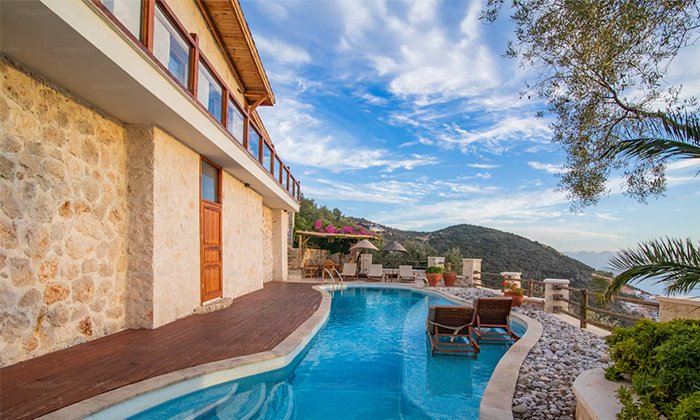
A well-designed swimming pool can transform an ordinary outdoor area into an attractive and relaxing space that adds beauty, functionality, and value to a property. Whether it is being planned for a private residence, a luxury home, a hotel, a resort, or a commercial facility, a swimming pool offers more than a place to swim. It can become the central feature of an outdoor entertainment area, provide opportunities for exercise, and create a comfortable environment for spending time with family and friends. However, achieving an attractive and practical result requires careful planning, thoughtful material selection, and an understanding of how different design elements work together.
Modern swimming pools are available in many shapes, sizes, and styles. Some property owners prefer traditional rectangular pools with clean lines, while others choose freeform designs that blend naturally with landscaping. Infinity edges, geometric layouts, infinity-style water features, integrated spas, and contemporary lighting systems can create distinctive visual effects. The best design depends on the available space, intended use, architectural style, maintenance expectations, and overall project budget.
Planning a swimming pool involves several important decisions, including selecting its location, determining the appropriate dimensions, choosing construction materials, designing surrounding spaces, and incorporating suitable filtration and circulation systems. Safety, drainage, accessibility, and long-term maintenance should also be considered from the beginning. A professionally planned pool can provide a balance between visual appeal and everyday functionality, ensuring that the finished space remains enjoyable and practical for years. Understanding the essential elements of swimming pool design can help property owners make informed decisions and create an outdoor environment that meets their expectations.
Understanding the Importance of Good Swimming Pool Design
A successful swimming pool design combines appearance, comfort, safety, and functionality. While an attractive shape and beautiful finishes can improve the overall appearance of a property, the technical features behind the design are equally important. Proper dimensions, water circulation, structural strength, and surrounding drainage all contribute to the performance of the finished pool.
One of the main advantages of thoughtful planning is that it allows the pool to complement the existing property rather than appearing disconnected from its surroundings. The pool’s shape, color, materials, and surrounding landscaping should work together with the architectural style of the building.
Functionality is another important consideration. A pool intended for regular exercise may require a longer swimming area, while a family pool may benefit from different water depths and comfortable seating areas. A pool designed primarily for entertainment may include shallow lounging sections, decorative water features, and attractive outdoor seating.
Proper planning also helps avoid unnecessary expenses. Changes made during construction can be more expensive than decisions finalized during the design stage. By considering the intended use, site conditions, equipment requirements, and maintenance needs in advance, property owners can develop a more organized project.
Popular Swimming Pool Design Styles
Different swimming pool styles offer unique visual characteristics and practical advantages. Selecting the right design depends on the available space, architectural preferences, and how the pool will be used.
Modern Geometric Pools
Geometric pools are popular in contemporary residential and commercial properties because of their clean lines and organized appearance. Rectangular, square, and other symmetrical shapes create a structured look that works particularly well with modern architecture.
These designs are often paired with minimalist landscaping, stone paving, neutral-colored finishes, and integrated lighting. Their straightforward shapes can also make it easier to organize swimming lanes, steps, and surrounding seating areas.
Rectangular pools are particularly suitable for property owners who enjoy swimming regularly because they provide a continuous swimming area with predictable dimensions.
Freeform Swimming Pools
Freeform pools feature flowing curves and irregular outlines that create a more natural appearance. They are often designed to complement gardens, landscaped outdoor spaces, and properties with organic architectural features.
These pools can include curved edges, integrated rock features, decorative planting areas, and gentle transitions between different sections.
Their flexible shapes allow designers to work around existing trees, garden features, and unusual property layouts. However, careful planning is important to ensure that the swimming area remains practical and that circulation and cleaning equipment can operate effectively.
Infinity Edge Pools
Infinity pools create the appearance of water extending toward the surrounding landscape. They are commonly associated with luxury properties, hotels, resorts, and buildings with attractive views.Their distinctive design uses a carefully engineered overflow edge that allows water to flow into a collection channel before being circulated back into the pool.
An infinity edge can create a dramatic visual effect, especially when positioned near an open landscape or elevated viewpoint. However, this design generally requires additional structural engineering, water collection systems, and specialized maintenance.
Natural-Style Swimming Pools
Natural-style pools are designed to blend with their surroundings through organic shapes, natural-looking finishes, stone features, and carefully selected plants.Some designs use dedicated biological filtration areas, while others combine natural aesthetics with conventional pool filtration equipment.
This style can create a peaceful outdoor environment and is particularly attractive for properties with extensive gardens and landscaped spaces.
Plunge Pools
Plunge pools are compact swimming pools designed primarily for relaxation, cooling off, and recreational use rather than extended swimming.They are suitable for smaller properties, courtyards, rooftop spaces, and outdoor areas where a traditional swimming pool may not fit.
Although smaller in size, plunge pools can include attractive finishes, seating areas, heating systems, and water features. Their compact dimensions can also make them easier to incorporate into carefully planned outdoor layouts.
Choosing the Right Pool Shape and Size
The shape and dimensions of a swimming pool should reflect the available space and the intended activities. A design that looks attractive in a photograph may not necessarily be suitable for every property.
Before selecting a shape, property owners should consider the size of the outdoor area, the position of the building, existing landscaping, and the amount of space required for walkways and seating.Rectangular pools are often suitable for swimming and exercise, while curved and freeform designs may provide more flexibility for recreational layouts.
Pool depth should also be carefully considered. A family-oriented design may include shallow areas for supervised recreational use and deeper sections where appropriate. The depth should be determined according to the intended activities, applicable safety requirements, and the pool’s construction design.
It is equally important to leave enough space around the pool for safe movement, furniture, maintenance access, and other outdoor features. A pool should complement the property without making the surrounding area feel overcrowded.
Selecting the Right Pool Construction Materials
The construction material affects the appearance, durability, installation process, and maintenance requirements of a swimming pool. Different materials offer different benefits, so the choice should be based on the project requirements and professional recommendations.
Concrete Swimming Pools
Concrete pools offer considerable design flexibility because they can be constructed in a wide range of shapes, sizes, and depths.They are particularly suitable for customized projects where property owners want unique layouts, integrated steps, seating areas, or special architectural features.
Concrete surfaces can be finished with different materials, including plaster, tiles, and other suitable coatings. However, these pools generally require careful structural design and appropriate waterproofing.
Fiberglass Swimming Pools
Fiberglass pools are manufactured as preformed shells and installed into prepared excavations. They are available in various shapes and sizes, allowing property owners to choose from established designs.Their smooth surfaces can be relatively easy to clean, and installation may be faster than certain customized construction methods.
However, the available dimensions and shapes are limited by the manufacturer’s product range and transportation requirements.
Vinyl-Lined Swimming Pools
Vinyl-lined pools use a flexible liner installed over a prepared supporting structure. They are available in different shapes and designs, depending on the construction system.The liner provides the finished interior surface and can be available in different colors and patterns.
Although vinyl-lined pools can offer flexibility in appearance and initial construction costs, the liner may eventually require replacement. Property owners should understand the expected maintenance requirements before selecting this option.
Pool Tiles and Decorative Finishes
The interior finish plays an important role in the overall appearance of a swimming pool. Glass mosaic tiles can create reflective surfaces and attractive patterns, while ceramic and porcelain tiles provide a wide variety of colors and textures.
Natural stone can add an elegant appearance to pool surrounds and selected design features, provided that the material is suitable for wet environments.Finishes should be selected with attention to durability, water compatibility, cleaning requirements, and slip resistance in surrounding walking areas.
Essential Features That Improve Pool Design
Modern swimming pools can include several features that improve convenience, comfort, and visual appeal. The most appropriate options depend on the pool’s purpose, available space, and project budget.
Waterfalls and Decorative Water Features
Waterfalls and decorative water features can create movement, sound, and visual interest. They are commonly incorporated into contemporary pools, landscaped gardens, and luxury outdoor entertainment spaces.Some designs use raised walls with water flowing into the pool, while others include small fountains or cascading stone features.
These elements should be designed with appropriate circulation equipment and maintenance access. Water features can also increase evaporation and operating requirements, which should be considered during planning.
Integrated Pool Lighting
Lighting can significantly change the appearance of a swimming pool after sunset. Underwater LED lights, surrounding pathway lights, and landscape illumination can create an attractive atmosphere while improving visibility.
Modern lighting systems are available in different colors and brightness levels. Some can be controlled through compatible automation systems.
Electrical installations around swimming pools require particular care. Suitable equipment, professional installation, grounding, and protective devices are essential for safety.
Built-In Seating and Relaxation Areas
Built-in benches, shallow lounging areas, and tanning ledges can make a swimming pool more comfortable and versatile.These features provide places for relaxation without requiring users to leave the water. They can also help create separate activity zones within a larger pool.
Their dimensions, depth, and positioning should be planned carefully to maintain comfortable movement and safe access.
Integrated Spa Features
Some swimming pool designs include a connected spa or hot tub. This arrangement creates a combined recreational and relaxation area.An integrated spa may include dedicated heating, water circulation, seating, and jet systems.
Because the spa and swimming pool may have different temperature and operating requirements, the mechanical design should be planned by experienced professionals.
Planning the Surrounding Pool Landscape
The surrounding landscape is an important part of the overall swimming pool design. Even a beautifully constructed pool may feel incomplete if the surrounding space is poorly organized.Landscaping should create a natural connection between the pool, the building, and the rest of the outdoor area. Suitable plants, decorative stones, pathways, and outdoor furniture can improve the overall appearance.
Plant selection requires careful consideration. Trees that drop excessive leaves, produce invasive roots, or create heavy maintenance requirements may not be suitable close to the pool.
Walkways should provide convenient access while using materials appropriate for wet outdoor environments. Slip-resistant surfaces are especially important around entrances, steps, and frequently used walking areas.Outdoor seating can include weather-resistant chairs, loungers, tables, and shaded relaxation spaces. Pergolas and shade structures may also improve comfort during hot weather.
The landscape design should also allow sufficient access for cleaning equipment, filtration systems, and other maintenance requirements.
Pool Filtration and Water Circulation Systems
Water quality is one of the most important considerations in swimming pool construction. A well-designed filtration and circulation system helps remove suspended particles, distribute treated water, and maintain suitable operating conditions.Common filtration options include sand filters, cartridge filters, and diatomaceous earth systems. Each has different operating and maintenance requirements.
Pumps circulate water through the filtration system and return it to the pool. Their capacity should be selected according to the pool’s volume, plumbing layout, and intended operating schedule.
Water treatment is also necessary to maintain appropriate sanitation. Depending on the selected system, treatment may involve chlorine, saltwater chlorination, or other approved sanitation methods.The complete system should be designed by qualified pool professionals. Proper equipment sizing, accessible installation, suitable pipework, and routine servicing contribute to dependable operation.
Pool Safety and Accessibility Considerations
Safety should be considered throughout the design and construction process rather than added as an afterthought. Swimming pools create particular risks for children, inexperienced swimmers, and visitors who may not be familiar with the surroundings.Appropriate barriers, self-closing gates, secure access points, and suitable supervision arrangements can help reduce accidental access.
Pool steps, handrails, depth markings, and clear transitions between different water depths also contribute to safer use.The surrounding surfaces should provide suitable traction when wet. Electrical equipment should be installed according to applicable safety standards, and lighting should provide adequate visibility around entrances and pathways.
For properties intended to accommodate older adults or people with mobility limitations, accessibility features may include suitable steps, handrails, entry systems, and accessible changing facilities.
Property owners should consult qualified professionals regarding local building regulations, pool barriers, electrical requirements, and other applicable safety standards.
Energy-Efficient Pool Design
Energy efficiency is becoming an increasingly important consideration in swimming pool projects. Pumps, heating systems, lighting, and water features can all contribute to operating expenses.
Variable-speed pumps can help reduce electricity consumption by adjusting their operating speed according to system requirements. Energy-efficient lighting, particularly LED systems, can also reduce ongoing power usage.
Pool covers are useful for reducing evaporation and heat loss. They can also help limit debris entering the water, reducing some cleaning requirements.Solar heating may be suitable for certain properties, depending on roof orientation, sunlight exposure, climate, and available installation space.
Equipment should be selected according to the pool’s actual requirements rather than simply choosing the largest available system. A properly designed installation can provide reliable performance without unnecessary energy consumption.
Residential and Commercial Swimming Pool Design
Swimming pool requirements can vary considerably between private homes and commercial facilities.
Residential pools are generally designed around household activities, available outdoor space, personal preferences, and maintenance expectations. Some homeowners prioritize exercise, while others prefer family recreation, relaxation, or entertainment.
A residential project may include a compact plunge pool, a traditional rectangular layout, or a customized outdoor swimming area with integrated landscaping.Commercial swimming pools are designed to accommodate more frequent use and potentially larger numbers of swimmers. Hotels, resorts, fitness facilities, educational institutions, and recreational centers may require additional consideration of circulation capacity, water treatment, accessibility, changing facilities, and safety management.
The intended users and operating requirements should determine the final layout. Commercial installations may also require more extensive technical planning and ongoing maintenance arrangements.
Understanding the Cost of a Swimming Pool Design Project
The total cost of a swimming pool project depends on several factors, including the pool’s dimensions, construction method, materials, design complexity, and site conditions.Concrete pools with customized shapes and decorative features may require more extensive construction work than simpler standardized designs.
Excavation, soil conditions, structural reinforcement, waterproofing, plumbing, electrical installation, and filtration equipment can all influence the budget.Additional features such as waterfalls, integrated spas, heating systems, automatic covers, and specialized lighting can increase the overall investment.
Landscaping and surrounding construction should also be included in the project budget. Decking, paving, retaining walls, outdoor seating, and shade structures may represent a significant part of the completed installation.Property owners should request a detailed estimate that separates construction, equipment, finishing, landscaping, and ongoing maintenance costs. This makes it easier to compare proposals and avoid unexpected expenses.
Choosing a Professional Pool Design and Installation Company
Selecting the right contractor is essential for achieving a swimming pool that is attractive, functional, and structurally reliable.An experienced company should understand pool construction, structural engineering, waterproofing, plumbing, electrical systems, and filtration requirements. It should also have experience with the type of pool being planned.
Before selecting a provider, property owners should review previous projects, examine customer feedback, and ask about relevant qualifications and insurance.A professional design consultation should include an assessment of the available space, discussion of the intended use, and recommendations regarding appropriate materials and equipment.
The contractor should also provide a clear project proposal explaining the construction stages, expected schedule, materials, equipment, and costs.Written agreements are important because they clarify the responsibilities of the contractor and property owner. Warranty coverage, maintenance guidance, and after-installation support should also be discussed.Choosing an experienced provider can help reduce construction mistakes and ensure that important technical details receive proper attention.
Maintaining Your Swimming Pool After Installation
Regular maintenance is necessary to keep a swimming pool clean, safe, and functional. Even a professionally constructed pool requires ongoing attention to water quality, filtration equipment, and surrounding surfaces.
Water chemistry should be checked regularly to maintain appropriate sanitizer levels and balanced pH. Improper water conditions can affect swimmer comfort, damage pool surfaces, and reduce equipment performance.Skimming the water surface helps remove leaves, insects, and other debris. Pool walls and floors should also be cleaned to prevent the accumulation of dirt and algae.
Filters require periodic cleaning or servicing according to the manufacturer’s instructions. Pumps, valves, lighting systems, and other equipment should be inspected to identify leaks, unusual noises, or performance problems.The surrounding area should also be maintained. Decking, drainage channels, furniture, and safety barriers should be inspected regularly to ensure that they remain in good condition.A consistent maintenance schedule can help protect the investment and extend the useful life of the pool and its equipment.
Common Pool Design Mistakes to Avoid
Several mistakes can affect the functionality, appearance, and long-term maintenance of a swimming pool. One common issue is selecting a design that does not match the available outdoor space. An oversized pool may leave insufficient room for walkways, seating, landscaping, and equipment access.
Another mistake is focusing entirely on appearance while overlooking circulation and filtration requirements. Poorly designed water movement can create maintenance challenges and affect water quality.Choosing unsuitable surrounding materials can also create problems. Slippery surfaces, poor drainage, and materials that deteriorate when exposed to water may affect the safety and appearance of the pool area.
Insufficient attention to safety barriers, electrical installations, and access arrangements can introduce avoidable risks.Finally, ignoring maintenance costs during the planning stage may lead to higher-than-expected operating expenses. A successful project should consider both the initial construction investment and the long-term cost of ownership.
Conclusion
A thoughtfully planned swimming pool can enhance the appearance, comfort, and functionality of a residential or commercial property. From modern geometric layouts and natural-style pools to infinity edges and compact plunge pools, there are many design possibilities to suit different spaces and preferences.
Successful pool design construction requires careful attention to shape, dimensions, materials, filtration, circulation, safety, landscaping, and maintenance. Additional features such as integrated lighting, waterfalls, built-in seating, and energy-efficient equipment can further improve the overall experience when selected appropriately.
Working with experienced design and installation professionals helps ensure that the finished pool meets both aesthetic and technical requirements. Property owners should also plan for regular cleaning, water treatment, and equipment servicing to maintain reliable performance.
By making informed decisions during the planning stage and prioritizing quality throughout construction, it is possible to create a swimming pool that provides lasting enjoyment, complements the surrounding property, and offers a comfortable space for recreation and relaxation.

How Newsrooms Can Use AI Drafting Without Losing Editorial Standards

A Practical Guide to Organizing Records for a U.S. Investor Immigration Case

How to Prepare a Used Boat for Sale: A Clear Checklist for Owners

Commercial Rooftop Solar Installation in Phoenix: A Complete Guide for Business Owners

11 Creative Ways to Decorate Your Home with Willow Storage Baskets

John Leguizamo Net Worth: His Wealth, Income, and Real Estate

Ethan Suplee Net Worth: How the Famous Actor Made His Millions

Juice WRLD Net Worth: His Music, Millions, and Lasting Fame

Will Tennyson Net Worth: How Much Does the Fitness Star Make?

Maitland Ward Net Worth: How She Built Her $4 Million Fortune

Buying Property Through Your Super? Run an SMSF Loan Calculator Before You Call a Broker

How to Make Kofta Kebabs at Home Without Overthinking It

NF Net Worth: How the Rapper Turned Pain Into Millions

Naomi Burton-Crews: The Heartwarming Story of Terry Crews’ Eldest Child

Michele Morrone Net Worth: His Salary, Earnings, and Rich Life

Who Is Ariane Bourdain? All About Anthony Bourdain’s Daughter

Oleksandra Zelenska: Who Is Volodymyr Zelensky’s Daughter?

How Interactive Step-by-Step Guides Make Tech Easier to Learn

Who Is Leonard Francois? Meet Naomi Osaka’s Father and First Tennis Coach

Hi3D: Accelerating Creative Prototyping with AI-Powered 3D Design
How Newsrooms Can Use AI Drafting Without Losing Editorial Standards
A Practical Guide to Organizing Records for a U.S. Investor Immigration Case
How to Prepare a Used Boat for Sale: A Clear Checklist for Owners
Commercial Rooftop Solar Installation in Phoenix: A Complete Guide for Business Owners
11 Creative Ways to Decorate Your Home with Willow Storage Baskets
John Leguizamo Net Worth: His Wealth, Income, and Real Estate
Ethan Suplee Net Worth: How the Famous Actor Made His Millions
Juice WRLD Net Worth: His Music, Millions, and Lasting Fame
Will Tennyson Net Worth: How Much Does the Fitness Star Make?






