
Lifestyle
A Complete Annapurna Trekking Guide: Itineraries, Altitude, Accommodation and Trail Conditions

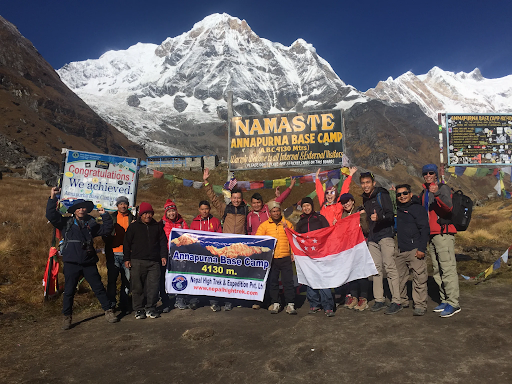
Planning an Annapurna Trek That Fits Your Time and Expectations
Most people start planning an Annapurna trek the same way. They find two names, count the days, and try to guess which one suits them. It’s understandable, but it only gets you halfway. The 7 Days Annapurna Base Camp Trek and the Annapurna Circuit Trek aren’t a short and a long version of the same walk. They’re different journeys, with different altitudes, different villages and very different demands on your body.
So before you book anything, it helps to know how high you’ll sleep, how far you’ll walk each day, what the teahouses are really like and what the trail looks like in your travel month. The scenery changes a lot too. You begin among green foothills and farming villages, then climb into alpine valleys with snow peaks on every side. This guide covers all of it, so you can pick a route you’ll actually enjoy finishing.
Discovering the Annapurna Region: Landscapes, Communities and Culture
The Annapurna Conservation Area packs an enormous range of terrain into a small space. Low down you walk through subtropical forest and terraced fields of rice, millet and corn. Climb for a few days and the air cools, the trees thin out, and you’re in alpine valleys with glaciers hanging above the trail.
People live all the way through it. Gurung villages such as Ghandruk and Chhomrong are known for stone houses, slate roofs and a long tradition of service in the Gurkha regiments. Thakali families run many of the lodges further north, and around Manang and Muktinath the Tibetan influence is obvious: monasteries, prayer flags and long mani walls that you pass with the wall on your right. Muktinath also holds an important Hindu temple.
Food and hospitality follow the geography. Barley, buckwheat and potatoes turn up where rice won’t grow. A village here isn’t scenery, it’s the reason the trail exists.
7 Days Annapurna Base Camp Trek: Route and Daily Walking
Understanding the Seven-Day Route
A seven-day schedule usually starts with an early drive from Pokhara to Nayapul or a little further, then a climb towards Ghandruk or Chhomrong. From Chhomrong the trail drops to a river, climbs again through Bamboo and Deurali, and reaches Machhapuchhre Base Camp at roughly 3,700 metres before the final push. The exact stops vary by operator and by how far the vehicle can go that day.
Expect suspension bridges, rhododendron and bamboo forest, small settlements and, honestly, a lot of stone steps. Thousands of them. The ups and downs around Chhomrong surprise most people, and they’re hard on their knees.
Reaching Annapurna Base Camp
Annapurna Base Camp sits at about 4,130 metres inside the Annapurna Sanctuary, a high basin ringed by Annapurna I, Machhapuchhre, Hiunchuli and Gangapurna. After days of forest, stepping into that open, snowy bowl feels like walking into an amphitheatre.
The catch is pace. Seven days only works if daily hours and altitude gain stay realistic, and that depends on your starting point, your transport and how quickly you walk. It suits travellers with limited holiday who still want a proper Himalayan walk. Just don’t expect much spare time if the weather turns.
Annapurna Circuit Trek: Valleys, Villages and a High Mountain Pass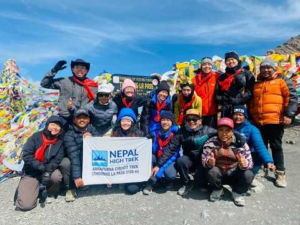
The Annapurna Circuit is a much bigger undertaking. It loops around the Annapurna massif, moving from the green, forested Marsyangdi valley into the dry, windswept country beyond Manang, over the Thorong La pass and down the Kali Gandaki valley. Landscape and culture shift every couple of days.
The Full Annapurna Circuit Itinerary
Here’s a typical 12-day plan. Roads now run along much of the route, so many trekkers drive the first stretch rather than walk it. Distances and timings vary with your pace.
Days 1 to 5: Up the Marsyangdi Valley
- Day 1: drive from Kathmandu or Pokhara to Besisahar, then on to Jagat (about 1,300 m).
- Day 2: trek to Dharapani (about 1,860 m).
- Day 3: walk to Chame (about 2,670 m), where the mountains open up.
- Day 4: continue to Upper Pisang (about 3,300 m).
- Day 5: reach Manang (about 3,540 m).
Days 6 to 9: Acclimatising and Crossing Thorong La
- Day 6: rest and acclimatise in Manang with a short side walk, such as the Gangapurna viewpoint.
- Day 7: climb to Yak Kharka (about 4,000 m).
- Day 8: go on to Thorong Phedi (about 4,450 m) and rest early.
- Day 9: cross Thorong La (5,416 m) and descend to Muktinath (about 3,800 m).
Days 10 to 12: Down the Kali Gandaki Valley
- Day 10: walk or drive via Kagbeni to Jomsom (about 2,720 m).
- Day 11: fly or drive to Pokhara.
- Day 12: return to Kathmandu, or keep this day as a buffer.
Crossing Thorong La
Thorong La is the high point, and the day is long. You start in the dark, push through cold wind, and then face a descent of about 1,600 metres to Muktinath. The rest day in Manang is what makes this realistic. Skip it and you’re gambling.
Beyond the pass, Muktinath draws Hindu and Buddhist pilgrims, and the Mustang side feels like another country, with arid cliffs, Kagbeni and the apple orchards around Marpha. The route suits people with two weeks or more who want variety, not just a summit.
Choosing the Right Number of Days
Seven days for Annapurna Base Camp and roughly twelve to fourteen for the Circuit are starting points, not rules. Your start point, how much road you use, your walking pace and your acclimatisation all move the number. A short base camp itinerary can work, but only with careful daily planning, and squeezing it tighter is where problems start. The Circuit needs more time simply because it’s longer and finishes with a 5,416-metre pass.
Add a buffer too. One or two spare days cover bad weather, a delayed jeep or a landslide on the road, and flights out of Jomsom are often held up by wind. Pick the plan you can really do, not the shortest package on the page.
Altitude and Acclimatisation: What to Know Before You Walk
The higher you go, the less oxygen each breath delivers. Annapurna Base Camp reaches about 4,130 metres, while Thorong La is more than 1,200 metres higher. That gap is why the Circuit builds in a rest day at Manang and the base camp trek has so little room for one.
A common guideline is that above roughly 3,000 metres you should raise your sleeping altitude by no more than 300 to 500 metres a day, with a rest day every 1,000 metres or so. Watch for headache, nausea, dizziness, poor sleep and unusual tiredness. If symptoms are getting worse, stop climbing. If they don’t ease, go down and get medical help.
Fitness helps, so build it with regular walking, stair climbing, hill training and cardio over a few months. But it doesn’t protect you. Strong, fit people get altitude sickness too. It’s also worth asking your doctor about medication before you leave.
Accommodation and Food in Annapurna Teahouses
Teahouses are family-run lodges, and your nightly spend helps keep mountain villages going. Rooms are basic: twin beds, a mattress and a blanket, with shared bathrooms. The dining room is often the only warm space, so people gather there in the evening. Lower villages tend to have bigger lodges and sometimes hot showers, while higher settlements are simpler, colder and offer fewer choices.
Meals are hearty. Dal bhat comes with refills, and you’ll also find vegetable curry, noodle soup, momos and Tibetan bread. Boiled water, device charging, Wi-Fi and hot showers usually cost extra, and prices climb with altitude. Carry plenty of cash in rupees, because ATMs stop at the larger towns. Keep your expectations modest and you’ll be happily surprised.
Trail Conditions and Best Seasons for Annapurna Trekking
Spring (March to May) and autumn (September to November) are the main seasons. In spring the lower forests flower with rhododendron, though afternoon cloud and shifting temperatures at height are common. Autumn usually brings the clearest views and steadiest conditions, and also the biggest crowds.
The monsoon brings heavy rain, muddy trails, leeches in the lower forests and a real landslide risk, even though the dry country beyond Manang sits in a rain shadow. Winter means snow and freezing nights, Thorong La can become impassable, and the stretch above Deurali on the base camp route can be avalanche-prone after heavy snow.
The surface keeps changing too: forest paths, stone staircases, exposed ridges and, higher up, loose rock and snow. Check the forecast and ask your lodge or agency about current trail conditions before you set off.
Permits, Transportation, Guides and Trekking Arrangements
Both treks lie within the Annapurna Conservation Area, so you need an ACAP permit, and possibly other documents. Rules on permits and guides have changed in recent years, so always check what applies when you travel. Getting there is straightforward: Kathmandu to Pokhara by tourist bus or flight, then a drive to Nayapul for the base camp trek, or to Besisahar and beyond for the Circuit.
A guide handles navigation, language and lodge bookings, and can spot altitude trouble early. A porter carries the heavy load. Nepal Highl Trek is one local company travellers can consider for guidance and arrangements. Whoever you pick, confirm permits, transport times and exactly what’s included before you start walking.
Which Annapurna Trek Is Right for You?
Choose the 7 Days Annapurna Base Camp Trek if your holiday is short and you want the Annapurna Sanctuary and its mountain scenery. Choose the Annapurna Circuit Trek if you have more time and want cultural variety, changing landscapes and a high pass.
Weigh fitness, available days, altitude tolerance and the kind of trip you picture. A good itinerary reflects how prepared you are, not just what’s popular or how long it takes.
Prepare Well and Experience the Annapurna Mountains
Itineraries, altitude, teahouse life and seasonal trails all shape the trip. Both routes give a distinct taste of Annapurna. Pick the one that fits your interests, your time and your preparation, then go and enjoy it.

Beauty in the Details: Why Modern Dental Veneers Are Changing the Conversation Around Fashion, Confidence and Oral Care

Signs Your Kitchen Needs Maintenance Before It Needs a Renovation

How Slim Phone Cases Balance Style and Everyday Protection

Why Aramid Fiber Is Becoming a Premium Phone Case Material

Trousers at €95 and €120 on a Ten-Piece Rail

Trousers at €61 or €105 on an Eight-Piece Rail

A Complete Annapurna Trekking Guide: Itineraries, Altitude, Accommodation and Trail Conditions

Emotional and Practical Tips for Moving Into a Senior Community

The Design Secrets Behind Eye-Catching Glass Recognition Awards

Stress, Burnout and Substance Abuse: Understanding the Connection

How to Make Kofta Kebabs at Home Without Overthinking It

Beyond the Interior: Home Improvements That Transform Your Entire Property

Building a Competitive Online Presence with Link Building Services and SEO Packages

Competitor Sentiment Analysis: 7 Tools to Stop Guessing

Phoenix’s Construction Boom Is Changing How Workers, Drivers, and Businesses Share Urban Space

Spider Web Graphics in Fashion From Halloween to Streetwear

Sean Hannity Net Worth: Inside His Wealth, Career and Homes

Brez Scales Net Worth: How TikTok ,YouTube and Business Made Him Rich

John Abraham Hewson: What We Know About Bono’s Youngest Son

Building Coherent Multi-Object Scenes Through Seeworld Spatial Planning
Beauty in the Details: Why Modern Dental Veneers Are Changing the Conversation Around Fashion, Confidence and Oral Care
Signs Your Kitchen Needs Maintenance Before It Needs a Renovation
How Slim Phone Cases Balance Style and Everyday Protection
Why Aramid Fiber Is Becoming a Premium Phone Case Material
Trousers at €95 and €120 on a Ten-Piece Rail
Trousers at €61 or €105 on an Eight-Piece Rail
A Complete Annapurna Trekking Guide: Itineraries, Altitude, Accommodation and Trail Conditions
Emotional and Practical Tips for Moving Into a Senior Community
The Design Secrets Behind Eye-Catching Glass Recognition Awards






