
Home Improvement
Signs Your Kitchen Needs Maintenance Before It Needs a Renovation

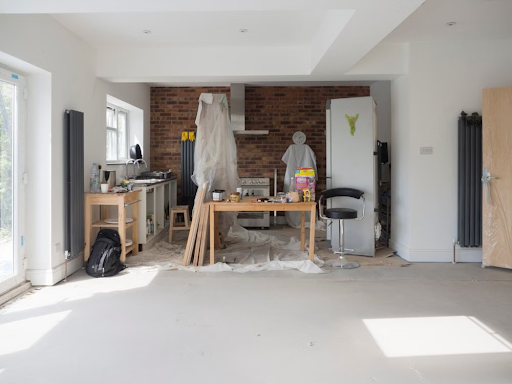
It may seem time to start replacing various elements if your kitchen is looking a little worn and harder to use. However, it’s worth investigating a bit further to see what state various parts are in.
A stuck drawer, worn worktop or sink stain can make the kitchen seem ready for replacement. Some issues only need simple repairs, while others may signal deeper damage.
It’s helpful to know which is which, and which problems to address first.
What you’ll learn:
- Spot the Difference Between Wear and Damage
- When Wood Looks Dry or Worn
- Water Marks That Need More Than a Wipe
- Doors, Drawers and Seals That Stop Working
- Make Repairs in the Right Order
- When Renovation Is the Better Choice
- Wrapping It Up
Spot the Difference Between Wear and Damage
How does it compare to its original appearance, and does anything function less well than when new or last repaired? Discolouration or general dullness may be all that’s wrong, so the piece may be structurally intact. On the other hand, a soft base to a unit following water ingress could be very undesirable even with an unremarkable exterior.
Is it just general dullness, is a particular function impaired, or are there signs of an ongoing process? General deterioration will not necessarily warrant a full-scale renovation project. According to Houzz, 38% of renovating homeowners did so because of deterioration and poor functioning of elements in the kitchen. This covers all stages from completed projects to intentions only.
So it pays to investigate the underlying cause or causes and so gauge the scale of remedial work needed, from general maintenance to repair of underlying structure.
When Wood Looks Dry or Worn
Many items will show signs of dryness and wear on the surface well before any impairment of their function. For example, dull cabinet fronts, a worn area on a wooden worktop where much preparation is done, a light colour and ‘dry’ appearance of a well-washed chopping board.
It would be premature to apply a new top layer or layers of varnish or other product without first washing and air-drying as appropriate for the particular article, and inspecting for any significant cracks, separations of joined pieces and other soft areas. These would be a much more serious matter than general surface deterioration.
Provided it is otherwise unharmed, applying an appropriate moisture-resistant wood finish may be beneficial to limit the effects of spillages, washing, general wear and so on. Cabinet varnish, worktop treatments and cutting-board products are not interchangeable.
RMP Finishes cutting board wax will be suitable for some wooden items used in food preparation. The manufacturer advises applying a small amount to clean, dry wooden kitchenware, allowing it to sit briefly and then buffing it with a clean cloth. Follow the product directions for any additional precautions.
Regular washing is still required to keep such articles as chopping boards as hygienic as possible, and no amount of waxing will overcome major cracking or other features making thorough washing difficult. At some point replacement would be advisable.
Water Marks That Need More Than a Wipe
Discolouration to a small area may easily be overlooked, but continued spillage or leakages to various parts of units, floor and the edges of worktops could well lead to considerable damage to underlying and hidden areas.
It’s therefore worthwhile examining all areas likely to be affected by water from the various supply and waste pipes, around the perimeter of an under- or over-counter dishwasher, sink to worktop junction and similar. A musty smell, lifting laminate, distorted cabinets or persistent dampness all call for further investigation.
Next, find out where the water is coming from. Leaking pipe connections, inadequate or perished seals, spillage, washing and so on may all contribute. Any leaks should be remedied, ideally immediately, and the area or areas allowed to dry as far as is practicable, rather than sealing and masking them.
Moisture should be remedied and areas dried as soon as practically possible, to limit mold development according to the US EPA, which also recommends against masking mold with paint or similar.
Persistent staining after appropriate washing and drying would suggest an underlying problem or problems. Actual growth of mold, continuing water sources, general softening of lower cabinet areas, are all causes to seek further expert advice. New silicone sealant cannot strengthen damaged material.
Doors, Drawers and Seals That Stop Working
These faults can make a kitchen frustrating to use, even when the cabinets themselves are sound. Doors may bind, be mis-hung, drawers may be difficult to slide in and out, and fittings may be loose.
All doors, flaps and drawers should be carefully examined, slowly opened and closed to identify where any sticking occurs; whether adjacent items interfere, and the state of the fittings and surrounding area to which they attach. As far as possible, appropriate action could be taken such as:
- tighter fixings for handles, and similar, being careful not to further damage existing holes
- adjust sound hinges and other fittings until the door hangs properly
- remove obstructions and check drawer runners for damage or distortion
- removal and replacement of perished or cracked silicone or other sealing material, after addressing any cause of dampness
More substantial repair or replacement would be required in cases of damaged runners and boxes, or badly distorted units.
But in each case it seems reasonable to replace only the offending part or parts, rather than a much greater area.
Make Repairs in the Right Order
Having established all defects requiring attention, it would be misguided to approach them with the sole aim of getting the best-looking result most quickly. Deal first with problems that could cause more damage.
Thus a broad guide would be:
- remedy any obvious continuing water problems, and have appropriate works done by others
- allow everything to dry, and check extent to which adjacent areas have been impaired
- service, adjust, replace doors, drawers, runners and similar
- wash, and apply various products to wooden and other areas, as appropriate in each case
- continue to monitor previously defective areas for recurrence
Take photos before repairs so you can compare the results or show recurring problems to a tradesperson.
Ideally defects would be remedied and not simply masked, for example, under new paint.
When Renovation Is the Better Choice
Local repairs make sense when the surrounding cabinets remain sound. It may be more sensible to replace a number of units extensively damaged by damp, for example, and in any event wider areas of damage would necessitate expert views on what other areas may be salvageable.
Equally there may be no identifiable defects but insufficient suitable preparation areas, inconvenient arrangements, or inadequate or unsuitable storage facilities. None would be remedied by service and repair.
It’s beneficial to be aware of the extent of repairs needed before deciding upon other changes desired, both to avoid excessive expenditure to rectify minor defects, and not to under-estimate more major ones.
Wrapping It Up
A kitchen can look worn without needing a full renovation. Many surface and fitting problems can be repaired on their own. It is sensible to identify all defects, first address all causes and effects of dampness, and then undertake remedial work as seems appropriate. More extensive works may then be justified, dependent on degree of damage and other layout considerations.

Beauty in the Details: Why Modern Dental Veneers Are Changing the Conversation Around Fashion, Confidence and Oral Care

Signs Your Kitchen Needs Maintenance Before It Needs a Renovation

How Slim Phone Cases Balance Style and Everyday Protection

Why Aramid Fiber Is Becoming a Premium Phone Case Material

Trousers at €95 and €120 on a Ten-Piece Rail

Trousers at €61 or €105 on an Eight-Piece Rail

A Complete Annapurna Trekking Guide: Itineraries, Altitude, Accommodation and Trail Conditions

Emotional and Practical Tips for Moving Into a Senior Community

The Design Secrets Behind Eye-Catching Glass Recognition Awards

Stress, Burnout and Substance Abuse: Understanding the Connection

How to Make Kofta Kebabs at Home Without Overthinking It

Beyond the Interior: Home Improvements That Transform Your Entire Property

Building a Competitive Online Presence with Link Building Services and SEO Packages

Competitor Sentiment Analysis: 7 Tools to Stop Guessing

Phoenix’s Construction Boom Is Changing How Workers, Drivers, and Businesses Share Urban Space

Spider Web Graphics in Fashion From Halloween to Streetwear

Sean Hannity Net Worth: Inside His Wealth, Career and Homes

Brez Scales Net Worth: How TikTok ,YouTube and Business Made Him Rich

John Abraham Hewson: What We Know About Bono’s Youngest Son

Building Coherent Multi-Object Scenes Through Seeworld Spatial Planning
Beauty in the Details: Why Modern Dental Veneers Are Changing the Conversation Around Fashion, Confidence and Oral Care
Signs Your Kitchen Needs Maintenance Before It Needs a Renovation
How Slim Phone Cases Balance Style and Everyday Protection
Why Aramid Fiber Is Becoming a Premium Phone Case Material
Trousers at €95 and €120 on a Ten-Piece Rail
Trousers at €61 or €105 on an Eight-Piece Rail
A Complete Annapurna Trekking Guide: Itineraries, Altitude, Accommodation and Trail Conditions
Emotional and Practical Tips for Moving Into a Senior Community
The Design Secrets Behind Eye-Catching Glass Recognition Awards






