
Blog
How Slim Phone Cases Balance Style and Everyday Protection

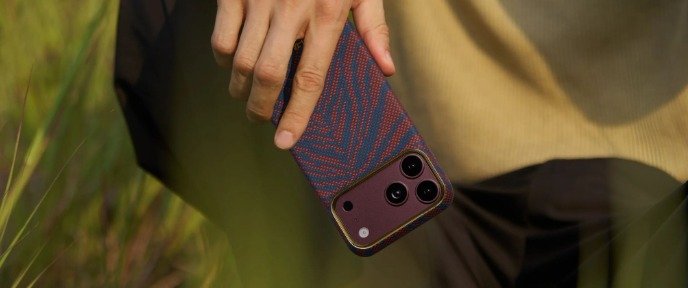
A slim phone case works best when it solves the small problems of daily carrying without making the phone cumbersome. It can cover contact surfaces, add a different texture and preserve a familiar shape. The balance depends on where the case places material, particularly around the corners, screen and camera.
An aramid fiber phone case, such as those in PITAKA’s range, is one route to a close-fitting shell. A model-specific aramid fiber iphone 17 pro case brings the decision into focus: comfort matters, but so do the openings and edges designed for that particular phone.
3 details determine whether a slim case feels practical
- Edges: The lower edge rests against the hand during reading and typing. Rounded finishing can matter more here than a dramatic rear pattern.
- Controls: Buttons and camera controls need enough space or a suitable interface for the intended gestures. An attractive shell becomes frustrating if the owner has to change how they reach a frequently used control.
- Pocket movement: A smooth outline is easier to guide into a close pocket. A surface with more friction may feel secure in the hand but pull against fabric.
These details are connected. A very deep sidewall can offer more coverage while also changing how far a thumb must reach. A prominent camera ring can keep lenses away from a flat surface, yet add a noticeable ridge to the back. Good design makes those choices purposeful.
Coverage and cushioning solve different problems
Putting a barrier between the phone and a desk can reduce direct contact at the covered surface. Cushioning during a fall is a separate task: it depends on the case’s ability to manage an impact, including what happens at the corners.
For daily office or commuting use, consider the contacts that actually happen:
- Sliding the phone into a bag beside other objects.
- Placing it face up on a hard desk.
- Holding it while walking between rooms.
- Using it one-handed while carrying something else.
A thin case may suit the first two situations while leaving the owner wanting more reassurance in the latter two. A grip accessory or a more substantial case can be a better match where handling or drops dominate the decision.
A specific design shows where thinness comes from
PITAKA lists its iPhone 17 Pro Forest Dawn Edge case at 20.29 ±1 g and 1.24 ±0.1 mm. Those manufacturer figures describe that variant, giving a concrete reference for added case mass and shell thickness. They are more useful than treating every woven case as equally thin.
The same variant lists PitaTap and MagSafe compatibility. Those features address camera-control access and magnetic accessories, while the slim shell addresses carrying. Evaluating each job separately makes the overall compromise easier to understand.
Choose the outline you can live with all day
The right balance should remain comfortable through ordinary routines: sitting with the phone in a pocket, reading on the train and reaching for the camera quickly. If more corner structure or screen clearance would make those routines less worrying, a little extra bulk may be worthwhile.
Style lasts longer when the case also feels easy to use. A slim profile is valuable when it preserves that ease while providing the coverage the owner actually needs.
Dimensions are manufacturer specifications for the named iPhone 17 Pro variant; they are not measurements of the complete phone or evidence of a particular drop-survival result.

Beauty in the Details: Why Modern Dental Veneers Are Changing the Conversation Around Fashion, Confidence and Oral Care

Signs Your Kitchen Needs Maintenance Before It Needs a Renovation

How Slim Phone Cases Balance Style and Everyday Protection

Why Aramid Fiber Is Becoming a Premium Phone Case Material

Trousers at €95 and €120 on a Ten-Piece Rail

Trousers at €61 or €105 on an Eight-Piece Rail

A Complete Annapurna Trekking Guide: Itineraries, Altitude, Accommodation and Trail Conditions

Emotional and Practical Tips for Moving Into a Senior Community

The Design Secrets Behind Eye-Catching Glass Recognition Awards

Stress, Burnout and Substance Abuse: Understanding the Connection

How to Make Kofta Kebabs at Home Without Overthinking It

Beyond the Interior: Home Improvements That Transform Your Entire Property

Building a Competitive Online Presence with Link Building Services and SEO Packages

Competitor Sentiment Analysis: 7 Tools to Stop Guessing

Phoenix’s Construction Boom Is Changing How Workers, Drivers, and Businesses Share Urban Space

Spider Web Graphics in Fashion From Halloween to Streetwear

Sean Hannity Net Worth: Inside His Wealth, Career and Homes

Brez Scales Net Worth: How TikTok ,YouTube and Business Made Him Rich

John Abraham Hewson: What We Know About Bono’s Youngest Son

Building Coherent Multi-Object Scenes Through Seeworld Spatial Planning
Beauty in the Details: Why Modern Dental Veneers Are Changing the Conversation Around Fashion, Confidence and Oral Care
Signs Your Kitchen Needs Maintenance Before It Needs a Renovation
How Slim Phone Cases Balance Style and Everyday Protection
Why Aramid Fiber Is Becoming a Premium Phone Case Material
Trousers at €95 and €120 on a Ten-Piece Rail
Trousers at €61 or €105 on an Eight-Piece Rail
A Complete Annapurna Trekking Guide: Itineraries, Altitude, Accommodation and Trail Conditions
Emotional and Practical Tips for Moving Into a Senior Community
The Design Secrets Behind Eye-Catching Glass Recognition Awards






