
Blog
A Treatment Worth Your Trust: What to Know Before Booking a Med Spa Visit

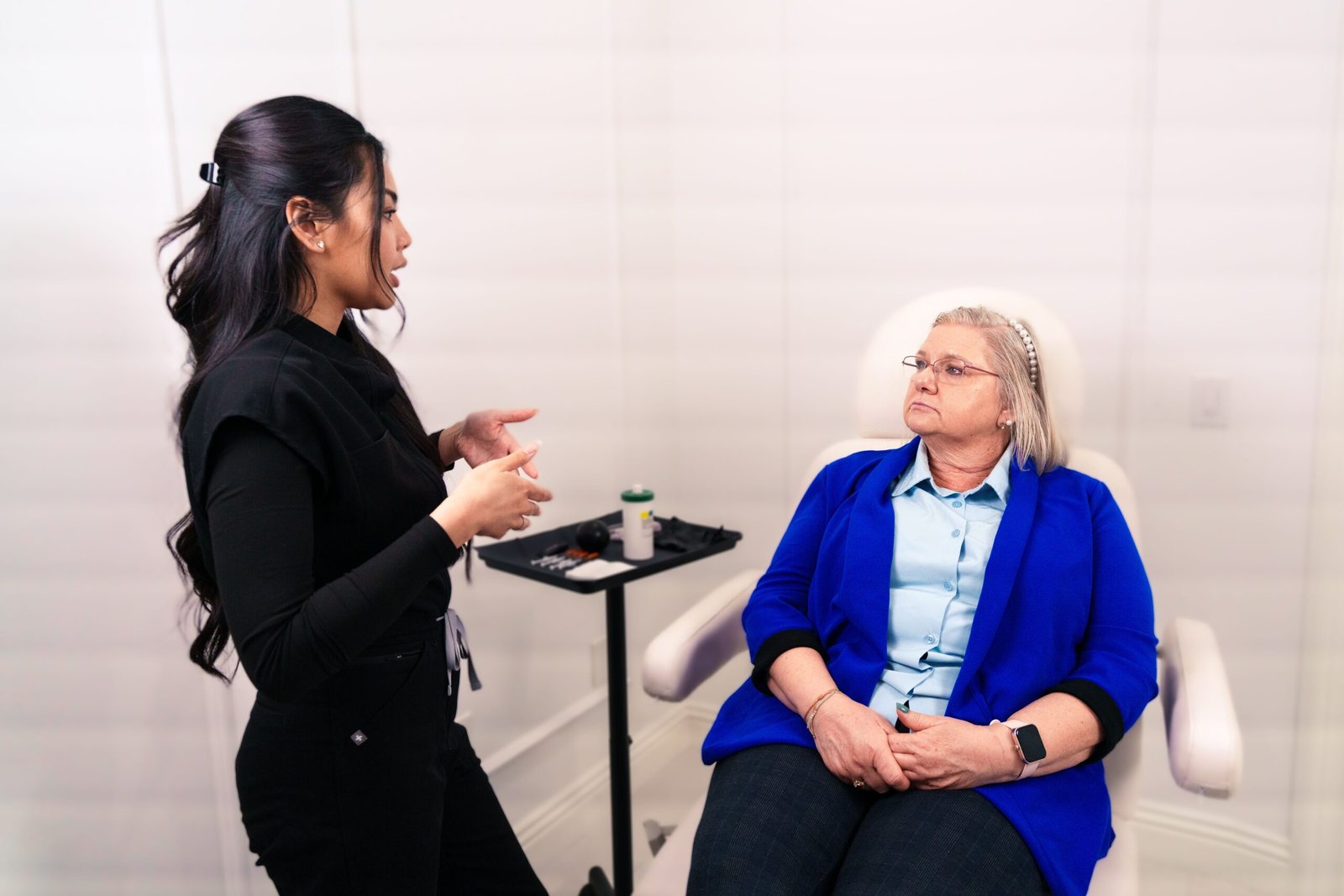
A med spa appointment may promise smoother skin, a brighter complexion, or a more refreshed appearance, but a good result begins long before treatment day. In Bernardsville, as in many communities, cosmetic services can be easy to find; choosing an appropriate provider and treatment takes more care. Cosmetic procedures carry risks, and outcomes depend heavily on the skill of the person performing them. Rather than choosing based on social media or a discount, start by understanding your goals, the procedure’s limits, and the standards of care you should expect.
Understand the Medical Side of Aesthetic Care
A medical spa differs from a traditional day spa because it may offer procedures that affect the skin or underlying tissue. Services can include injectables, laser treatments, chemical peels, microneedling, and skin tightening. Although some appointments are brief, the procedures are not all risk-free or interchangeable.
Treatments that affect pigment, blood vessels, collagen, or facial muscle movement require appropriate training and careful assessment. Depending on the procedure, possible effects can include swelling, bruising, irritation, burns, infection, pigment changes, or scarring. The level of risk varies with the treatment, equipment, the person’s health, and the practitioner’s experience.
Before booking, find out who will assess you, who will perform the procedure, and what qualifications they hold. Ask whether a licensed medical professional will be available if a complication occurs. Do not assume that a polished setting or the word “medical” automatically guarantees appropriate oversight. You should feel comfortable asking direct questions and receiving clear answers.
Treat the Consultation as a Two-Way Conversation
The service menu tells you what a practice offers; the consultation helps you judge whether its recommendations make sense for you. A careful provider should ask about your medical history, medications, allergies, skin conditions, previous procedures, and expectations. They should explain likely benefits, meaningful risks, alternatives, preparation, recovery, and the number of sessions that may be needed.
If you are comparing a Med Spa in Bernardsville, evaluate the service as you would any clinical aesthetic procedure: check the practitioner’s credentials, experience with the specific treatment, hygiene practices, and approach to follow-up care. The location or appearance of a facility is less important than the quality of assessment and the qualifications of the person treating you.
Define the Concern Before Choosing a Treatment
“I want to look refreshed” is a reasonable starting point, but it is too broad to guide a treatment plan. You may be concerned about acne scars, uneven pigmentation, redness, fine lines, dull texture, or loss of facial volume. Each concern has different causes and may respond to different approaches.
A responsible consultation should also consider whether treatment is needed at all. Sometimes a skincare routine, management of an underlying condition, or a referral to a dermatologist is a more suitable first step. Avoid agreeing to a package before you understand what each treatment is intended to address and why it belongs in your plan.
Learn What the Procedure Can—and Cannot—Do
Aesthetic treatments are often grouped together online as ways to improve “glow,” but their purposes differ. Neuromodulators reduce the movement of selected muscles; fillers can restore volume or contour; lasers may target specific pigment, redness, hair, or texture concerns; microneedling creates controlled tiny injuries to stimulate a healing response; and chemical peels vary in depth and intensity.
For additional guidance, the American Academy of Dermatology’s questions to ask before a cosmetic treatment resource outlines useful topics to discuss, including qualifications, expected results, risks, recovery, and cost. Use those questions to support a conversation, not as a substitute for an individualized medical assessment.
Account for Recovery, Upkeep, and the Full Cost
The appointment price rarely tells the whole story. Some treatments involve a series of sessions, while others require maintenance appointments to preserve results. Products, follow-up visits, and time away from work or social activities can add to the overall commitment.
Ask for an estimate covering the full treatment plan, not just the first visit. Clarify how many sessions are recommended, when results usually appear, how long they may last, and what future maintenance could cost. A lower introductory price is not necessarily better value if the plan requires repeated appointments or does not suit your goals.
Your Skin and Health History Matter
The same procedure can produce different outcomes for different people. Skin tone, sensitivity, active acne, rosacea, melasma, scarring tendencies, medications, and recent sun exposure may influence which treatments are suitable. Pregnancy, certain medical conditions, immune-related concerns, or a history of cold sores may also affect planning, depending on the procedure.
A provider should adapt recommendations to your circumstances rather than offer the same package to everyone. The U.S. Food and Drug Administration’s guidance on aesthetic devices notes that results are not guaranteed and that devices can carry risks. Ask which device or technique will be used, what evidence supports its use for your concern, and what precautions apply to your skin and health.
Look Beyond Before-and-After Photos
Photographs can help you understand possible outcomes, but they do not tell the entire story. Lighting, camera angle, makeup, facial expression, swelling, and the time elapsed after treatment can change how results appear. A dramatic image may show an unusually favorable result rather than what most clients should expect.
Social media trends can introduce you to treatments worth researching, but popularity is not proof that a procedure is appropriate for you. A competent provider should explain when a trend is unlikely to help and offer a reasoned alternative—or recommend doing nothing.
Choose Clarity Over Pressure
A good med spa experience should leave you informed, not persuaded into buying more than you need. Before agreeing to treatment, make sure you understand the expected benefit, the realistic limits, the risks, the recovery period, and the plan for handling complications. You should also know whom to contact if you have concerns afterward.
Ultimately, a successful treatment is not defined by a dramatic transformation or a social media trend. It is an informed choice that fits your goals, respects your health, and sets realistic expectations. If a provider welcomes questions and gives balanced answers, you have a stronger foundation for deciding whether to proceed.

Can Machines Spot Machine Writing? A Closer Look at AI Essay Checkers

How Niche eCommerce Founders Can Validate Product Demand Before Investing in Inventory

Building a Competitive Online Presence with Link Building Services and SEO Packages

Luxury Rigid Boxes: Planning Premium Packaging Around Product Fit and Presentation

Tommy Bynes: Everything About Amanda Bynes’ Brother

How to Cook Healthy Family Meals Safely: A Parent’s Guide

How Personalized Addiction Treatment Plans Can Improve Patient Engagement and Recovery Outcomes

Need LLC Help? Here’s How to Get an LLC Online

Helen Beth Duntz: The Real Story of James MacArthur’s Wife

Cassandra Marino: The Full Story of Caitlyn Jenner’s Eldest Daughter

Charfen.co.uk: What Is It and What Does It Offer?

SoSoActive: Everything You Need to Know About the Digital Platform

Buying Property Through Your Super? Run an SMSF Loan Calculator Before You Call a Broker

Kerri Browitt Caviezel: Everything to Know About Jim Caviezel’s Wife

Voozon.com: Everything You Need to Know Before Using It

From Search Visibility to Enquiries: Building a Stronger SEO System in Essex

Eractoll: What Is It and Why Did Enterprise Charge You?

How to Make Kofta Kebabs at Home Without Overthinking It

Michele Morrone Net Worth: His Salary, Earnings, and Rich Life

NF Net Worth: How the Rapper Turned Pain Into Millions
Can Machines Spot Machine Writing? A Closer Look at AI Essay Checkers
How Niche eCommerce Founders Can Validate Product Demand Before Investing in Inventory
Building a Competitive Online Presence with Link Building Services and SEO Packages
Luxury Rigid Boxes: Planning Premium Packaging Around Product Fit and Presentation
Tommy Bynes: Everything About Amanda Bynes’ Brother
How to Cook Healthy Family Meals Safely: A Parent’s Guide
How Personalized Addiction Treatment Plans Can Improve Patient Engagement and Recovery Outcomes
Need LLC Help? Here’s How to Get an LLC Online
Helen Beth Duntz: The Real Story of James MacArthur’s Wife
Cassandra Marino: The Full Story of Caitlyn Jenner’s Eldest Daughter
-

 News2 months ago
Who Is Gigi Yallouz? Meet Owain Yeoman’s Wife and Jewelry Designer
-

 News2 months ago
Who Is Tove Torvalds? All About Linus Torvalds’ Wife
-

 News2 months ago
Rajesh Nihalani: What We Know About Archie Panjabi’s Husband
-

 News2 months ago
Stephan Farmiga: Everything to Know About Vera Farmiga’s Brother