
Blog
How to Choose the Right Grass for North Texas Homes: Heat, Shade, and Lawn Maintenance in DFW

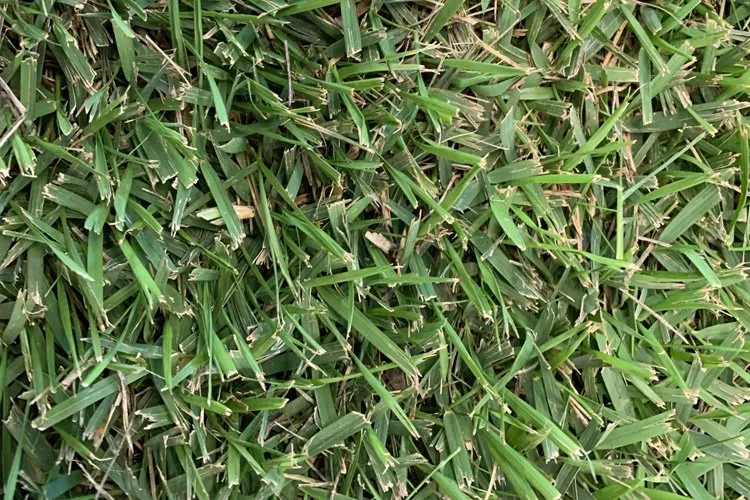
Standing in a DFW backyard in late July, it’s easy to see why grass selection matters so much here. The wrong variety will thin out, scorch, or just give up by August. The right one stays dense and green with far less effort than most homeowners expect.
Why Dallas, Fort Worth’s Climate Creates Unique Lawn Care Challenges
North Texas sits in a transition zone where the climate is genuinely extreme by turfgrass standards. Winters are mild enough that cool-season grasses never fully thrive, but summers are brutal enough to push even warm-season varieties to their limits.
According to National Weather Service climate data for DFW, the area averages more than 20 days per year with maximum temperatures at or above 100°F, with the bulk of those days packed into July and August. That kind of sustained heat puts real stress on lawns, especially when combined with the clay-heavy soils common across the Metroplex. Clay compacts under foot traffic, drains poorly after rain, and then bakes rock-hard during dry stretches. Any grass you plant has to contend with both extremes.
Rainfall patterns add another layer of complexity. DFW gets most of its precipitation in spring and fall, leaving a long summer window where irrigation carries the entire load. Choosing a grass that handles that dry stretch efficiently isn’t just a convenience issue. It directly affects water bills and the overall health of the lawn.
How Sun Exposure and Soil Conditions Affect Grass Selection
Before picking a grass variety, take a close look at how sunlight moves across the yard throughout the day. North Texas properties vary widely, from open suburban lots with full sun from morning to evening, to shaded backyards where mature oaks or cedar elms block light for much of the afternoon.
Mapping Your Sun Zones
Walk the yard at 9 a.m., noon, and 4 p.m. on a clear day and note which areas get full sun, partial shade, or deep shade. Full sun means six or more hours of direct light. Partial shade means three to five hours. Deep shade, under a dense canopy, is a challenge for almost any warm-season grass and may require a completely different approach.
Understanding DFW Soil Types
Most of the Metroplex sits on expansive clay soil, often called black clay or black gumbo. It shrinks and cracks in drought and swells when wet, which can heave sod and disrupt root systems. Sandy loam soils appear in parts of Tarrant County and along creek corridors. Knowing your soil type helps determine how much prep work is needed before installation and how aggressively you need to aerate after establishment.
Drainage and Grading
Low spots that hold water after rain are trouble for almost every warm-season grass. Standing water invites fungal disease and suffocates roots. If the yard has drainage issues, fix the grading or put in a French drain before laying sod. No grass performs well in consistently soggy ground.
Zoysia vs. St. Augustine: Which Grass Works Best for Your Yard?
These two varieties dominate North Texas residential lawns, and both have genuine strengths. The decision usually comes down to how much sun the yard gets, how much water is available, and how much maintenance the homeowner is willing to do.
St. Augustine is a fast-establishing, coarse-bladed grass that handles partial shade better than most warm-season options. It spreads quickly via stolons, fills in bare spots relatively fast, and produces a thick, lush look that many homeowners find appealing. But the trade-off is water demand. St. Augustine needs consistent irrigation during summer, is susceptible to chinch bugs, and goes into visible decline quickly if watering is skipped during a heat wave.
Zoysia grows more slowly but builds a denser, finer-textured turf that holds up well under foot traffic. It tolerates heat and drought more efficiently than St. Augustine and is naturally more resistant to many common lawn pests. The slower establishment pace means it takes longer to fill in after installation. Once it’s rooted, though, it needs far less intervention to stay healthy.
For homeowners with full-sun yards and a preference for lower long-term maintenance, zoysia is generally the stronger choice. For yards with significant shade or a need for fast coverage, St. Augustine may be the better fit.
When Palisades Zoysia Makes Sense for North Texas Lawns
Not all zoysia varieties are equal. Palisades Zoysia stands out as a particularly well-suited option for DFW conditions. It was developed with the heat and humidity of the South in mind, and that shows in how it performs during the worst weeks of a Texas summer.
Shade Tolerance
Palisades Zoysia handles partial shade better than most zoysia cultivars. Where standard varieties begin to thin out under a tree canopy, Palisades maintains density with as little as four hours of direct sun. That makes it a practical choice for yards with mature trees, which are common in established DFW neighborhoods.
Summer Heat and Drought Performance
During extended dry periods, Palisades Zoysia’s deep root system allows it to pull moisture from lower soil layers rather than relying entirely on surface irrigation. Homeowners looking into low-maintenance lawn options for North Texas will find that Palisades holds up through heat waves without the demanding watering schedule that St. Augustine requires.
Water Efficiency
The water savings with established zoysia are meaningful in a climate like DFW’s. Homeowners who switch from St. Augustine to zoysia typically see a 25 to 40 percent reduction in irrigation water usage, which on a 5,000 square foot yard can translate to $200 to $400 per year in savings. Over several seasons, that adds up fast.
Lawn Installation and Establishment Tips for DFW Homeowners
Timing matters more than most people realize. The best window for installing warm-season sod in North Texas runs from late April through early September, when soil temperatures are warm enough to encourage rapid root development. Installing too early in spring, before the soil has warmed, slows establishment and leaves the sod vulnerable to a late cold snap.
A few steps that make a real difference:
- Prepare the soil first. Till the top three to four inches, remove debris, and add a starter fertilizer before laying sod. On heavy clay, working a thin layer of compost into the surface improves drainage and root penetration.
- Water deeply and consistently during the first three weeks. New sod needs daily watering until it knits into the soil. After that, scale back to deep, infrequent sessions to push roots downward.
- Avoid heavy foot traffic for the first 30 days. The root system is still anchoring itself, and compaction during this phase can create weak spots that linger for months.
- Hold off on mowing until the grass reaches the recommended height. For Palisades Zoysia, that’s typically around two to two and a half inches. Mowing too early stresses a lawn that’s still finding its footing.
Sod installation in DFW’s summer heat requires extra attention to irrigation scheduling. Newly laid sod can dry out and die within hours on a 105-degree afternoon if watering is delayed. Set your irrigation schedule before the sod goes down, not after.
Maintaining a Healthy Lawn Through Texas Summers and Seasonal Changes
Once established, a warm-season lawn in DFW follows a predictable rhythm. Growth is vigorous from May through September, then slows as temperatures drop in October and the grass moves toward dormancy. Understanding that rhythm helps homeowners make better decisions about fertilizing, watering, and mowing throughout the year.
During summer, the focus is on consistent but not excessive watering, keeping the mowing height appropriate for the variety, and watching for signs of stress or pest activity. Zoysia benefits from deep watering every one to two weeks rather than frequent shallow sessions. Shallow watering trains roots to stay near the surface, which makes the lawn more vulnerable when a dry stretch hits.
Fall is the time to apply a potassium-rich fertilizer that helps the grass harden off before winter. Skip high-nitrogen applications after September, since they push new growth that’s susceptible to cold damage. In DFW, the first frost typically arrives in late November, giving warm-season grasses a long active season but also a real dormancy period worth planning for.
Spring green-up is one of the most satisfying parts of owning a warm-season lawn in North Texas. Zoysia varieties, including Palisades, come out of dormancy with a dense, even green that rewards the patience required during the slow winter months.
The Takeaway
Choosing the right grass for a North Texas yard is less about finding the “best” variety in the abstract and more about matching the grass to the actual conditions of the property. Sun exposure, soil type, water availability, and maintenance expectations all shape the decision. Homeowners who take the time to assess those factors before installing sod end up with lawns that perform better and cost less to maintain over the long run. Start with an honest look at the yard. The right choice usually becomes clear on its own.
Sources used
Every statistic in the article links to its source inline. This list repeats those sources so a link builder can place them by hand if a host strips inline links.

Can Machines Spot Machine Writing? A Closer Look at AI Essay Checkers

How Niche eCommerce Founders Can Validate Product Demand Before Investing in Inventory

Building a Competitive Online Presence with Link Building Services and SEO Packages

Luxury Rigid Boxes: Planning Premium Packaging Around Product Fit and Presentation

Tommy Bynes: Everything About Amanda Bynes’ Brother

How to Cook Healthy Family Meals Safely: A Parent’s Guide

How Personalized Addiction Treatment Plans Can Improve Patient Engagement and Recovery Outcomes

Need LLC Help? Here’s How to Get an LLC Online

Helen Beth Duntz: The Real Story of James MacArthur’s Wife

Cassandra Marino: The Full Story of Caitlyn Jenner’s Eldest Daughter

Charfen.co.uk: What Is It and What Does It Offer?

SoSoActive: Everything You Need to Know About the Digital Platform

Buying Property Through Your Super? Run an SMSF Loan Calculator Before You Call a Broker

Kerri Browitt Caviezel: Everything to Know About Jim Caviezel’s Wife

Voozon.com: Everything You Need to Know Before Using It

From Search Visibility to Enquiries: Building a Stronger SEO System in Essex

Eractoll: What Is It and Why Did Enterprise Charge You?

How to Make Kofta Kebabs at Home Without Overthinking It

Michele Morrone Net Worth: His Salary, Earnings, and Rich Life

NF Net Worth: How the Rapper Turned Pain Into Millions
Can Machines Spot Machine Writing? A Closer Look at AI Essay Checkers
How Niche eCommerce Founders Can Validate Product Demand Before Investing in Inventory
Building a Competitive Online Presence with Link Building Services and SEO Packages
Luxury Rigid Boxes: Planning Premium Packaging Around Product Fit and Presentation
Tommy Bynes: Everything About Amanda Bynes’ Brother
How to Cook Healthy Family Meals Safely: A Parent’s Guide
How Personalized Addiction Treatment Plans Can Improve Patient Engagement and Recovery Outcomes
Need LLC Help? Here’s How to Get an LLC Online
Helen Beth Duntz: The Real Story of James MacArthur’s Wife
Cassandra Marino: The Full Story of Caitlyn Jenner’s Eldest Daughter
-

 News2 months ago
Who Is Gigi Yallouz? Meet Owain Yeoman’s Wife and Jewelry Designer
-

 News2 months ago
Who Is Tove Torvalds? All About Linus Torvalds’ Wife
-

 News2 months ago
Rajesh Nihalani: What We Know About Archie Panjabi’s Husband
-

 News2 months ago
Stephan Farmiga: Everything to Know About Vera Farmiga’s Brother