Guide
10 Things Dog Walkers in NYC Wish Every Dog Owner Knew

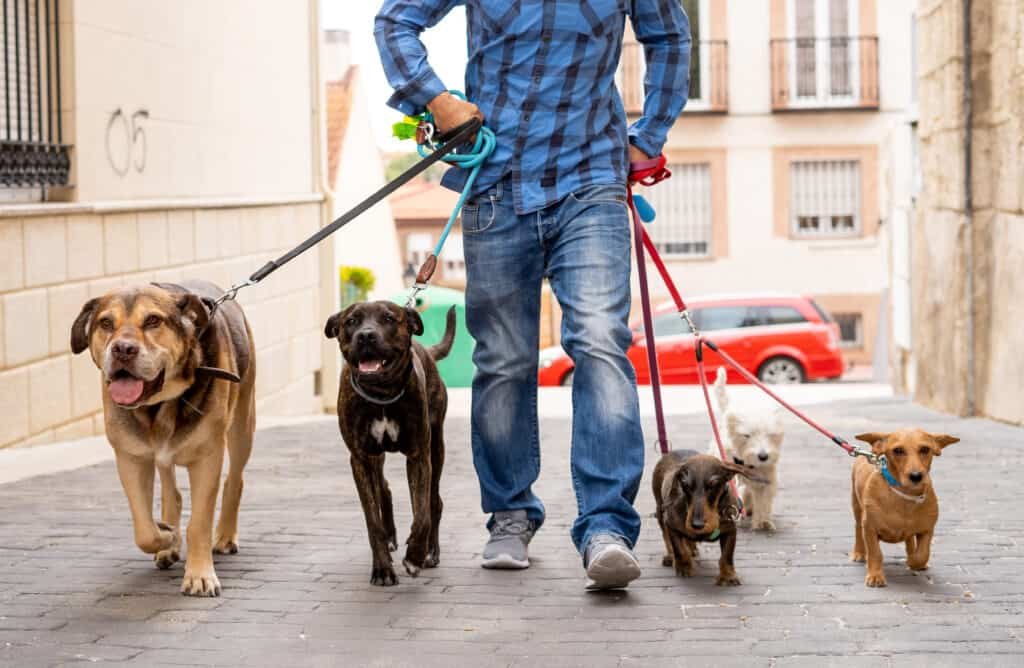
Most advice about dog walkers goes one way. How to hire one. What to ask. What to watch out for.
But a great walk is a team effort. The walker brings the skill, the patience, and the street smarts. You bring the gear, the information, and the planning. When both sides do their part, your dog gets a safer, happier walk every single day.
So let’s flip the usual script. Here are the things experienced walkers quietly hope every owner knows. None of them are hard. All of them make a real difference.
At the Door
1. Keep the gear in the same spot, every day
A walker’s visit is short, and every minute counts. When the leash, harness, and poop bags hang on the same hook each day, the walk starts right away. When the walker has to search the apartment for a missing harness, your dog loses walk time.
This matters even more in the walk-ups of the East Village, the Lower East Side, The Bowery, and Little Italy, where just climbing the stairs takes a few minutes. A simple hook by the door is one of the best gifts you can give your walker.
2. A loose collar is a big risk
Here’s a fact that surprises many owners: dogs can back out of a loose collar in a split second. A sudden noise, like a car horn or a dropped metal gate, can make a scared dog pull backward hard.
Use the two-finger rule. You should be able to slide two fingers under your dog’s collar, and no more. On busy blocks in SoHo, Chinatown, and Tribeca, a snug collar or a well-fitted harness can be the difference between a normal walk and a scary chase down the street.
3. Please skip the retractable leash
Retractable leashes let a dog wander 15 feet or more ahead. That might work in a quiet suburb. On a packed city sidewalk, it’s a problem. Your dog can step into a bike lane, wrap the cord around a stranger’s legs, or reach a dropped chicken bone before anyone can stop them.
That’s why trained dog walkers in NYC prefer a standard 4 to 6-foot leash. It keeps dogs close and under control on crowded blocks in Flatiron, the Garment District, Midtown, and Hell’s Kitchen. If you’re not sure which leash to buy, ask a team of trusted dog walkers in NYC what they recommend. They see what works on real city streets every day.
4. Tell your walker when something changes
Did your dog see the vet this week? Start a new medicine? Have an upset stomach last night? Is there a new baby in the house or a contractor working in the kitchen?
Small changes can affect how a dog acts on a walk. Families in Park Slope, Prospect Heights, Crown Heights, Cobble Hill, and Boerum Hill often have busy households, and life changes fast. A quick text to your walker helps them spot problems early and adjust the walk to fit your dog’s needs.
On the Walk
5. Your dog may act differently with the walker
Many owners are surprised to hear that their wild puller walks nicely for someone else, or that their calm couch potato gets bouncy outside. Dogs often behave differently with different people.
On the Upper West Side and Central Park West, a dog might pull hard toward the park with their owner but walk calmly with a steady walker who has a set routine. Near Carnegie Hill, a shy dog might relax more on quiet side streets with a walker who goes at their pace. Different isn’t bad. It just means your dog is learning to trust someone new.
6. A shorter walk isn’t a lazy walk
Sometimes a walker cuts a walk short on purpose. On a hot day, a senior dog may need a gentle 15 minutes, not a full hour. On icy days, a careful walker may skip the steep hills of Hamilton Heights and Harlem, or avoid salted sidewalks in East Harlem.
A good walker reads your dog, not the clock. If you ever wonder why a walk was shorter, just ask. There’s almost always a smart reason behind it.
7. “Friendly” doesn’t tell the whole story
When owners describe their dogs, “friendly” is the most common word. It’s helpful, but it’s not enough. Walkers need details. Does your dog bark at skateboards? Lunge at bikes? Get nervous around big dogs or small kids?
These details matter in places like Williamsburg, Greenpoint, and Bushwick, where bike lanes, scooters, and busy sidewalks are part of every walk. The more your walker knows, the better they can plan a calm route.
Behind the Scenes
8. Plan holidays early
Holidays sneak up fast, especially with Thanksgiving right around the corner. Many walking services have limited holiday schedules and need reservations well ahead of time. NYC Pooch, for example, closes on major holidays like Thanksgiving, Black Friday, Christmas Eve, Christmas Day, and New Year’s Day, and asks clients to book holiday care in advance.
The city empties out during the holidays, from Chelsea to Brooklyn Heights to Vinegar Hill, and the best walkers and pet sitters get booked first. If you’re traveling, reach out early so your dog’s care is locked in.
9. Help your walker with your building
Keys are just the start. Many buildings need written permission before staff let a walker in. This is common in the doorman buildings of Battery Park City, the Financial District, and Murray Hill, and in large complexes like Stuyvesant Town. Newer towers in the Navy Yard and Downtown Brooklyn may also need your walker on a guest list.
Set this up before the first walk. Then update it if your walker changes or your building switches security systems.
10. Read the walk reports and share feedback
Many services now send a report after each walk with a GPS map, photos, and notes. Take a minute to read them. If something seems off, or if your dog did something you want more of, say so.
Owners in Greenwich Village, the West Village, and Gramercy Park often build long, happy relationships with their walkers because they keep the conversation going. Feedback helps your walker get better at caring for your dog.
A Partnership, Not Just a Service
The best walks happen when owners and walkers work together. You know your dog’s history, habits, and quirks. Your walker knows the streets, the parks, and how to handle city surprises.
NYC Pooch builds its service around that kind of partnership. Each dog gets one dedicated walker who learns their routine, and every match starts with a free meet and greet so owners can share the details that matter. You can reach their team at 212-874-6335.
Hang the leash by the door. Snug up that collar. Send a quick text when something changes. These small habits tell your walker one thing loud and clear: we’re in this together. And your dog will feel it on every walk.

How to Start a Digital Marketing Agency in Los Angeles

Understanding the Importance of Professional HVAC Repair for Efficient and Comfortable Indoor Environments

Everything You Need to Know About Heat Pump Repair, Maintenance, and Long-Term System Efficiency

Achieving Broker Dealer Compliance Through Effective Risk Management

Basement Flooring in Canada: Moisture, Comfort and Material Choices

Human Behavior Is Integral to Personal Safety

Top 8 Grocery App Development Companies in USA

Why 12mm Tempered Glass Is a Popular Choice for Railing Systems

10 Things Dog Walkers in NYC Wish Every Dog Owner Knew

Hidden Damage: What Water Really Does to Your Home Before You Notice It

How to Make Kofta Kebabs at Home Without Overthinking It

Beyond the Interior: Home Improvements That Transform Your Entire Property

Building a Competitive Online Presence with Link Building Services and SEO Packages

Phoenix’s Construction Boom Is Changing How Workers, Drivers, and Businesses Share Urban Space

Spider Web Graphics in Fashion From Halloween to Streetwear

Cane Corso Kings: Everything You Need to Know About This Powerful Dog

Building Coherent Multi-Object Scenes Through Seeworld Spatial Planning

Electric Mini Bikes vs. Gas Mini Bikes: What Changes After You Buy?

How Employer Of Record Services Help Startups Expand Into New Markets With Lower Operational Risk

The Relationship Between Self-Confidence, Appearance, and Everyday Well-Being
How to Start a Digital Marketing Agency in Los Angeles
Understanding the Importance of Professional HVAC Repair for Efficient and Comfortable Indoor Environments
Everything You Need to Know About Heat Pump Repair, Maintenance, and Long-Term System Efficiency
Achieving Broker Dealer Compliance Through Effective Risk Management
Basement Flooring in Canada: Moisture, Comfort and Material Choices
Human Behavior Is Integral to Personal Safety
Top 8 Grocery App Development Companies in USA
Why 12mm Tempered Glass Is a Popular Choice for Railing Systems
10 Things Dog Walkers in NYC Wish Every Dog Owner Knew