Home Improvement
Understanding the Importance of Professional HVAC Repair for Efficient and Comfortable Indoor Environments

Introduction
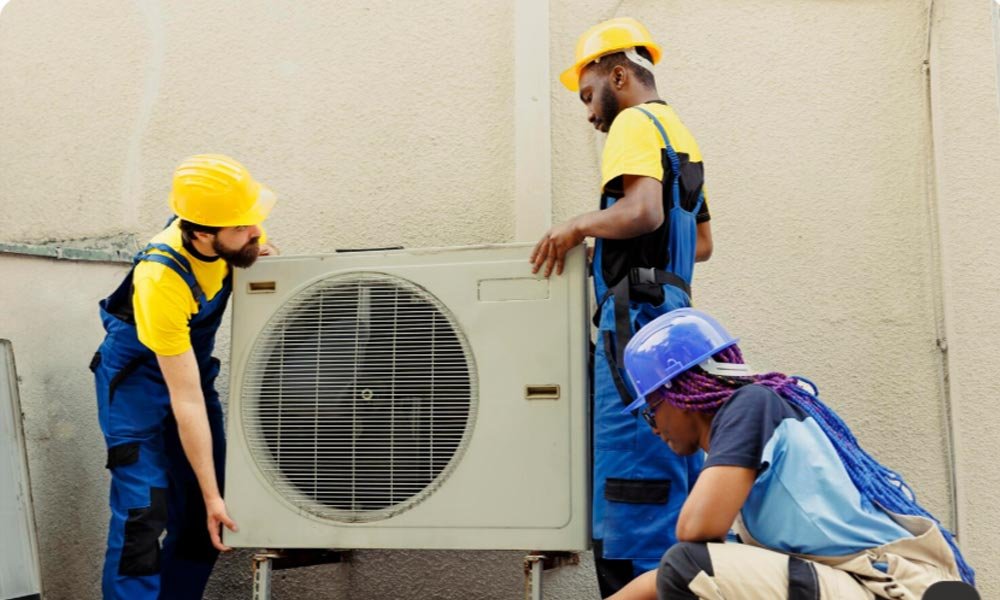
Heating, ventilation, and air conditioning systems play an important role in maintaining comfortable indoor environments throughout the year. Whether in residential homes or commercial buildings, these systems regulate temperatures, improve air circulation, and help control indoor humidity. However, like other mechanical equipment, HVAC systems can experience wear and tear over time. Regular use, poor maintenance, clogged filters, electrical issues, and aging components can gradually affect their performance. When problems develop, professional HVAC repair services become essential for restoring proper operation and preventing further equipment damage. Understanding how these systems work and recognizing early warning signs can help property owners make better decisions about maintenance and repairs. A properly functioning heating and cooling system contributes to indoor comfort, energy efficiency, and better air quality. When equipment starts operating inefficiently, property owners may notice unusual noises, inconsistent temperatures, weak airflow, or higher utility bills. These problems should not be ignored because minor issues can develop into expensive mechanical failures when left unresolved. Professional technicians have the experience and equipment needed to identify the underlying causes and recommend suitable solutions. Taking a proactive approach to system maintenance and addressing problems promptly can improve equipment reliability and help extend its useful lifespan.
Understanding the Importance of HVAC Maintenance
Heating and cooling systems contain several interconnected components that must work together to maintain comfortable indoor conditions. These components include compressors, evaporator coils, condensers, blower motors, thermostats, air filters, electrical connections, and ventilation ducts. A problem with one component can affect the performance of the entire system. Regular inspections help identify worn parts, airflow restrictions, and other concerns before they cause significant operational problems. Proper maintenance also allows technicians to evaluate system performance and recommend improvements when necessary. Preventive maintenance is often more affordable than dealing with unexpected equipment failures. Cleaning important components, replacing dirty filters, inspecting electrical connections, and checking system controls can help reduce unnecessary strain on equipment. These maintenance measures support consistent airflow and allow heating and cooling systems to operate more efficiently. Property owners should follow manufacturer recommendations and arrange professional inspections at appropriate intervals. A well-maintained system is generally more dependable and less likely to experience avoidable breakdowns.
Common Signs That Your HVAC System Needs Professional Attention
Recognizing early warning signs can help property owners address equipment problems before they become more serious. One of the most noticeable symptoms is inconsistent indoor temperature. If some rooms feel warmer or cooler than others, the system may have airflow restrictions, thermostat problems, ductwork leaks, or equipment performance issues. Weak airflow from vents can also indicate clogged filters, blower motor problems, or blocked ventilation pathways. These symptoms should be evaluated to determine the actual cause and prevent unnecessary energy consumption. Unusual noises are another indication that heating and cooling equipment may require inspection. Grinding, rattling, buzzing, and banging sounds can result from loose components, worn motor bearings, damaged fan blades, or electrical problems. Strange odors may also suggest dirty filters, accumulated moisture, or other internal concerns. Ignoring these warning signs can increase the risk of equipment damage and create uncomfortable indoor conditions. Arranging HVAC repair when unusual symptoms appear can help restore normal operation and reduce the possibility of more expensive repairs. Unexpected increases in utility bills may also indicate that equipment is no longer operating efficiently. When a heating or cooling system struggles to maintain the desired temperature, it may run longer than necessary and consume additional energy. Dirty coils, restricted airflow, refrigerant problems, and malfunctioning thermostats can contribute to this situation. A professional inspection can identify the source of excessive energy consumption and determine which components require cleaning, adjustment, or replacement.
Common HVAC Problems and Their Solutions
Air conditioning systems can develop several problems that affect cooling performance. One common issue is insufficient cooling, which may result from dirty air filters, blocked condenser coils, refrigerant leaks, or compressor problems. Sometimes, the thermostat may not communicate correctly with the equipment, causing the system to operate improperly. Technicians inspect these components to identify the underlying problem and determine the most appropriate solution. Addressing the issue early can prevent additional strain on the system and help restore comfortable indoor temperatures. Heating systems can also experience problems, particularly when they have not received regular maintenance. Furnaces may develop ignition issues, dirty burners, faulty thermostats, or restricted airflow. Heat pumps may experience problems with electrical components, reversing valves, or outdoor coils. These issues can affect heating performance and cause inconsistent indoor temperatures. Professional technicians use appropriate diagnostic procedures to identify defective components and restore reliable operation while following relevant safety requirements. Drainage problems are another common concern in air conditioning systems. During normal cooling operation, moisture collects around the evaporator coil and should drain through a designated condensate line. When this line becomes blocked by dirt, algae, or debris, water may accumulate and leak around the indoor equipment. This moisture can damage nearby surfaces and create conditions that encourage mold growth. Regular inspections and appropriate cleaning help keep drainage pathways clear and reduce the possibility of water-related damage.
Why Professional HVAC Repair Services Matter
Heating and cooling systems involve electrical components, refrigerants, moving mechanical parts, and sometimes fuel-burning equipment. Diagnosing and repairing these systems requires technical knowledge and suitable tools. Attempting complicated repairs without proper training can create safety risks and cause additional damage. Professional technicians understand equipment specifications, diagnostic procedures, and applicable safety requirements. Their experience allows them to identify problems accurately rather than relying on temporary fixes that may not address the actual cause. Choosing professional HVAC repair services also helps ensure that replacement parts and repair procedures are appropriate for the equipment. Different manufacturers and system models may require specific components and technical adjustments. Incorrect parts or unsuitable installation methods can reduce efficiency and create additional operational problems. Qualified professionals inspect the system, explain the available options, and recommend solutions based on the equipment’s condition. This approach helps property owners make informed decisions and avoid unnecessary expenses. Professional service providers can also identify related issues that may not be immediately noticeable. For example, a technician investigating poor cooling may discover leaking ductwork, restricted airflow, or an incorrectly calibrated thermostat. Addressing these additional concerns can improve overall system performance and reduce the likelihood of repeated service visits. Clear communication about the problem, estimated costs, and recommended work also helps customers understand the value of professional maintenance.
Improving Energy Efficiency Through Proper Repairs
Energy efficiency is an important consideration for property owners because heating and cooling equipment can consume a substantial amount of electricity or fuel. When components become dirty, damaged, or improperly adjusted, the system may require more energy to maintain comfortable temperatures. Restricted airflow, leaking ducts, faulty thermostats, and inefficient motors can all contribute to unnecessary energy consumption. Proper repairs help restore equipment performance and reduce the extra workload placed on important components. Replacing dirty air filters is one of the simplest ways to support better system efficiency. Filters collect dust and airborne particles during normal operation, but they can eventually become clogged and restrict airflow. This forces the blower motor to work harder and may reduce heating or cooling performance. Property owners should inspect filters regularly and replace them according to manufacturer recommendations. Keeping supply vents and return air openings unobstructed also helps maintain proper airflow throughout the building. Sealing ductwork leaks can provide additional efficiency benefits. Conditioned air may escape through damaged or poorly connected ducts before reaching the intended rooms. This can create uneven temperatures and force equipment to operate longer than necessary. Professional technicians can inspect accessible ductwork, identify leaks, and recommend appropriate sealing or insulation improvements. Combining these measures with timely repairs can support better temperature distribution and more consistent equipment performance.
The Role of Indoor Air Quality in HVAC Performance
Indoor air quality is closely connected to the performance of heating and cooling equipment. Dust, pollen, pet dander, smoke, and other airborne particles can accumulate inside buildings when filtration and ventilation systems are not properly maintained. Dirty filters and contaminated internal components may contribute to poor airflow and reduced equipment efficiency. Regular cleaning and suitable filtration help maintain cleaner air while supporting the normal operation of the system. Humidity control is another important part of indoor comfort. Excess moisture can contribute to condensation, unpleasant odors, and mold growth, while extremely dry conditions may cause discomfort. Air conditioning systems naturally remove some moisture during the cooling process, but drainage and ventilation problems can interfere with this function. Technicians can inspect drainage arrangements, ventilation components, and humidity-control equipment to determine whether improvements are needed. Proper ventilation also helps maintain a comfortable indoor atmosphere by supporting the movement of fresh air and reducing the accumulation of indoor pollutants. Exhaust fans, air handling systems, and ventilation ducts must remain in suitable working condition to perform effectively. When ventilation components become blocked or damaged, indoor air circulation may suffer. Addressing these concerns as part of HVAC repair and maintenance can improve both equipment performance and overall indoor comfort.
Residential and Commercial HVAC Repair Requirements
Residential heating and cooling systems are generally designed to maintain comfortable temperatures throughout individual homes. These systems may include central air conditioners, furnaces, heat pumps, ductless mini-split units, and ventilation equipment. Common residential concerns include weak airflow, inconsistent temperatures, thermostat malfunctions, refrigerant leaks, and unusual equipment noises. Timely inspections help homeowners understand the condition of their systems and determine whether cleaning, adjustments, or component replacements are necessary. Commercial buildings often have more complex heating and cooling requirements because of their size, occupancy levels, and operational schedules. Offices, retail stores, restaurants, and industrial facilities may use rooftop units, large air handling systems, complex duct networks, and multiple temperature zones. A malfunctioning system can affect employee comfort, customer experiences, and daily business operations. Commercial equipment therefore requires appropriate inspection schedules and professional attention to maintain dependable performance. Businesses should consider the importance of planned maintenance because unexpected breakdowns may interrupt operations and create additional expenses. Regular inspections can identify developing concerns and allow managers to schedule repairs before equipment failure causes significant disruption. Technicians can also evaluate system performance, examine ventilation arrangements, and recommend energy-saving improvements. Proper maintenance supports more reliable building operations and helps protect expensive commercial equipment.
How to Choose a Reliable HVAC Technician
Selecting a qualified technician is an important step when dealing with heating and cooling problems. Property owners should consider technical experience, relevant licensing, insurance coverage, and professional training before choosing a service provider. Different HVAC systems require different skills, so it is helpful to find someone familiar with the specific equipment installed in the property. A knowledgeable technician should be able to explain the problem clearly and recommend suitable repair options. Transparent pricing is another important factor when comparing service providers. Customers should request an estimate that explains labor charges, replacement parts, and any additional work that may be required. A dependable company should communicate clearly about the expected repair process and obtain approval before performing significant additional work. This helps prevent misunderstandings and makes it easier to compare different service options. Customer reviews and recommendations can also provide useful information about service quality. Feedback may highlight punctuality, professionalism, workmanship, and customer support. However, property owners should consider several reviews rather than relying on a single opinion. Choosing a company that values communication, safety, and quality workmanship can help ensure a more satisfactory service experience.
When Should You Repair or Replace an HVAC System?
Deciding whether to repair or replace heating and cooling equipment depends on its age, condition, maintenance history, and operating efficiency. A relatively new system experiencing a minor issue may only require a straightforward component replacement. However, older equipment that frequently breaks down or struggles to maintain comfortable temperatures may need a more detailed evaluation. Property owners should compare expected repair expenses with the long-term benefits of installing newer equipment. Repeated breakdowns can indicate that several important components are reaching the end of their useful service life. If replacement parts are difficult to obtain or repairs have become increasingly expensive, replacing the entire system may offer better long-term value. Energy consumption should also be considered because older equipment may operate less efficiently than modern alternatives. A professional assessment helps property owners understand whether repairing the existing unit remains practical. New heating and cooling systems often provide improved efficiency, quieter operation, and more advanced temperature controls. Some models include variable-speed motors, smart thermostat compatibility, and enhanced filtration features. However, replacement decisions should not be based on equipment age alone. The overall condition, repair history, installation quality, and property requirements should all be considered before making a final decision.
Preventive Maintenance Tips for Long-Term Performance
Preventive maintenance can help reduce equipment problems and support reliable heating and cooling throughout the year. Property owners should inspect accessible air filters regularly and replace them when they become dirty. Outdoor condenser units should also remain free from leaves, dirt, and other debris that may restrict airflow. Keeping vents unobstructed and monitoring thermostat settings can further support consistent system operation. Scheduling professional inspections before periods of heavy heating or cooling demand is another useful practice. Technicians can examine electrical connections, inspect coils, check drainage systems, evaluate airflow, and identify components that may require attention. These inspections provide an opportunity to correct small issues before they develop into major equipment failures. Following a regular maintenance schedule can also help property owners plan future expenses more effectively. Homeowners and building managers should pay attention to unusual noises, odors, water leaks, and changes in system performance. Recording these symptoms and explaining when they occur can help technicians diagnose problems more efficiently. Timely HVAC repair can prevent minor concerns from affecting other components and reduce unnecessary equipment strain. A proactive maintenance routine supports better reliability and long-term comfort.
Conclusion
Heating and cooling systems are essential for maintaining comfortable indoor environments, managing humidity, and supporting good air circulation. Over time, normal wear and tear, poor maintenance, and mechanical problems can affect their performance and increase operating costs. Understanding common warning signs and arranging professional inspections helps property owners prevent avoidable breakdowns and protect their equipment investments. Proper maintenance, suitable repairs, and responsible system operation all contribute to dependable heating and cooling performance. Investing in professional HVAC repair services is a practical way to maintain equipment reliability and improve indoor comfort. Qualified technicians can identify underlying problems, replace damaged components, inspect important system functions, and recommend appropriate improvements. Whether maintaining a residential air conditioner or managing a commercial heating system, property owners should prioritize safety, quality workmanship, and regular maintenance. Taking care of HVAC equipment today can help reduce future expenses, improve energy efficiency, and provide reliable indoor comfort for years to come.

How to Start a Digital Marketing Agency in Los Angeles

Understanding the Importance of Professional HVAC Repair for Efficient and Comfortable Indoor Environments

Everything You Need to Know About Heat Pump Repair, Maintenance, and Long-Term System Efficiency

Achieving Broker Dealer Compliance Through Effective Risk Management

Basement Flooring in Canada: Moisture, Comfort and Material Choices

Human Behavior Is Integral to Personal Safety

Top 8 Grocery App Development Companies in USA

Why 12mm Tempered Glass Is a Popular Choice for Railing Systems

10 Things Dog Walkers in NYC Wish Every Dog Owner Knew

Hidden Damage: What Water Really Does to Your Home Before You Notice It

How to Make Kofta Kebabs at Home Without Overthinking It

Beyond the Interior: Home Improvements That Transform Your Entire Property

Building a Competitive Online Presence with Link Building Services and SEO Packages

Phoenix’s Construction Boom Is Changing How Workers, Drivers, and Businesses Share Urban Space

Spider Web Graphics in Fashion From Halloween to Streetwear

Cane Corso Kings: Everything You Need to Know About This Powerful Dog

Electric Mini Bikes vs. Gas Mini Bikes: What Changes After You Buy?

Building Coherent Multi-Object Scenes Through Seeworld Spatial Planning

How Employer Of Record Services Help Startups Expand Into New Markets With Lower Operational Risk

The Relationship Between Self-Confidence, Appearance, and Everyday Well-Being
How to Start a Digital Marketing Agency in Los Angeles
Understanding the Importance of Professional HVAC Repair for Efficient and Comfortable Indoor Environments
Everything You Need to Know About Heat Pump Repair, Maintenance, and Long-Term System Efficiency
Achieving Broker Dealer Compliance Through Effective Risk Management
Basement Flooring in Canada: Moisture, Comfort and Material Choices
Human Behavior Is Integral to Personal Safety
Top 8 Grocery App Development Companies in USA
Why 12mm Tempered Glass Is a Popular Choice for Railing Systems
10 Things Dog Walkers in NYC Wish Every Dog Owner Knew