Home Improvement
Basement Flooring in Canada: Moisture, Comfort and Material Choices

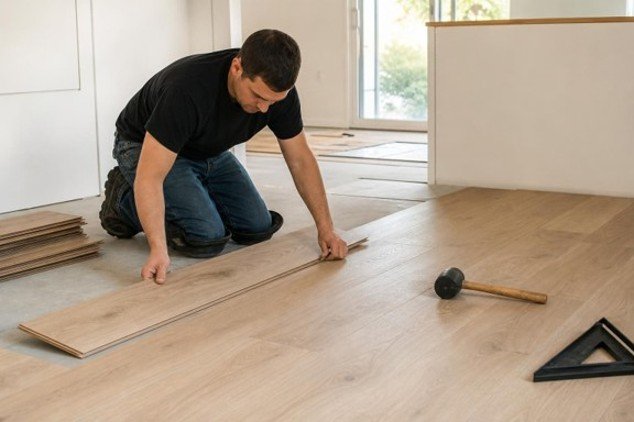
Choosing new flooring involves more than comparing colours or prices. The most successful projects begin with a clear understanding of the space, the practical tradeoffs between materials and the details that affect installation. This guide explains what to examine, what to ask and how to make a decision that works in a real Canadian home.
Start beneath the visible floor
Basements present a different set of flooring decisions because the concrete slab and surrounding ground influence moisture and temperature. Before choosing a finish, inspect for staining, musty odours, efflorescence, visible dampness and evidence of previous leaks. A finished basement can conceal problems that are not obvious during a quick walkthrough. If water is entering the space, correct drainage or building-envelope issues before laying a new floor. No decorative surface, even one described as waterproof, can repair an underlying moisture problem or prevent damage to walls and adjacent materials.
Understand moisture testing
Concrete can look dry while still releasing moisture. The correct testing method and acceptable readings depend on the flooring system and manufacturer’s instructions. Ask the installer which tests are required, who performs them and how the results affect the product choice. Avoid assuming that a generic plastic-sheet test is sufficient for every installation. In older basements, previous floor coverings may have trapped moisture or hidden uneven areas. A professional assessment is particularly important when the history of the slab is unknown or when there have been water problems.
Compare vinyl options with realistic expectations
Luxury vinyl plank and sheet vinyl are common basement candidates because many products tolerate everyday surface moisture well. However, water resistance at the top does not mean moisture cannot affect adhesives, joints, underlay or the slab below. Follow the specific product’s rules for below-grade use, subfloor preparation and vapour control. A floating installation and a glue-down installation can have very different requirements. Ask what happens if the basement experiences a leak and whether sections can be lifted, dried or replaced without damaging surrounding areas.
Do not dismiss carpet without considering the space
Carpet can make a basement feel warmer and quieter, particularly in a family room or guest space. It is a less forgiving choice where moisture is recurring or uncertain. If the basement is demonstrably dry and the selected carpet system is approved for the conditions, discuss cushion, cleaning and potential replacement needs with the retailer. Area rugs over a suitable hard surface may offer a more flexible way to add softness in some rooms. The best choice depends on moisture history and how the space is used, not simply whether a material feels cosy underfoot.
Get product advice tied to the basement
A showroom consultation should begin with questions about the slab, past water issues, heating and intended use. End Of The Roll operates flooring retail locations across Canada, with in-stock product options, professional consultation and installation services that can help homeowners compare practical materials. Ask the local store which specific products are approved for below-grade installations and what testing or preparation is required. Availability and services vary, and manufacturer instructions should guide the final choice. The goal is not to find a universally waterproof product but a complete floor system suitable for the room.
Account for temperature and comfort
A basement floor can feel cold even when the room’s air temperature is comfortable. Underlayment or an approved insulated subfloor system may improve the experience, but compatibility matters. Adding layers without checking the manufacturer’s limits can create movement, trapped moisture or height problems. Consider how much time people will spend sitting, exercising or playing on the floor. A home office may benefit from a different balance of comfort and chair movement than a children’s playroom. Warmth should be evaluated alongside moisture control rather than treated as a separate cosmetic concern.
Check floor height and transitions
Basements often have low ceilings, tight door clearances and stairs that cannot easily be altered. A thicker flooring assembly can affect the bottom stair riser, door operation and transitions into utility rooms. Measure available height before choosing an underlayment or subfloor panel. Plan around floor drains, access panels and mechanical equipment so maintenance remains possible. An installer should identify how edges, thresholds and penetrations will be finished. These small details determine whether the finished basement feels intentional or like a floor added after everything else was built.
Design for the actual basement activities
A basement used for movie nights benefits from acoustic comfort, while a workout room may need impact protection and equipment-specific flooring. A hobby area might prioritize stain resistance and easy cleaning. If the space doubles as a guest room, consider how flooring affects warmth and noise. Do not assume one material must cover every zone. A coordinated combination of surfaces can sometimes work better, provided the transitions are properly planned. Choose colours with the room’s limited daylight in mind; samples can look much darker under basement lighting.
Protect the investment after installation
Keep humidity under control, monitor for leaks and follow the manufacturer’s maintenance instructions. Check plumbing, foundation walls and exterior drainage periodically rather than waiting for a visible flooring problem. Save leftover material and product documentation if appropriate. If water enters the room, address the source promptly and follow professional drying guidance. A successful basement floor starts with a dry, suitable foundation and continues with realistic care. Product appearance matters, but moisture management is the decision that determines whether the renovation lasts.

How to Start a Digital Marketing Agency in Los Angeles

Understanding the Importance of Professional HVAC Repair for Efficient and Comfortable Indoor Environments

Everything You Need to Know About Heat Pump Repair, Maintenance, and Long-Term System Efficiency

Achieving Broker Dealer Compliance Through Effective Risk Management

Basement Flooring in Canada: Moisture, Comfort and Material Choices

Human Behavior Is Integral to Personal Safety

Top 8 Grocery App Development Companies in USA

Why 12mm Tempered Glass Is a Popular Choice for Railing Systems

10 Things Dog Walkers in NYC Wish Every Dog Owner Knew

Hidden Damage: What Water Really Does to Your Home Before You Notice It

How to Make Kofta Kebabs at Home Without Overthinking It

Beyond the Interior: Home Improvements That Transform Your Entire Property

Building a Competitive Online Presence with Link Building Services and SEO Packages

Phoenix’s Construction Boom Is Changing How Workers, Drivers, and Businesses Share Urban Space

Spider Web Graphics in Fashion From Halloween to Streetwear

Cane Corso Kings: Everything You Need to Know About This Powerful Dog

Building Coherent Multi-Object Scenes Through Seeworld Spatial Planning

Electric Mini Bikes vs. Gas Mini Bikes: What Changes After You Buy?

How Employer Of Record Services Help Startups Expand Into New Markets With Lower Operational Risk

The Relationship Between Self-Confidence, Appearance, and Everyday Well-Being
How to Start a Digital Marketing Agency in Los Angeles
Understanding the Importance of Professional HVAC Repair for Efficient and Comfortable Indoor Environments
Everything You Need to Know About Heat Pump Repair, Maintenance, and Long-Term System Efficiency
Achieving Broker Dealer Compliance Through Effective Risk Management
Basement Flooring in Canada: Moisture, Comfort and Material Choices
Human Behavior Is Integral to Personal Safety
Top 8 Grocery App Development Companies in USA
Why 12mm Tempered Glass Is a Popular Choice for Railing Systems
10 Things Dog Walkers in NYC Wish Every Dog Owner Knew